Mbappé Loses Sponsors in China Over Mao Meme, La Liga Broadcasts Suspended
Baca dalam 60 detik
- Tiga perusahaan China — Dongpeng Beverage, Mengniu, dan Milkground — memutus kontrak dengan Kylian Mbappé setelah klip wawancaranya yang menyebut Mao Zedong sebagai 'diktator' viral.
- CCTV menghentikan sementara siaran La Liga dan iklan yang menampilkan Mbappé, sementara akun media sosialnya di Weibo dan Xiaohongshu dibatasi.
- Kasus ini memperlihatkan risiko bisnis bagi atlet global yang ingin meraup pasar China tanpa memahami garis merah politik lokal.
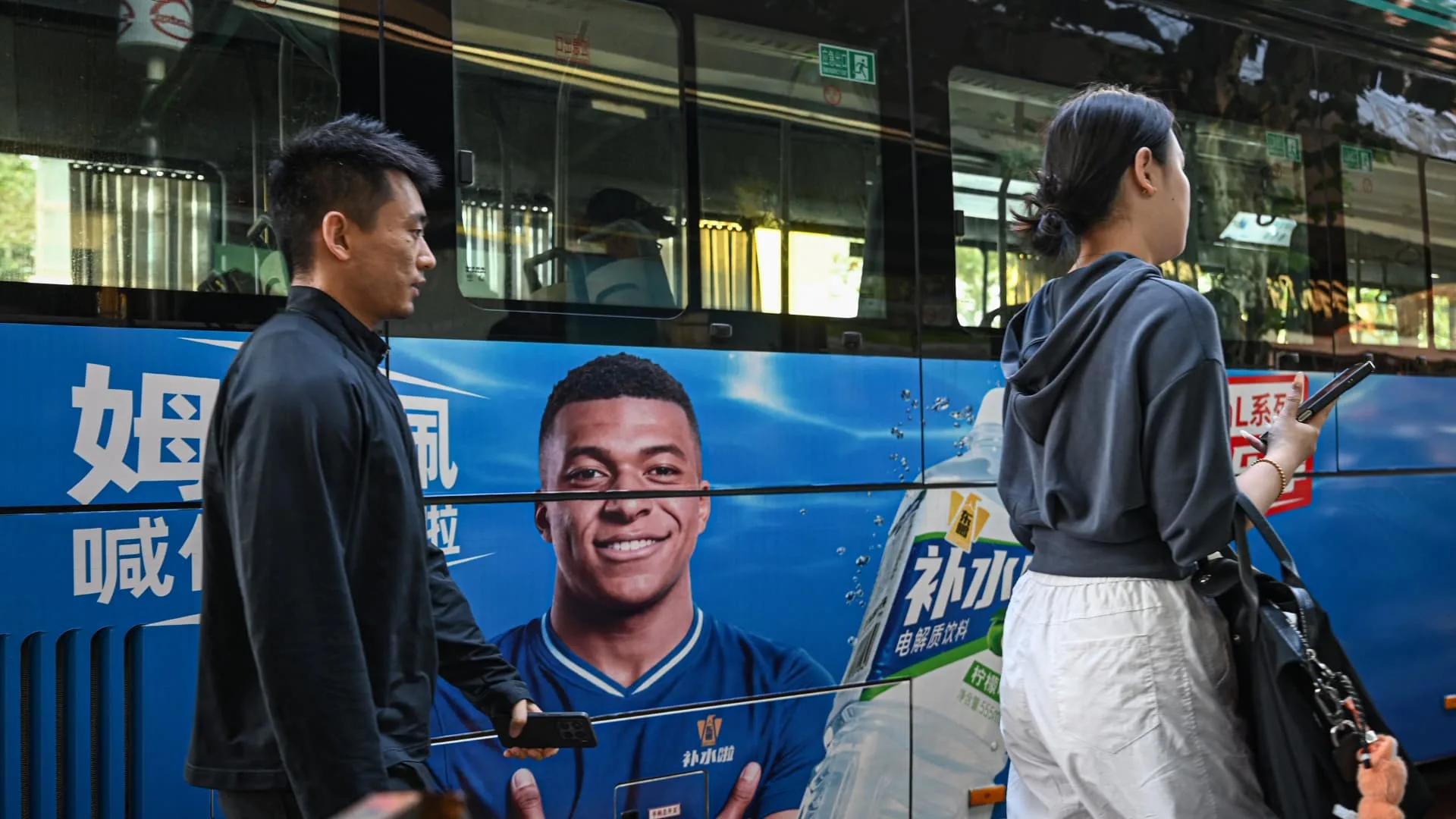
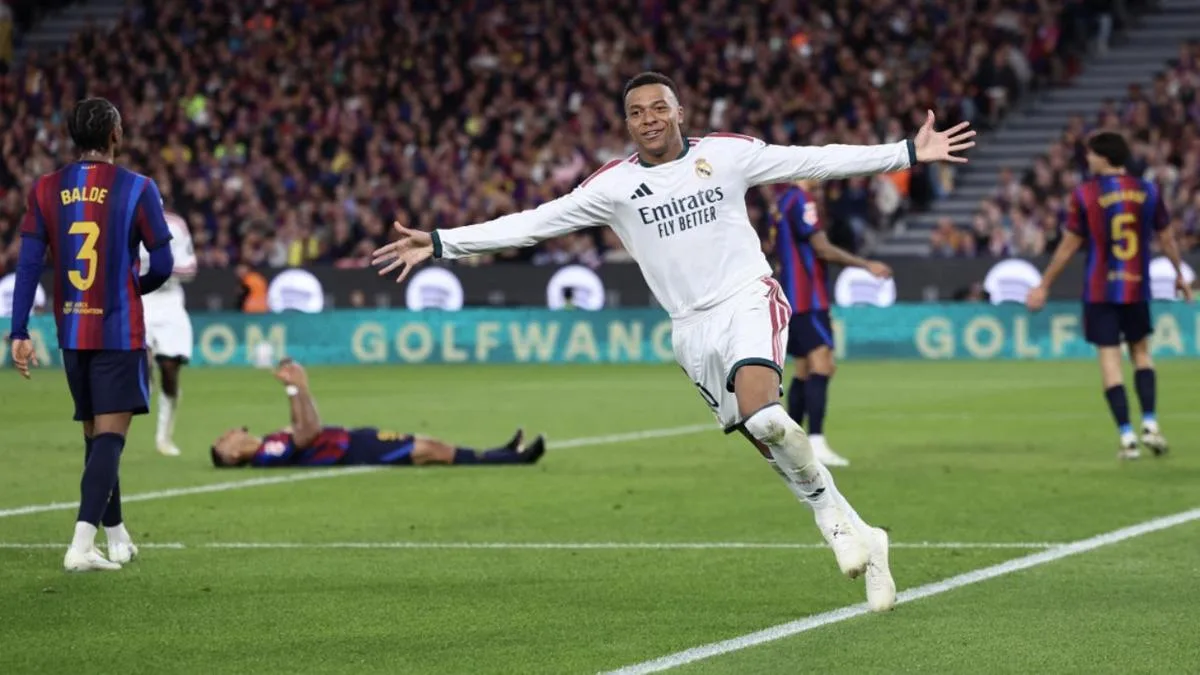
Kylian Mbappé has had to bear the most expensive commercial consequences of his career after a clip of his interview on the French program The Bridge sparked public anger in China. In the widely circulated recording, the Real Madrid forward described a meme of his face superimposed onto a photo of Mao Zedong as a joke about "a man I thought was the Chinese dictator". The remark had far-reaching fallout: three Chinese brands terminated contracts, La Liga broadcasts were suspended, and his social media accounts were silenced.
Beverage company Dongpeng Beverage — which only in April launched Mbappé as brand ambassador for its Bushuila electrolyte drink — was the first to announce it was ending the partnership. The dairy giant Mengniu and cheese maker Milkground followed. According to a report by the state news portal China.org.cn, all three confirmed the contract terminations officially. On and Dior were also reported to have pulled promotional material featuring Mbappé in China, though no global termination statement has been issued.
Pressure did not come only from corporations. CCTV, the state broadcaster, suspended broadcasts of La Liga and matches involving Mbappé, while also pulling advertisements featuring his face. Mbappé's accounts on Weibo and Xiaohongshu — each with about one million followers — were restricted. As of 28 October, there was no official confirmation regarding the restoration of the broadcasts or the accounts.
Mbappé issued an apology in Mandarin, French, and English via his X account on 27 October. He acknowledged that his remarks were unwise and hurt many Chinese communities around the world. "I deeply respect the Chinese people and their history, and I am truly sorry," he wrote. La Liga also released an official statement expressing deep regret over the impact of the remarks, while stressing that Mbappé's personal views do not represent the league's position.
"We will listen to his words, but we will watch his actions more closely," said an unnamed representative of China Media Group, urging Mbappé, Real Madrid, and La Liga to learn from the incident.
Harsh criticism also came from People's Daily through its online commentary platform, Renmin Ruiping. The outlet argued that celebrities who cross public boundaries can become a liability for brands, and stressed that profiting from the Chinese market while offending the history and culture it holds dear will not be tolerated. Chinese Foreign Ministry spokesperson Guo Jiakun said the ministry was aware of the reports and added that "words and actions that hurt the feelings of the Chinese people will naturally meet with the joint opposition of all sectors of Chinese society."
For Indonesia, the incident serves as a mirror for the national sports and entertainment industry, which is increasingly aggressively targeting the East Asian market. A number of Indonesian footballers and celebrities have commercial contracts with Chinese brands, while domestic leagues and federations face similar challenges in managing public narratives amid geopolitical sensitivities. The main lesson is clear: a contract's value is determined not only by performance on the field but also by the ability to read the political and cultural context of the country where the brand operates.
The Mbappé case adds to a long list of global athletes who have stumbled over local political sentiment — from NBA players to K-pop stars. But the scale of China's reaction this time was swift and coordinated, involving state media, the foreign ministry, and corporations within hours. The question now is whether Mbappé's apology is enough to restore trust in the Chinese market, or whether this will become a new precedent for global brands in assessing the risk of foreign celebrity endorsements. What is clear is that the era in which sports stars could speak freely without commercial consequences appears to be over.