Baihakki Khaizan Speaks Out on the Tackle That Broke Boaz Solossa's Leg: I Heard a 'Crack'
Baca dalam 60 detik
- Baihakki Khaizan menegaskan tekelnya terhadap Boaz Solossa di final Piala AFF 2004 murni kecelakaan, bukan kesengajaan.
- Cedera Boaz di leg pertama menjadi titik balik yang membuat Indonesia kehilangan daya gedor dan takluk 2-5 dari Singapura.
- Klarifikasi ini menutup luka lama sekaligus mengingatkan betapa rapuhnya perlindungan pemain muda di sepak bola Asia Tenggara.
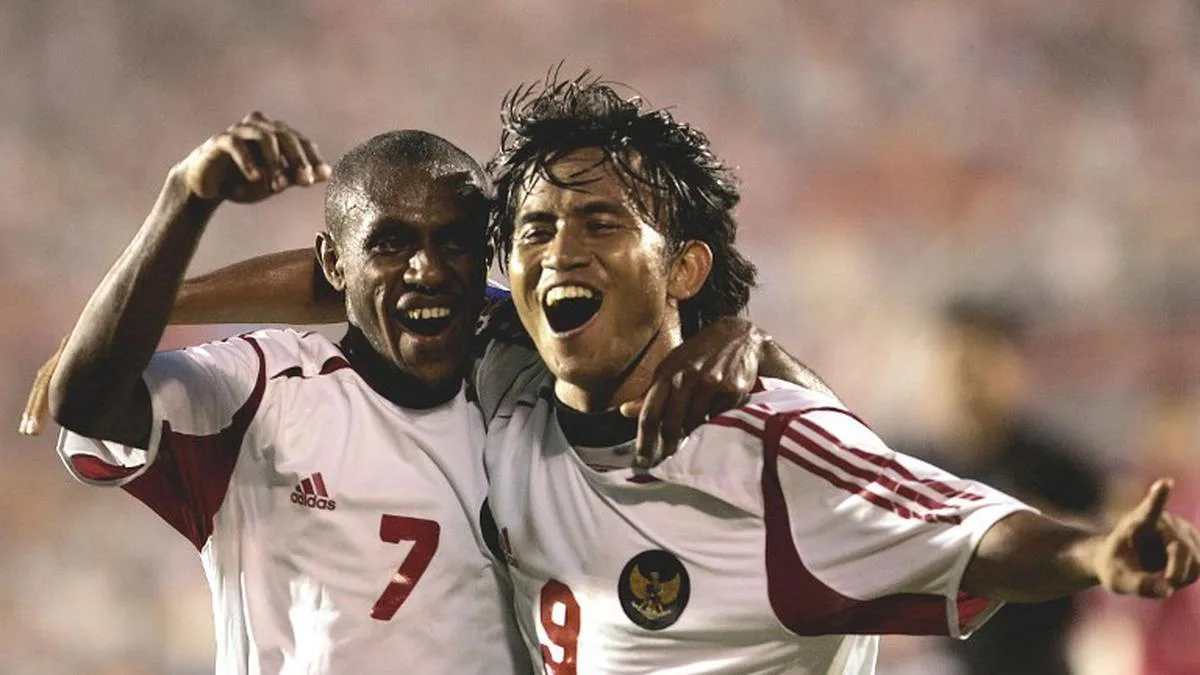
Singapore's right-back at the time, Baihakki Khaizan, has finally spoken out about the tackle that broke Boaz Solossa's ankle in the first leg of the 2004 AFF Cup final at Gelora Bung Karno Main Stadium, Jakarta, on 8 January 2005. More than two decades later, the incident is still remembered as one of the most painful moments in the history of the Indonesia national team—and Baihakki chose to clarify rather than let the story keep circulating without context.
In an interview with Sport77, Baihakki said he does not mind his name continuing to be cited as the party responsible for Boaz's severe injury. For him, clarification is a way to set the record straight that the incident happened within the dynamics of a match, not out of malice. “It's been 22 years, but it's no problem. I actually want to give an explanation,” he said.
According to Baihakki, his team at the time paid extra attention to Boaz, who was just 17 years old. Boaz's performances throughout the tournament put him on the list of players who had to be closely watched. “We all knew what he could do. He was on the board as a player to watch,” Baihakki said. He also recalled his position at the time as a right-back facing Boaz directly on the left side, while he himself was only 19.
Baihakki described the moments of the tackle without any intent to hurt. He saw the ball within reach, reacted instinctively, then heard a “crack” that made him realise something was wrong. “I heard like I stepped on something. That's football, I never intended to injure anyone,” he stressed. He also said he had met Boaz and shaken hands, and that there is no grudge between them.
“We've shaken hands, it's all normal. There's no personal issue,” Baihakki said, as quoted by Sport77.
For Indonesia, Boaz's injury was not merely the loss of one player. Peter Withe's team lost a striker who was on fire, and the Garuda front line lost its firepower. The 2-5 defeat to Singapore in the two-legged final was a heavy blow, especially since the first leg was played in front of their own supporters. Boaz later became a living legend of Persipura Jayapura and the national team, but the shadow of that injury remains a dark note in his career.
Baihakki's clarification also touches on a broader issue: the protection of young players in Southeast Asian football. Boaz is just one of many young talents who had to absorb hard tackles before their bodies were fully mature. To this day, referees and federations in the region still face criticism over the consistency of punishments for dangerous fouls. The 2005 incident is a reminder that one tackle can change the course of a career, even the history of a team.
Two decades on, Baihakki has retired and Boaz is still remembered as one of Indonesia's best forwards. Both chose to make peace with the past. Yet the question that remains is not about who was at fault, but how Indonesian and Southeast Asian football can ensure the next generation of Boaz does not have to lose its best moments to tackles that should have been preventable.