After Bombing at the Box Office, Andrew Garfield's Robin Hood Film Jumps to Streaming
Baca dalam 60 detik
- The Uprising, film sejarah yang dipasarkan ulang sebagai kisah Robin Hood, akan tayang di Peacock pada 6 November setelah hanya meraup 8,2 juta dolar AS.
- Keputusan melewati jalur video on demand dan langsung ke platform streaming mencerminkan strategi distribusi yang semakin agresif di tengah tekanan box office.
- Perbedaan narasi pemasaran antara distributor AS dan Inggris memicu kritik tentang inkonsistensi identitas film yang berimbas pada minimnya minat penonton.
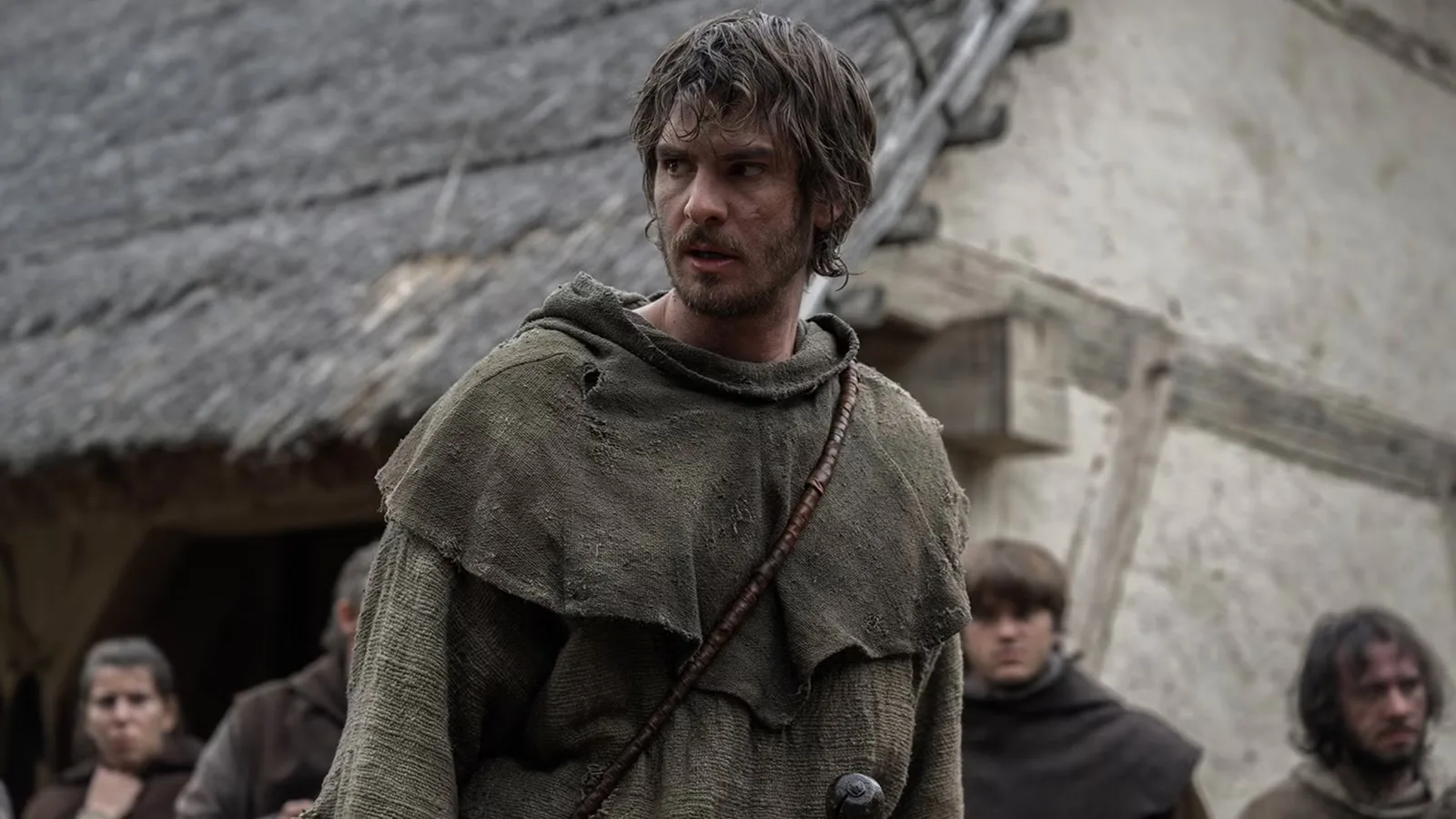
The Uprising, which was marketed in the United States under the added title The Rise of Robin Hood, is confirmed to stream exclusively on Peacock starting 6 November 2026. The decision follows the Paul Greengrass film's global box office haul of just USD 8.2 million, far below its reported USD 20 million production budget. The move signals that commercial failure on the big screen now increasingly leads to a swift migration to streaming services, even skipping the digital rental stage that usually serves as a bridge.
What makes this case stand out is not merely the dismal revenue figure but the marketing strategy that changed drastically at the last minute. Initially, Focus Features, the distributor for the US market, positioned The Uprising as a serious historical drama about the 1381 Peasants' Revolt in England. However, a few weeks before its premiere on 10 September 2026, it suddenly added the subtitle The Rise of Robin Hood and released a new trailer showing Andrew Garfield as the lead character with a bow and the green garb typical of the Robin Hood legend. The synopsis was also altered to emphasize the connection to that legend.
The move drew an immediate contradiction from the UK distributor, Entertainment Film Distributors. In a statement to Metro, they stressed that The Uprising is a historical epic about the 1381 Peasants' Revolt, not Robin Hood. They also stated that promotional material linking the film to Robin Hood on social media did not come from them and was not approved for the UK market. The differing narratives across regions drew criticism from a number of historians and cinephiles, who argued that the Robin Hood legend actually developed before the events of 1381, so the claim that the revolt inspired the Robin Hood character is considered historically inaccurate.
In terms of quality, The Uprising received a divided response. Critics praised the cast's performances, the relevant social critique, and the neatly staged action sequences. However, the story execution was judged messy and the flat visual aesthetic was noted as a negative. The 57% critics' score and 65% audience score on Rotten Tomatoes capture a film that is not an outright artistic failure but also not strong enough to draw crowds to theaters. The combination of moderate reviews and a shifting marketing strategy made it hard for the film to find its audience.
The decision to skip the video on demand (VOD) route and go straight to Peacock also drew attention. Typically, films that fail at the box office are still released on digital rental platforms such as Prime Video or Apple TV at around USD 20 per viewing. By skipping that stage, The Uprising forgoes potential additional revenue, but on the other hand it speeds up access for streaming subscribers who may be curious without having to pay extra. The move can be read as an effort to maximize exposure on the NBCUniversal-owned platform, though its effectiveness remains to be tested.
"The Uprising is a historical epic about the 1381 Peasants' Revolt, not Robin Hood. The UK marketing campaign does not reference Robin Hood at all," said Entertainment Film Distributors in a statement quoted by Metro.
For the film industry more broadly, this case shows that the theatrical exclusivity window is narrowing. Films with poor performance are deemed unworthy of spending time on the big screen and are directed straight to streaming platforms to chase at-home viewers. However, such decisions also raise questions about the sustainability of the distribution business model, especially when inconsistent marketing strategies end up worsening a film's image in the eyes of viewers.
In Indonesia, the phenomenon of films that fail at the box office and then quickly appear on streaming services is also becoming common, albeit with varying time gaps. Local and global platforms such as Netflix, Disney+ Hotstar, and Prime Video often become the final destination for films that fall short of audience targets. The main difference lies in the VOD stage, which in Indonesia is still relatively rarely skipped entirely. If this trend continues, more films may go straight to streaming platforms without stopping at theaters or digital rental services, especially in price-sensitive markets.
The remaining question is whether viewers will welcome The Uprising with open arms once it is available on Peacock, or ignore it as happened in theaters. If the streaming response is also weak, this case could become a bitter lesson about how hard it is to rescue a film that has lost momentum from the start. Conversely, if viewership surges, more distributors may dare to take a similar shortcut in the future.