Rp100 Trillion Hack at Binance Shakes Crypto Market, Bitcoin Plunges
Baca dalam 60 detik
- Insiden keamanan di Binance menimbulkan potensi kerugian US$6,3 miliar, memicu aksi jual di pasar aset digital global.
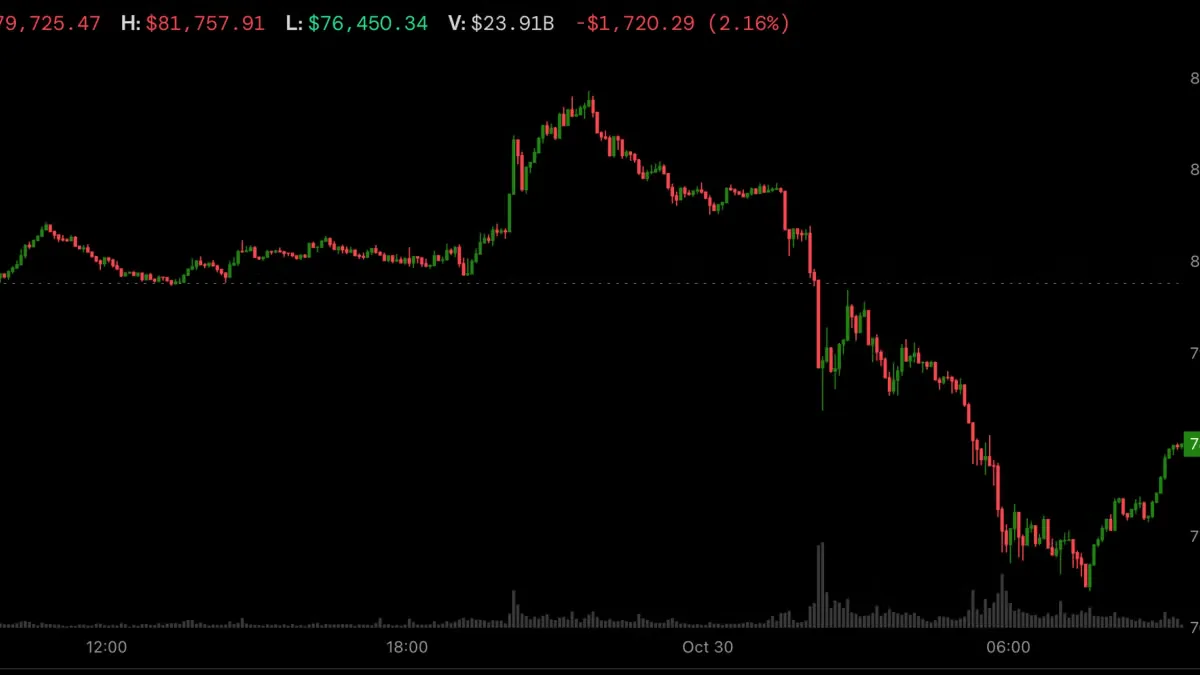
- Harga Bitcoin turun 2,8% ke US$78.489, Ether melemah 3,8%, sementara token BNB merosot 3,5%.
- Otoritas dan pelaku pasar menuntut penguatan standar keamanan siber di bursa kripto untuk mencegah eksodus investor ritel.
Bitcoin's price fell sharply on Friday (30/10) after the world's largest crypto exchange, Binance, disclosed a security incident with an estimated impact of US$6.3 billion—making it the largest breach in the history of the digital asset industry. The leading cryptocurrency weakened 2.8% to US$78,489.73, triggering fresh concerns over the vulnerability of trading platforms' security systems.
Ether, the crypto with the second-largest market capitalization, also came under pressure with a 3.8% decline to US$2,242.90. Binance's native token, BNB, did not escape the sell-off either and fell 3.5% to US$717.4. Yet amid the wave of selling, Hyperliquid's HYPE token instead surged 17% to US$93.16—an anomaly indicating that some market participants are beginning to shift funds to alternatives.
Binance said it had frozen around US$3 billion in crypto assets linked to the incident and committed to covering all customer losses. A preliminary investigation indicated that the incident began with a compromised laptop belonging to a DevOps engineer, allowing attackers to access service containers and submit unauthorized withdrawal transactions. "We are upgrading withdrawal services and related address controls," said Yi He, a co-founder of Binance, while stressing that deposit services remained operating normally. The exchange targets restoring withdrawal services within the next 48 hours.
The event renews long-standing concerns about security gaps in the crypto industry, which has been rocked several times by major breaches. In 2025, the Bybit exchange suffered a hack worth around US$1.5 billion, while Bitget lost more than US$350 million in digital assets to cyber theft. The series of incidents underscores that even as institutional adoption grows, the security infrastructure of many platforms still lags behind the scale of the assets they manage.
For Indonesia, this shock has direct implications given the growing number of domestic retail investors placing funds on global crypto exchanges. The domestic regulator, the Commodity Futures Trading Regulatory Agency (Bappebti), has required crypto asset traders to meet certain security standards, but the Binance incident shows that even the largest players can be targeted. The Financial Services Authority (OJK), which is set to take over crypto oversight in 2025, is expected to accelerate the drafting of a cyber risk mitigation framework, including mandatory periodic audits and customer fund protection.
Market observers assess that this price reaction is relatively measured compared with the panic during previous hacks, signaling that the market is becoming accustomed to operational risk in the crypto sector. However, if Binance fails to restore trust quickly—especially regarding transparency in the investigation and compensation—an exodus of liquidity to other platforms or to traditional assets could deepen the correction. The question now: will the industry learn from this recurring pattern and make cybersecurity an investment priority, not merely a compliance cost?