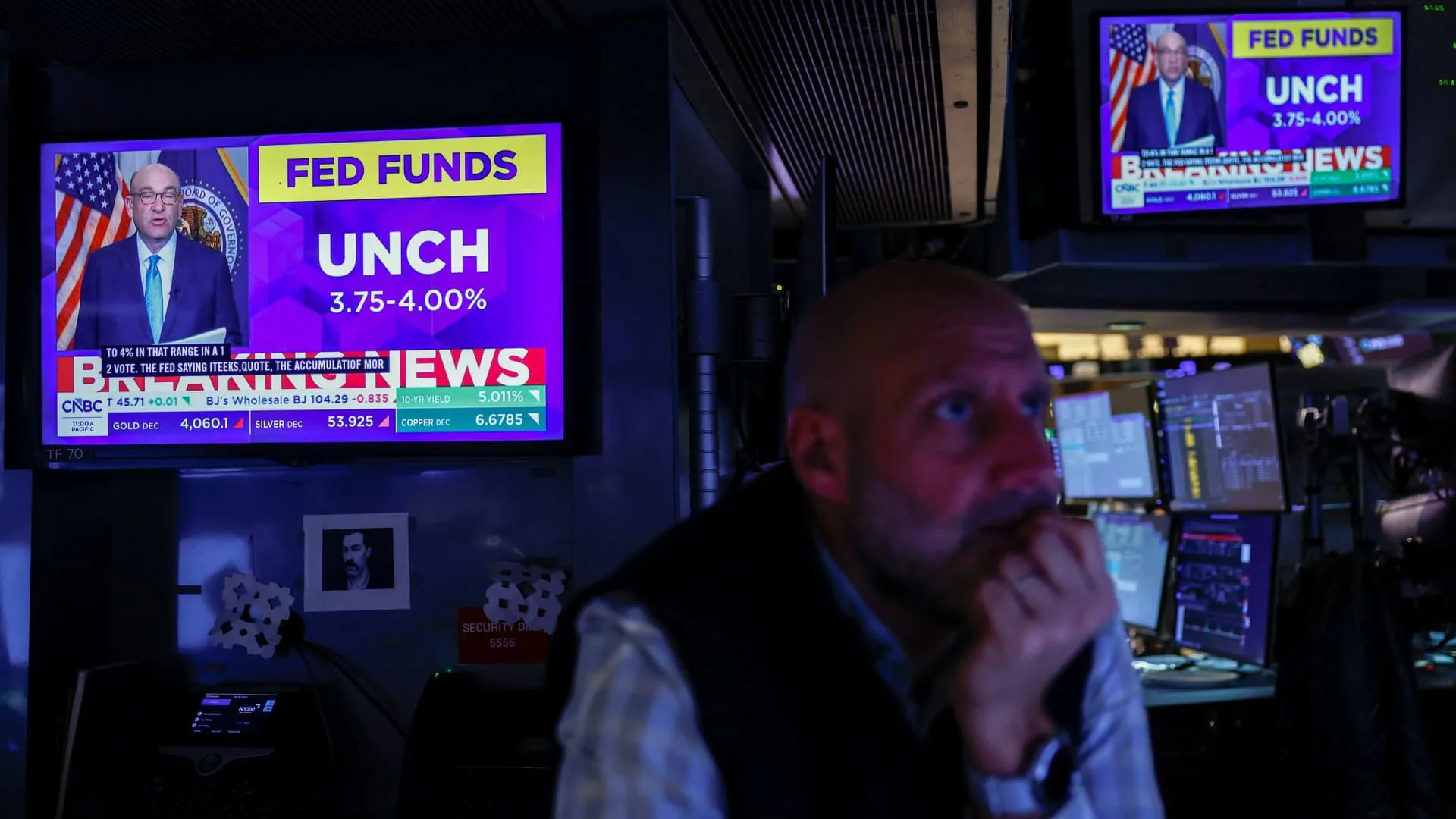
Warsh Deliberately Leaves Wall Street Guessing as Fed Rate Signals Grow Murkier
Baca dalam 60 detik
- The Fed memilih menahan suku bunga pada rapat Oktober, tetapi Ketua Kevin Warsh menolak mengunci arah kebijakan berikutnya.
- Warsh menilai kondisi keuangan belum cukup ketat dan menegaskan target inflasi tetap 2%, membuka peluang kenaikan pada Desember.
- Perubahan jadwal voting FOMC dan komunikasi yang sengaja dibuat kabur berpotensi mengikis transparansi bank sentral.
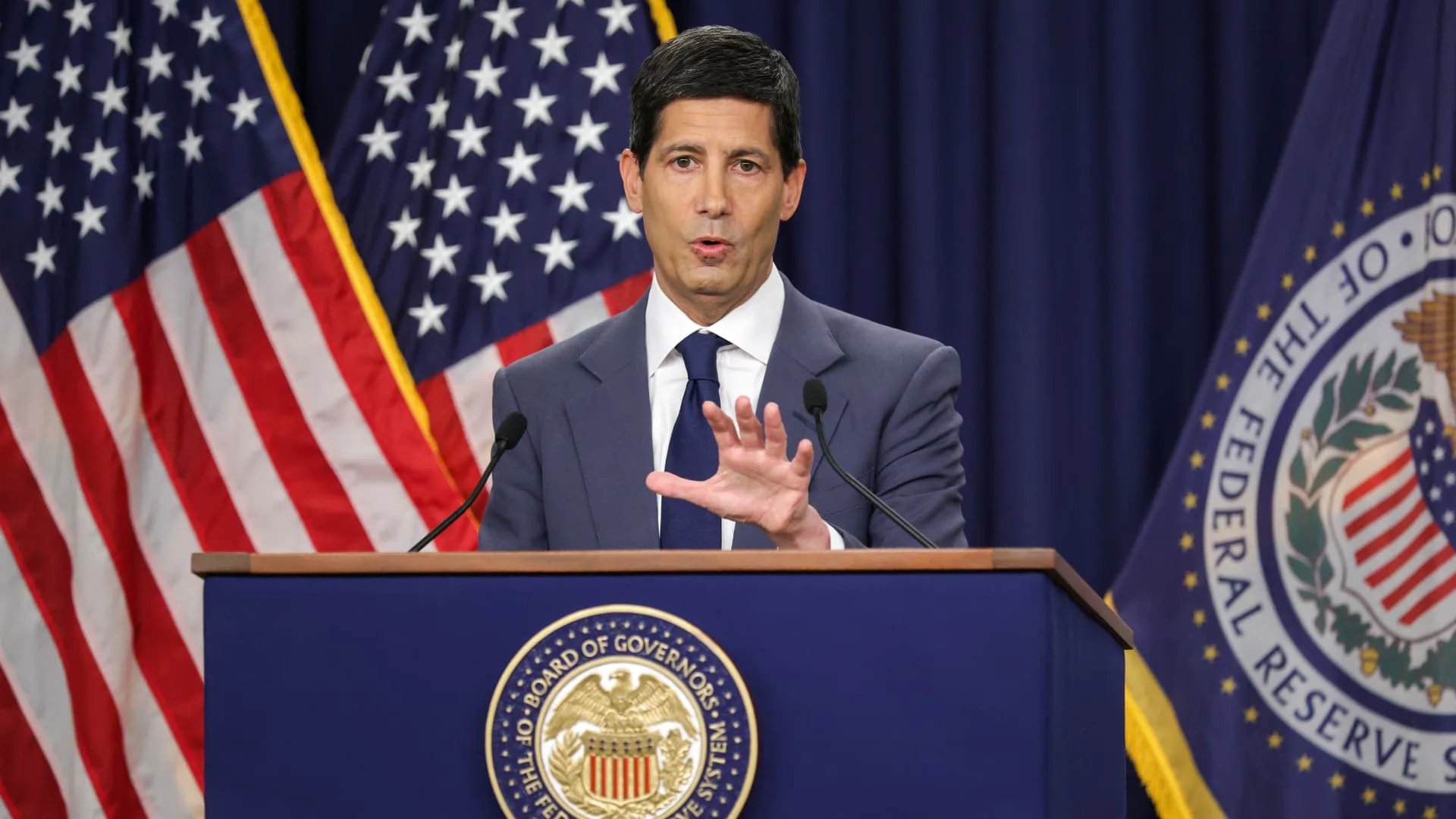
Federal Reserve Chair Kevin Warsh is letting global financial markets guess the direction of the benchmark interest rate after the October meeting decided to hold the Federal Funds Rate, while at the same time signaling that the option to raise rates remains wide open. The stance is the sharpest signal yet that the United States central bank is no longer committed to a previously set policy path.
Unlike his initial appearance in the chair, Warsh now comes across as more confident. He declined to confirm that two senior officials deliberately lowered market expectations ahead of the meeting, even though the market took the message that the Fed would not raise interest rates this week. According to Fed insiders, vice chairs usually align their communication with the chair, so their statements rarely appear without approval.
The most closely watched remark was Warsh's statement that financial conditions overall are indeed tighter, but he was reluctant to call them truly tight. The sentence was read as the intellectual basis for raising interest rates in December if inflation remains stubborn. He also stressed that the Fed's inflation target remains 2%, not the two-point-something percent figure the market often assumes.
Warsh's move to overhaul the meeting rhythm is a new instrument for managing expectations. By reducing the frequency of votes, comments from regional officials become less relevant because the market will not tie them to the nearest interest rate decision. As a result, Fed communication, known as Fedspeak, loses part of its weight. Warsh retains the right to call an emergency meeting if economic conditions demand a change in interest rates.
"If we already had a firm conclusion on the direction of monetary policy, we would announce it with great fanfare today," Warsh said, as paraphrased from his remarks at the press conference.
However, the increasingly closed approach has drawn criticism. Robert Sockin, US chief economist at asset manager PGIM, argued that Warsh did not sufficiently explain why a hot inflation backdrop does not justify a rate hike. According to Sockin, holding rates is a policy mistake and a Fed that moves slowly will instead be forced to raise interest rates higher, which mechanically increases the risk of recession.
For Indonesia, the direction of Fed policy is not merely global economic news. The rupiah exchange rate, government bond yields, and foreign capital flows are highly sensitive to US interest rate expectations. When Warsh deliberately makes the signal vague, domestic market players tend to hold back, raise risk premiums, and widen emerging-market bond spreads. Bank Indonesia also faces a dilemma: maintaining the appeal of domestic yields without suppressing credit growth.
Going forward, new economic data before the December meeting will be decisive. If productivity rises, Warsh can argue that higher growth does not always mean inflation. Conversely, if inflation stays high, a December rate hike is almost certain. The question is, how long can the market keep guessing the Fed's direction without adequate certainty?