Mid-Century Modern Loses Its Shine: Gen Z Turns to Cottagecore and Chrome
Baca dalam 60 detik
- Gaya mid-century modern yang identik dengan milenial kini dianggap ketinggalan zaman oleh generasi muda, digantikan oleh estetika cottagecore dan sentuhan chrome.
- Harga furnitur vintage ikonik seperti sideboard G Plan melonjak tajam, memicu keluhan bahwa desain ini telah menjadi terlalu elitis.
- Para desainer menilai pergeseran selera ini didorong oleh keinginan menghindari interior seragam dan meningkatnya kesadaran akan dampak lingkungan dari fast furniture.
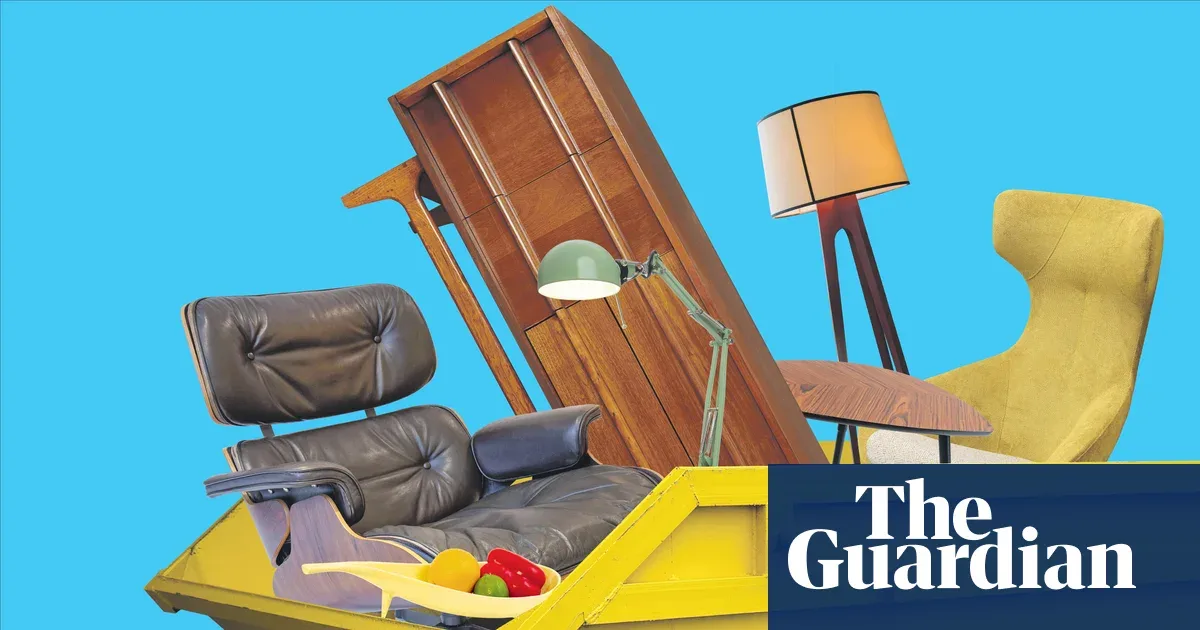
Mid-century modern furniture, which for a decade symbolized the elegance of millennial homes, now faces a major challenge: Gen Z and younger millennials are starting to leave it behind. The style once admired for its clean, functional lines is now seen as too common, even tending toward boring, by some consumers who crave a more personal and eccentric look.
Laura Budds, a vintage furniture dealer in Norfolk, England, acknowledges that the style's popularity has peaked. Though reluctant to call it “cringe,” she sees the trend starting to decline. Budds, who has long been active in the modern antiques market, has had to diversify her stock to follow the tastes of a younger generation. According to her, Gen Z is less tied to a particular era or designer; they buy what they like, including older antiques or whimsical elements such as taxidermy.
The term “mid-century modern” was first popularized by Cara Greenberg's 1984 book, referring to design from the 1940s to the 1970s that emphasized simplicity and function. But Greenberg herself believes the term has now lost its meaning because it is used carelessly, from museum pieces to cheap replicas made in China. She still defends the best work of that era, such as the Eames chair and Eero Saarinen's Tulip chair, as the most stylish innovations America has ever produced. Yet she acknowledges that plush sofas are not this style's specialty, since it tends to be rigid and designed for formal conversation rather than lounging.
Keith Stephenson, founder of the design company Mini Moderns, stresses that the original mid-century philosophy was accessibility: good design at an affordable price for as many people as possible. But soaring vintage market prices have changed that image. Natasha Landers, an interior designer in East London, notes that her bookshelf, bought for £30, is now worth far more, while her £50 coffee table could sell for £200. Still, she refuses to accept that a popular design automatically becomes bad. “Good design doesn't become bad just because more people enjoy it,” she said, pointing out that uniformity in homes is the real problem.
That uniformity is now the main trigger for younger generations' reluctance. Sheree Millington, a copywriter in Margate, and Lucy Hayes, a writer and director in East London, agree that their ideal home is a mix of styles and eras, not a time capsule from one particular decade. Millington sees a revival of classic English styles such as cottagecore and townhouse with a mix of patterns and mismatched materials. She has also noticed the return of chrome, a quintessential 1990s material that had faded.
Carina Harford, an interior designer from West London, says the craze for buying a full set of mid-century furniture is over. She criticizes the imitation furniture that has appeared over the past five years as damaging the essence of the design and harming the environment. “Stop buying new things if you don't need to,” she said. Harford herself collects secondhand items from various eras, such as a folding Victorian card table for £110 and a lamp from a closed billiard hall for £40, which she mixes eclectically.
“There's a bit of a snobbish attitude if we decide something is no longer cool just because more people can enjoy it. The problem is when everyone's home looks the same.” — Natasha Landers, interior designer
This phenomenon is not merely about aesthetic taste. Behind it lies a shift in consumption values: from the desire to own iconic items to the desire to show a unique identity. Social media such as Pinterest and Instagram have played a big role in spreading the millennial style massively, but they have also accelerated fatigue. When large stores such as Marks & Spencer, Dunelm, and even H&M and Temu flood the market with mid-century replicas, the style loses its aura of exclusivity. Young consumers are now more interested in genuine antiques from other eras, which give a more personal and authentic impression.
For the global furniture market, this trend signals the need for diversification. Vintage dealers such as Budds have shifted focus to items from the Victorian era or a mix of styles. Meanwhile, designers and consumers in Indonesia who have long admired the mid-century modern aesthetic—especially local works in teak—may need to pay attention to this shift. Domestically, the style remains popular in cafes and hotels, but household demand could be affected if the “anti-uniformity” wave spreads. The question is, will mid-century modern truly die out, or merely evolve into part of a broader eclecticism?