Ghost of Yōtei Sells Well, but 24 Sucker Punch Staff Laid Off: The Paradox of the AAA Game Industry
Baca dalam 60 detik
- Sucker Punch Productions memangkas sekitar 24 staf—sekitar 10-12% dari total karyawan—meski Ghost of Yōtei mencatat penjualan 5,4 juta kopi dan pendapatan lebih dari US$400 juta.
- Keputusan ini diambil setelah studio meninjau kebutuhan tim untuk proyek berikutnya, mencerminkan tekanan efisiensi yang melanda pengembang gim kelas atas di bawah naungan PlayStation.
- Masa depan proyek baru Sucker Punch masih gelap, sementara gelombang PHK di industri gim global berpotensi memengaruhi ekosistem pengembang lokal dan talenta Indonesia yang terlibat dalam produksi internasional.
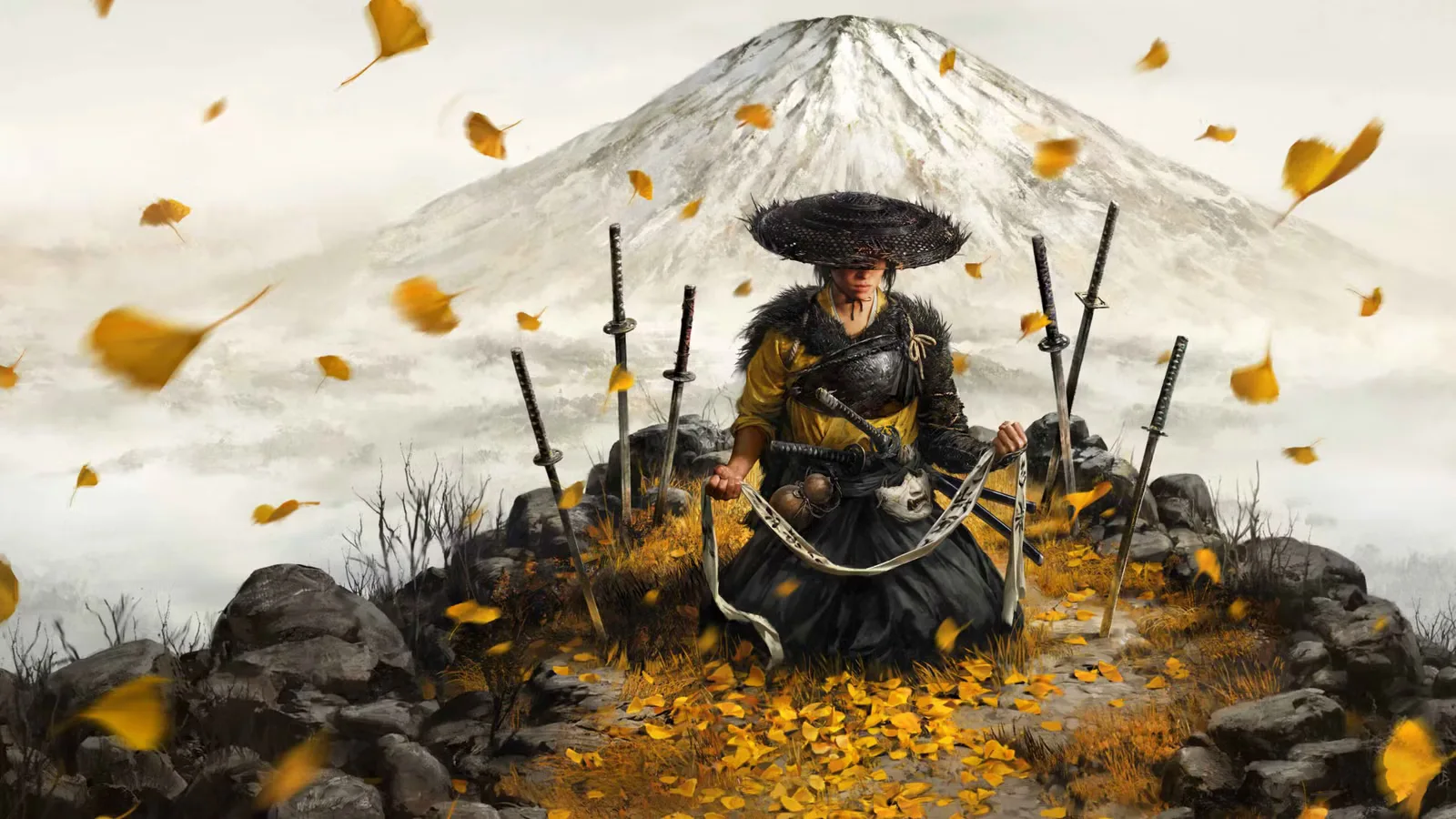
The studio behind Ghost of Tsushima and Ghost of Yōtei, Sucker Punch Productions, has officially cut around 24 positions—equivalent to 10 to 12 percent of a total workforce estimated at 200-230 people. The news first surfaced through an Aftermath report citing an internal email from studio management, and it is a particular irony given that their latest game was a success both commercially and critically.
In the email seen by Aftermath, Sucker Punch leadership said the decision was made after observing market challenges and evaluating the team's needs for its next project. “We did not make this decision lightly,” management wrote, promising to support affected employees through the transition. They also said more detailed information about the studio's direction would come next week.
What has drawn attention to the move is Ghost of Yōtei's track record. Released last fall, the game earned a Metascore of 86 on Metacritic and was among the contenders for 2025 year-end awards. At the DICE Awards in February, the game took home three trophies: Adventure Game of the Year, Outstanding Achievement in Character, and Outstanding Achievement in Original Music Composition.
The contrast between sales performance and layoffs is nothing new in the global game industry. The AAA business model, which demands high production costs, long development cycles, and expectations of relentless growth, often forces studios to balance the books even when their products sell. Sony, as Sucker Punch's parent under PlayStation Studios, appears to be applying the same efficiency logic seen at many other major publishers: trimming the team while preparing the next project.
So far, there has been no official word on what that “next project” is. Since 2020, Sucker Punch has indeed only released the Ghost series and its multiplayer mode. Previously, the studio was known for the Sly Cooper and Infamous franchises. The acclaimed Ghost of Yōtei expansion was their most recent release, making questions about the studio's creative direction all the more relevant.
“After closely examining market challenges and reviewing our team's needs for our next project, we decided to reduce staff. We know this is hard, and we want to make sure this decision was not made carelessly,” said a statement from Sucker Punch management in the internal email cited by Aftermath.
For Indonesia's game industry ecosystem, the dynamics at Sucker Punch are a bitter mirror and a lesson at once. Many creative talents from the country are involved in the global production chain, whether as art outsourcers, support developers, or members of the modding community. When major studios cut costs, the domino effect can reach working partners in Southeast Asia, especially in short-term collaboration projects. On the other hand, this phenomenon confirms that the success of a single title does not necessarily guarantee job stability in this highly volatile sector.
Going forward, the public waits to see whether Sucker Punch will announce a new project soon or instead widen the gap of uncertainty. The lingering question: if a game that wins awards and rakes in hundreds of millions of dollars is not spared from layoffs, what standard of success does the industry actually demand from its developers?