Ripple Secures US Federal Trust Bank Approval, RLUSD Stablecoin Enters Dual Oversight Regime
Baca dalam 60 detik
- OCC resmi memberikan persetujuan final kepada Ripple National Trust Bank, menjadikan Ripple salah satu perusahaan kripto pertama yang mengantongi lisensi perbankan federal di AS.
- Bank trust baru ini akan mengelola cadangan RLUSD dan menyediakan jasa kustodi aset digital, memperluas fondasi institusional Ripple di segmen pembayaran dan pasar modal.
- Langkah ini mempertegas tren konvergensi kripto dan perbankan tradisional, sekaligus menjadi preseden bagi kerangka stablecoin nasional di bawah GENIUS Act.

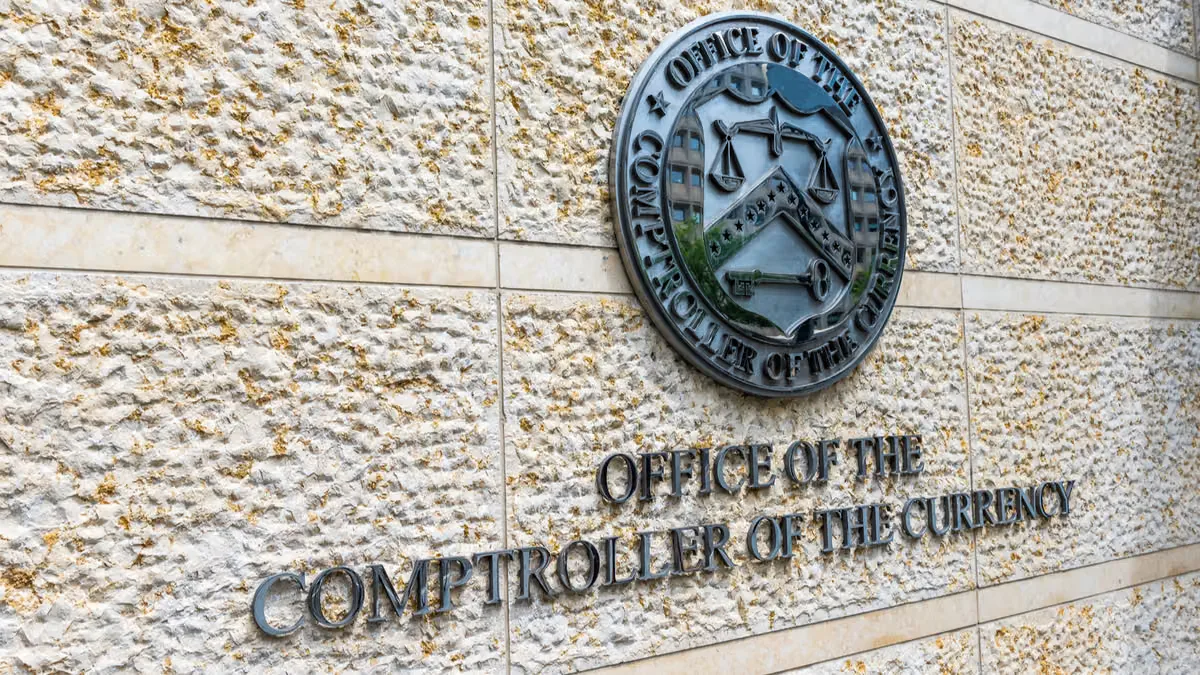
Ripple has officially put its name on the map of American banking. The Office of the Comptroller of the Currency (OCC) granted final approval to Ripple National Trust Bank (RNTB), a trust banking unit that will operate under federal oversight. The news was announced directly by Ripple CEO Brad Garlinghouse via his X account on Monday night local time, marking a new chapter for one of the largest players in the digital asset industry.
The approval was not a quick affair. Ripple filed its trust bank license application in July 2025, then received conditional approval from the OCC in December of the same year. Only this week did the regulator give the full green light. For Ripple, this validates a long-term strategy that has pushed for integrating crypto products with conventional financial infrastructure. For the industry, the OCC's move signals that digital assets are increasingly being drawn into the regulated financial system, rather than operating on the periphery.
In his official statement, Garlinghouse stressed that collaboration between crypto and banks is not a compromise but an inevitability. He said the national trust bank license strengthens the foundation for RLUSD, Ripple's flagship stablecoin, as well as the institutional products the company is building in payments, custody, and capital markets. "For years we've said crypto and banks work better together. The final approval for Ripple National Trust Bank is that made real," Garlinghouse said, as quoted in a press release.
RNTB's role is quite specific. The trust bank will manage the reserves backing RLUSD's value and act as trustee over those assets. In addition, RNTB will provide regulated custody services for large companies that use crypto for payments, trading, and treasury management. Notably, RLUSD remains issued by Standard Custody & Trust Company, Ripple's New York-licensed unit. That means the stablecoin is now overseen by two layers of regulators: state and federal.
RLUSD first launched in December 2024 and has grown rapidly since. Its market capitalization has reached about US$2.5 billion, placing it among the top 50 stablecoins globally. The stablecoin is used in Ripple's payments business and as collateral on the Ripple Prime platform. On the reserve side, RLUSD is backed by US dollar deposits, government securities, and other cash-equivalent instruments, with BNY as the primary custodian. Ripple also uses XRP to speed up cross-border transactions, making it one of the most liquid digital assets on the market.
Ripple's move does not stand alone. The US government is preparing national stablecoin rules through the GENIUS Act, which will determine how stablecoins are issued, backed, and supervised. Ripple said it will continue coordinating with the OCC, New York regulators, and other authorities as RNTB begins operations. The presence of a federal trust bank gives Ripple stronger bargaining power in regulatory discussions, as well as an example for other crypto companies seeking a similar path.
For the Indonesian market, this development is worth watching. The Financial Services Authority (OJK) and Bank Indonesia are drafting a regulatory framework for crypto assets and stablecoins, including the possible use of stablecoins for cross-border payments. If Ripple's dual-oversight model proves effective, Indonesia could well adopt a similar approach: separating the issuing entity from the custodial entity, with layered supervision. The challenge, however, remains infrastructure readiness and coordination among regulators.
Looking ahead, the big question is how quickly this crypto trust bank model spreads. If RNTB operates smoothly and RLUSD keeps growing, pressure on regulators in various jurisdictions to provide a similar path will increase. Conversely, if supervisory friction emerges, adoption could slow. What is clear is that the OCC approval marks a turning point: crypto is no longer just about technology, but has entered the tightly guarded realm of banking.