Tether Rejects Senate Findings on Iran: We Froze Wallets Before Official Sanctions
Baca dalam 60 detik
- CEO Tether Paulo Ardoino menepis laporan Senat yang menuduh perusahaannya menjadi penopang jaringan keuangan bayangan Iran.
- Tether mengklaim rata-rata membekukan dompet mencurigakan empat minggu sebelum OFAC dan NBCTF menerbitkan sanksi resmi.
- Investigasi Senator Blumenthal berpotensi meningkat jika Demokrat kembali menguasai Senat, menambah tekanan politik pada stablecoin.
Paulo Ardoino, CEO of Tether, publicly challenged the findings of the United States Senate Permanent Subcommittee on Investigations, which accused his company of being a "significant financial lifeline" for Iran's shadow banking network. In a statement released Monday local time, Ardoino asserted that the report led by Senator Richard Blumenthal ignored the company's track record in enforcing sanctions long before regulators acted.
The Senate report, released last month by Democratic members of the committee, highlighted the period before 2024 when Tether was deemed not to have comprehensively frozen flagged wallets. The document alleged that the absence of a deterrent effect had pushed terrorist organizations such as Hamas to shift from bitcoin to USDT. The allegation reinforced long-standing concerns among Democratic legislators that crypto assets are an instrument for financing illegal activity.
However, Ardoino strongly denied the narrative. In a post on platform X, he presented internal data showing that since 2023, Tether on average froze suspicious addresses about four weeks before the Office of Foreign Assets Control (OFAC) of the US Department of the Treasury and Israel's National Bureau for Counter Terror Financing (NBCTF) issued official sanctions. In fact, he claimed, 99% of the reported wallets were frozen by Tether before being labeled by Chainalysis, a leading blockchain analytics firm.
"Our goal is to drive bad actors out of USDT," Ardoino said in a remote session at the DC Fintech Week event in Washington last Tuesday. He also regretted that the Senate report had circulated to the media before his company had a chance to review its contents. "I think the public needs to hear our side of the story too," he added.
Ardoino acknowledged that efforts to clean up the stablecoin ecosystem are not yet complete. According to him, criminals are now shifting to other methods beyond the control of both the United States and Tether. Nevertheless, he expressed satisfaction with the role the company has played. "I wake up in the morning, look in the mirror, and know that we are doing the right thing," he said.
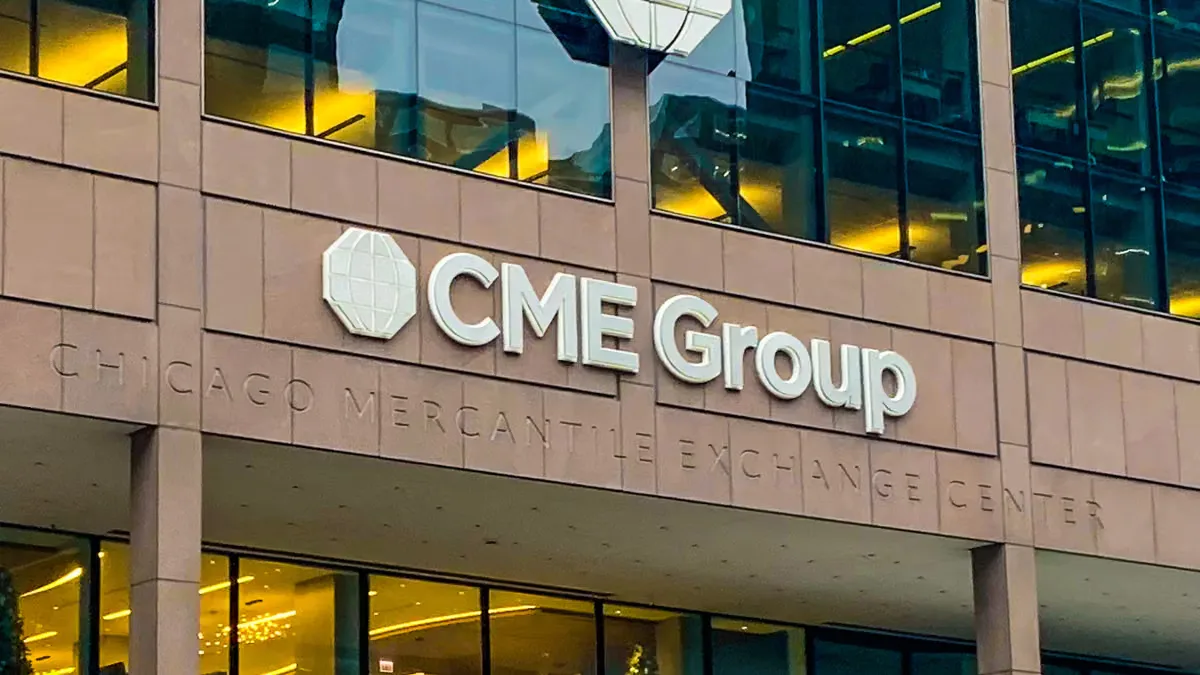
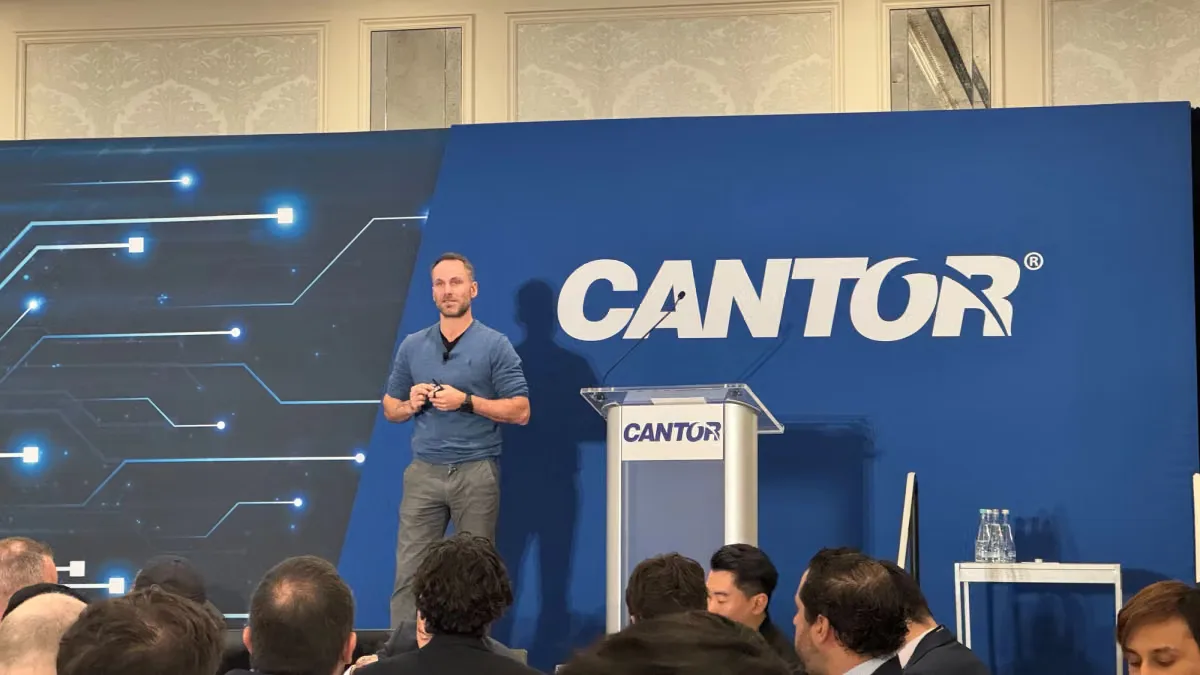
Political pressure on Tether does not stop at the report. Blumenthal is reportedly investigating the relationship between Tether and its US financial partner, Cantor Fitzgerald, which has close ties to the administration of President Donald Trump. Tether also appointed Bo Hines, a former White House crypto adviser, as CEO of its US division last fall. The move has raised speculation about the company's strategy in facing increasingly stringent regulatory oversight.
On the other hand, the Kalshi prediction market shows that the chances of Democrats, including Blumenthal, regaining a Senate majority have been increasing in recent weeks. If that materializes, Blumenthal would have far greater investigative authority over the crypto industry. This situation places Tether in a vulnerable position, given that the USDT stablecoin is the largest in the world with a market capitalization of hundreds of billions of dollars.
For Indonesia, this development deserves attention. As a country with rapidly growing crypto adoption, Indonesia has a direct interest in the stability and credibility of global stablecoins. Crypto asset regulations in the country currently being drafted by OJK and Bappebti need to take into account the dynamics of international oversight, especially regarding compliance with the sanctions regime. If Tether can prove its commitment, market trust in USDT as a cross-border transaction tool could remain intact. However, if the Senate allegations continue, reputational and regulatory risks could spread to domestic exchanges and investors that use stablecoins as a liquidity bridge.
Going forward, the battle between Tether and US policymakers will be a test for the governance model of private stablecoins. Will the company be able to convince legislators that its proactive measures are sufficient, or on the contrary, will political pressure force structural changes in the industry? What is clear is that transparency and accountability will become the new currency in the digital financial ecosystem.