Before the TV Special, Linus and the Great Pumpkin Already Shook Peanuts Comics Since 1959
Baca dalam 60 detik
- Karakter Great Pumpkin pertama kali muncul dalam strip Peanuts pada 26 Oktober 1959, tujuh tahun sebelum adaptasi televisi CBS yang legendaris.
- Charles Schulz membangun keyakinan Linus secara bertahap lewat puluhan strip Oktober, termasuk saat Linus berkampanye untuk pemilihan ketua kelas dan keok karena isu Great Pumpkin.
- Bagi pembaca yang hanya mengenal spesial TV, strip komik menampilkan sisi Linus yang lebih obsesif dan gelap, sekaligus menunjukkan kepiawaian Schulz merangkai lelucon jangka panjang.
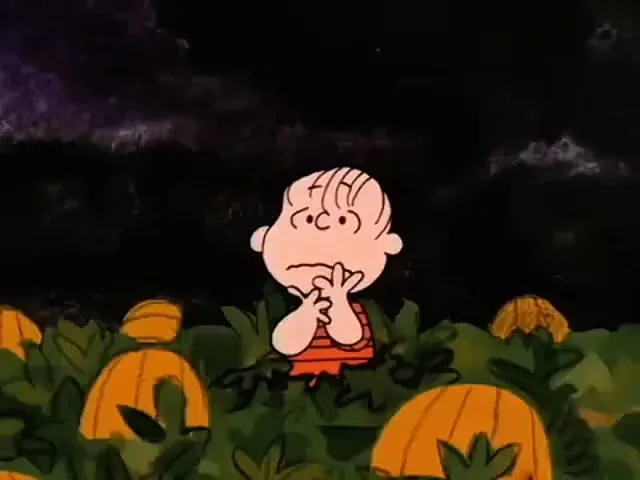
The Great Pumpkin was not a creation born with the TV special It’s the Great Pumpkin, Charlie Brown, which aired on CBS in 1966. The figure Linus awaits had in fact already lived in newspapers through Charles Schulz’s Peanuts strip, specifically since 26 October 1959 — seven years before millions of viewers met him on the screen.
In that first strip, Linus writes a letter to the Great Pumpkin while Lucy looks on in confusion. Linus’s belief is simple: every Halloween, the Great Pumpkin will rise from the most sincere pumpkin patch and hand out toys to children. Lucy and Charlie Brown clearly think he is crazy, but Linus holds firm. This pattern later became Schulz’s annual ritual: toward the end of October, Linus writes another letter, preaches about the coming of the Great Pumpkin, and often spends Halloween night alone in the pumpkin patch.
What sets these early strips apart from the TV special is their intensity. If in the film Linus seems merely to hold an odd belief, in the comic he looks like a person obsessed. Schulz even built more detailed and layered jokes. In 1961, Linus cites the “historical records” of Great Pumpkin sightings: 1959 in Boots Rutman’s patch, Connecticut; 1960 in R.W. Daniels’s patch, Texas. Specificity like this draws laughter while showing that Schulz worked seriously on his little mythology.
The peak of Schulz’s skill came in October 1964. America was entering presidential election season, and Schulz inserted a long story about Linus running for class president. For two weeks, the Peanuts strip was almost entirely about Linus’s campaign: his speeches fired up his friends, and his poll numbers kept rising. He was almost certain to win. But on 21 October 1964, in his final speech, Linus mentioned the Great Pumpkin. At once support collapsed and his candidacy ended.
For readers who know Linus only from the TV special, rereading the October strips in order feels like watching scenes that were cut. There are many other ways Linus tries to convince his friends, and many ways they laugh at him. In one strip, Linus says he has sent 57 Great Pumpkin greeting cards and declares, “It would be an economic disaster for me if I didn’t believe!” The line is the equivalent of a modern meme about financial ruin caused by a belief already planted.
Schulz also once made Lucy waver. In 1962, Lucy even made her own pumpkin patch to lure the Great Pumpkin, hoping for lots of gifts. But Linus judged the patch hypocritical — perhaps because of Lucy’s greed — so Lucy gave up and chose to just sell her pumpkins. This shows that belief in the world of Peanuts is never truly rational; it is always intertwined with the characters’ interests and oddities.
Schulz’s decision to delay the Great Pumpkin’s appearance for two full weeks in 1964, then turn it into Linus’s political suicide weapon, is proof of the patience of a cartoonist skilled at building a joke. He was not only joking about a boy who believes in a giant pumpkin; he was also satirizing how one issue dismissed as trivial can destroy someone’s political career. In the Indonesian context, where campaign seasons are often colored by symbolic issues that suddenly become decisive, this strip remains relevant as a mirror of subtle political satire.
To this day, the Great Pumpkin has become an American pop culture icon, but its narrative roots lie in comic pages that the generation of TV special viewers may not have read much. Will Schulz’s legacy keep being rediscovered by new readers, or will it remain confined to the television format that raised it? The answer may not come from the pumpkin patch, but from how diligently we open old comic archives.