Microsoft Challenges Apple's MagSafe with Magnetic Connect: A Magnetic USB-C Port Open to All
Baca dalam 60 detik
- Microsoft memperkenalkan Magnetic Connect, port pengisian magnetik berbasis USB-C Power Delivery yang tertanam di Surface Laptop Ultra, berbeda dari MagSafe Apple yang proprietary.
- Pendekatan terbuka Magnetic Connect berpotensi menekan biaya aksesori dan mendorong adopsi lintas merek, sementara MagSafe tetap terkunci pada kabel resmi Apple seharga USD49.
- Jika diadopsi luas, standar ini dapat mengubah desain laptop dengan mengosongkan satu port untuk fungsi lain, meski terbatas pada daya maksimal 240W.
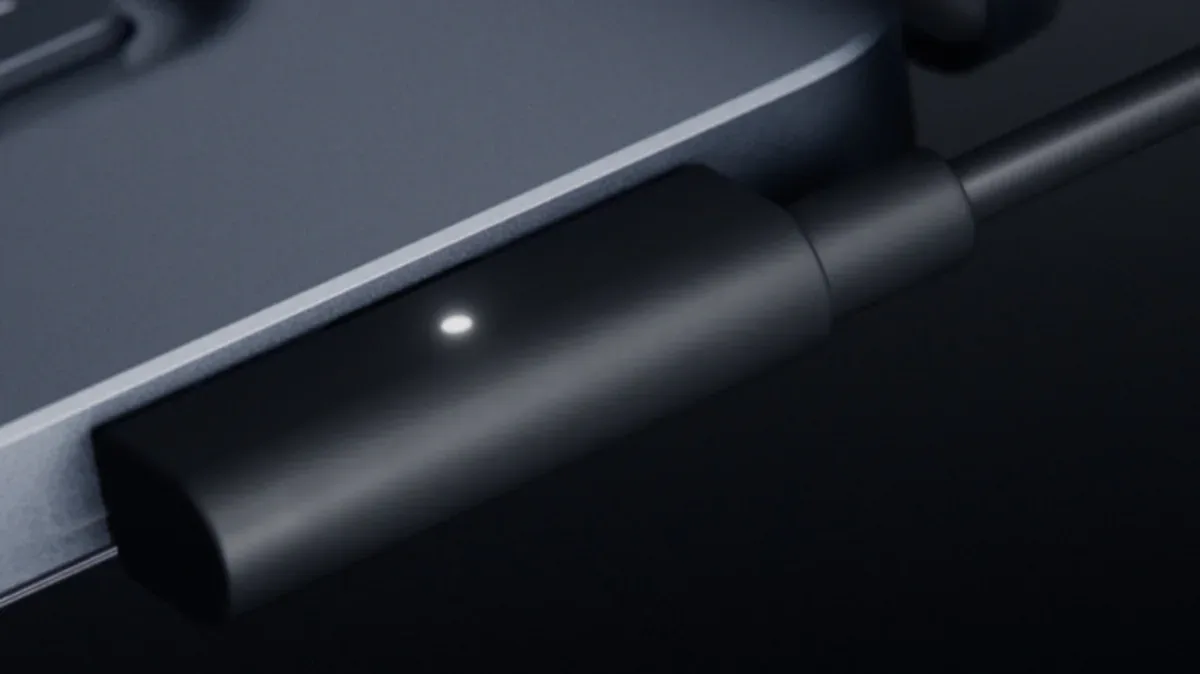
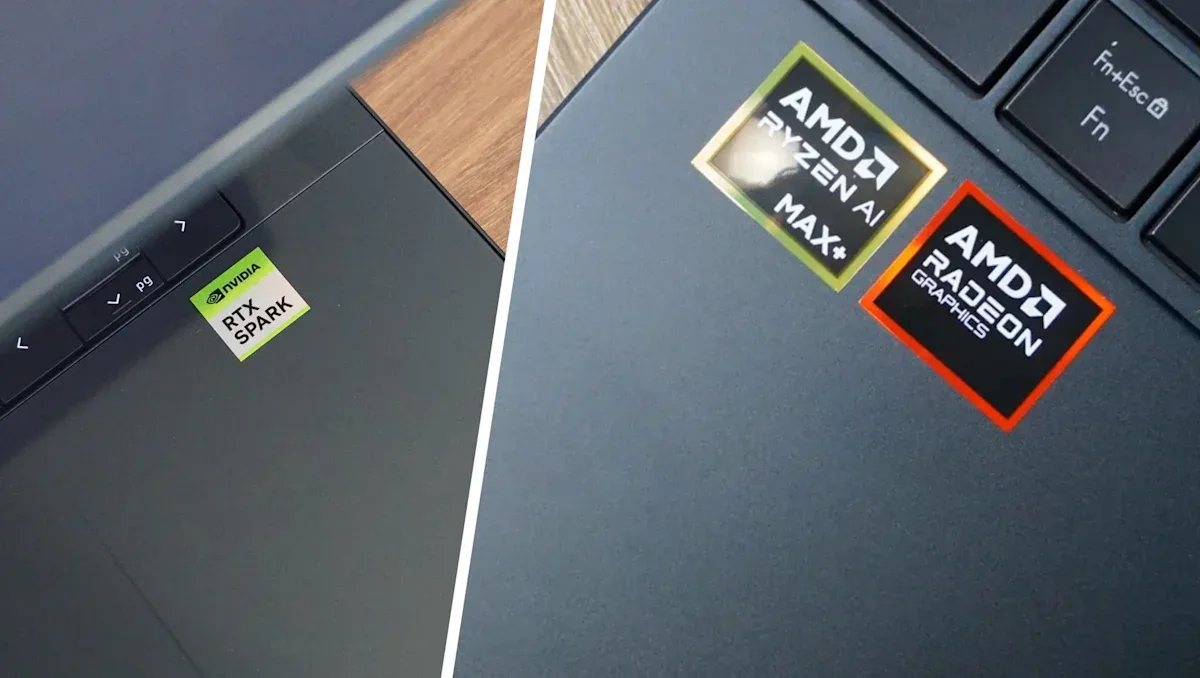
Microsoft has officially introduced Magnetic Connect, a magnetic charging port based on USB-C Power Delivery, on the Surface Laptop Ultra powered by the NVIDIA RTX Spark platform. The move marks a new chapter in the competition over laptop charging standards, and a direct challenge to the dominance of Apple's MagSafe, long a hallmark of the MacBook.
Unlike MagSafe, which is entirely proprietary, Magnetic Connect is designed as a standard USB-C port paired with a special magnetic cable. The cable connector automatically aligns itself with the port and uses a funnel-shaped tip so it slides in smoothly. That means when it is not being used for charging, the port can still be used for an external monitor, keyboard, phone, or other peripherals. The Surface Laptop Ultra itself still offers two additional USB-C ports, HDMI, USB-A, an SD card reader, and a 3.5mm headphone jack.
Openness is the main differentiator. Microsoft says it hopes to lead this ecosystem, though it has not explicitly mentioned licensing to other manufacturers. If that happens, device owners will no longer be locked into one brand's official accessories. By contrast, MagSafe offers only unofficial third-party cables, while certified products are sold by Apple at USD49 per unit. Because Magnetic Connect is essentially a combination of USB-C and magnets, clone products are also expected to work normally.
In a demonstration, Microsoft showed the Surface Laptop Ultra running DaVinci Resolve and Gears of War: E-Day simultaneously without a hitch. But attention was drawn instead to Magnetic Connect—a detail that usually does not get a big stage at a launch event. Microsoft's decision to spotlight this port specifically signals a bigger ambition: to make it an industry standard, not just a supplementary feature.
"We hope to lead the ecosystem," a Microsoft representative said at the event, without detailing plans to license Magnetic Connect to other manufacturers.
For the Indonesian market, this development could affect the premium laptop and content creator segment, which has so far relied on the Apple ecosystem. With Magnetic Connect being open, local and global manufacturers can adopt a similar port without paying royalties. This could accelerate the arrival of cheap magnetic accessories in the domestic market, in line with the USB-C trend already mandated in the European Union. However, adoption in Indonesia will depend heavily on the decisions of major vendors such as ASUS, Lenovo, and Acer, which have so far each had their own charging ports.
Promising as it is, Magnetic Connect is not without limits. The current USB Power Delivery standard tops out at 240W, enough for most laptops, but not enough to supply the power needed by high-end gaming laptops with top-tier CPUs and GPUs. That means dedicated ports and large adapters are still required for those devices. In addition, the success of Magnetic Connect depends heavily on Microsoft's willingness to license the technology widely—something that has not been officially announced.
If Magnetic Connect is accepted by the market, the landscape of laptop design could change: a single port stays usable for power as well as other functions, saving space that is usually sacrificed. Apple, too, will find it hard to ignore this trend, especially after it was previously forced to switch to USB-C on the iPhone to comply with European Union regulations. The question is, will Microsoft truly open Magnetic Connect to all manufacturers, or is this just a temporary strategy to test market reaction before locking in its own ecosystem?