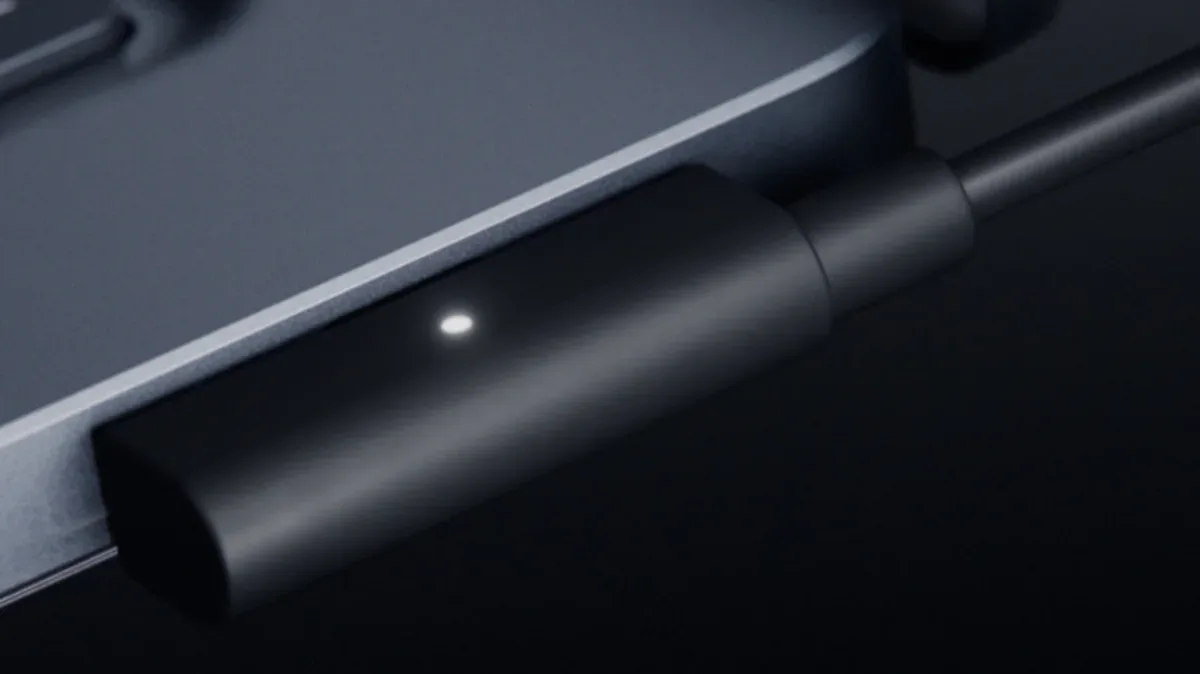
AMD Challenges Nvidia in AI Laptops: Claims 192GB Memory and x86 Readiness
Baca dalam 60 detik
- AMD menegaskan posisinya sebagai pelopor laptop dengan memori terpadu besar, mengklaim telah memulai kategori ini sejak awal 2025 melalui Strix Halo.
- Perbedaan arsitektur x86 dan Arm menjadi inti persaingan, dengan AMD menyoroti keunggulan kompatibilitas native tanpa emulasi yang berpotensi menghambat performa.
- Peluncuran RTX Spark dinilai sebagai validasi pasar, namun AMD siap bersaing dengan kapasitas memori lebih tinggi dan pengalaman puluhan tahun di ekosistem Windows.
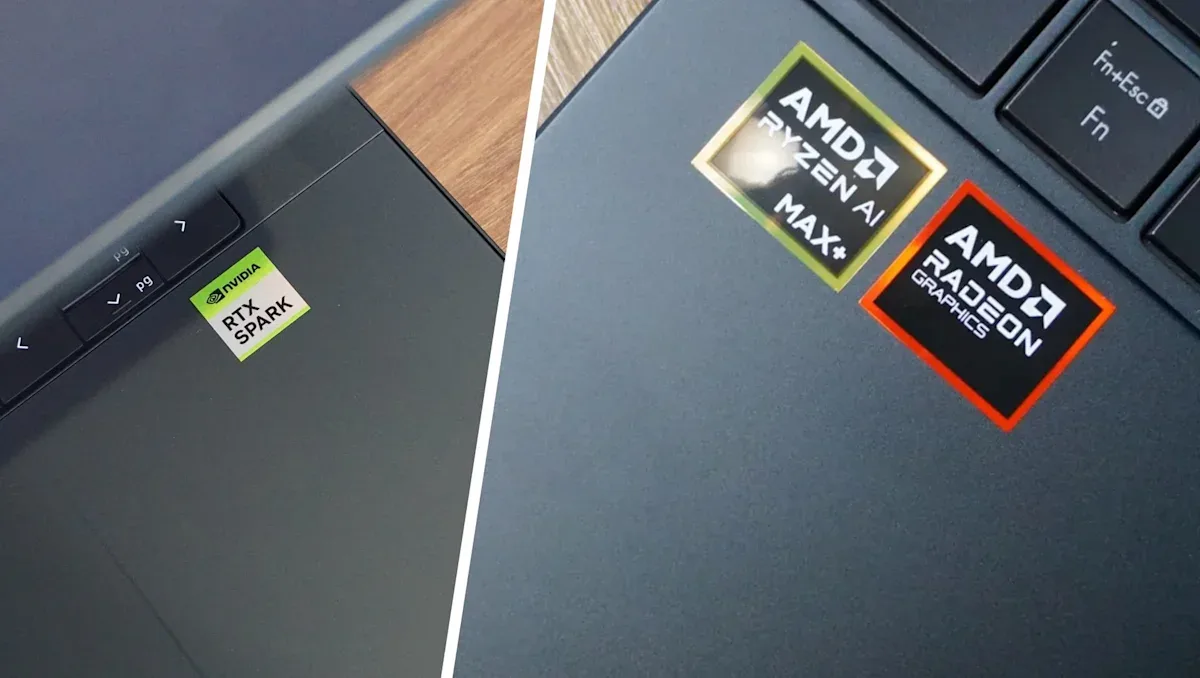
Nvidia officially introduced RTX Spark alongside Microsoft's Surface Laptop Ultra, marking a new chapter for personal computers with massive unified memory, local AI, and desktop-class performance in a portable body. However, AMD responded quickly with a confident tone: it claims to have been selling a similar architecture for more than a year.
In an exclusive interview after the RTX Spark launch, Mike Nordquist, CVP Client Product Marketing at AMD, said Nvidia's arrival actually validates the category AMD pioneered with Strix Halo in early 2025. "We're already on our second generation that we just announced last month, with 50% more capacity," he said, referring to the Ryzen AI Max 400 series (Gorgon Point Halo). The claim immediately highlights AMD's advantage in the unified memory sector: RTX Spark is capped at 128GB, while Gorgon Halo reaches 192GB—enough to run AI models with up to 300 billion parameters.
The debate then sharpened around chip architecture. AMD and Intel use x86, which has been the standard for Windows PCs for more than three decades, while Nvidia RTX Spark and Snapdragon X Elite are Arm-based. Arm offers power efficiency, but it must rely on emulation to run x86 applications, potentially causing a performance penalty. Nordquist quipped that in Nvidia and Microsoft's presentation, the word "Arm" was barely mentioned—an indication that the end-user experience remains a question mark. "Everything runs native on our products, and we feel confident everything just works without worrying that something will break," he stressed.
Nordquist also emphasized that building a laptop platform is not just about embedding a powerful chip. He highlighted thermal challenges, battery management, and legacy software compatibility, which he said AMD has mastered. "They're new to the laptop market in general. We've been in this field for more than 30 years, so we know how to run Windows," he added. The statement implies that Nvidia needs time to mature, especially in handling the wide range of hardware and software configurations in circulation.
"I don't think there's anything magical about switching to Arm—that it will be more power-efficient or other attributes. We never believed that, and neither did Intel," Nordquist said.
For the Indonesian market, this competition could accelerate the adoption of AI laptops at more competitive prices. So far, Arm-based laptops such as Snapdragon X Elite have entered through brands like Lenovo and Asus, but they are still constrained by local application compatibility. The presence of x86 options with large memory could be an alternative for professional users and content creators who need software stability. On the other hand, Nvidia with RTX Spark could drive on-device AI innovation relevant to the education sector and MSMEs, provided the Arm ecosystem is expanded.
However, AMD's claims have not been fully proven. Real-world benchmarks will determine whether the mature x86 architecture can match Arm's efficiency, or vice versa. Nvidia has not given an official response to Nordquist's statement, but the RTX Spark launch shows a serious ambition to dominate the premium laptop segment. The question is, will users choose the safe x86 path or be tempted by Arm innovation? Time and independent reviews will answer.