Nokia and Five Legendary Phones That Endure in Users' Memory
Baca dalam 60 detik
- Nokia 3310, N95, E71, N8, dan Lumia 1020 dinobatkan sebagai ponsel terbaik Nokia berdasarkan pengalaman pengguna lintas generasi.
- Kejayaan Nokia berakhir setelah kalah bersaing dengan iOS dan Android, memaksa penjualan divisi ponsel ke Microsoft pada 2014.
- Meski merek Nokia kini dikelola HMD Global, warisan inovasi kelima perangkat ini tetap menjadi acuan dalam industri ponsel.
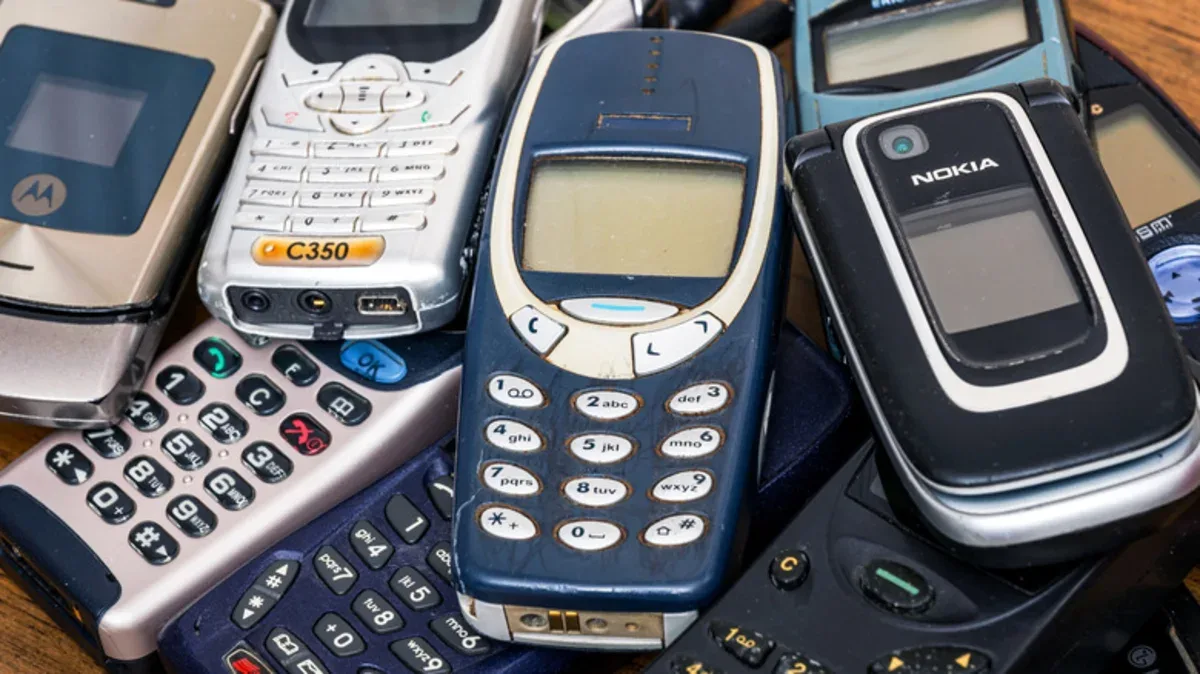
Nokia once dominated the global mobile phone market with devices that were not only functional but also iconic. Among the hundreds of models it released, five phones stand out as the most remembered by users: the Nokia 3310, N95 8 GB, E71, N8, and Lumia 1020. These five devices represent an era when design, durability, and camera innovation were the main differentiators in a market not yet dominated by touchscreen smartphones.
Nokia's dominance began to fade when iOS and Android changed the industry landscape. The Finnish company's bet on Windows Phone failed to restore its position, and in 2014 its mobile phone division was sold to Microsoft. Since then, the Nokia brand has been licensed to HMD Global, which offers competing devices in the affordable segment. Though no longer a major player, Nokia's legacy lives on through legendary devices still remembered today for their reliability and technological breakthroughs.
The Nokia 3310, also known as the 3390 in the United States, became a symbol of toughness. Users remember it as a phone that was nearly indestructible, often still working after being dropped many times. Features such as interchangeable casings and the games "Snake II" and "Space Impact" added to its appeal. For many people, the 3310 was the first phone to introduce the concept of mobile entertainment, long before modern apps existed.
The Nokia N95 8 GB, released in 2007, showed how one device could replace many gadgets. With a 5 MP Carl Zeiss camera, built-in GPS, Wi-Fi, and 8 GB of storage, it became a portable media center. Its two-way sliding mechanism—one side for the numeric keypad, the other for media controls—made it unique. The presence of a 3.5 mm headphone jack, now increasingly abandoned, further strengthened its position as an all-purpose device.
For users who prioritized productivity, the Nokia E71 offered a physical QWERTY keyboard that made typing emails and messages easier. Its stainless steel body and slim design made it look elegant. Support for Microsoft Exchange, calendar synchronization, and the ability to switch between work and personal screens made it a reliable work tool. Wi-Fi, 3G, GPS, and a 3.2 MP camera rounded it out as both an entertainment and productivity device.
The Nokia N8 highlighted photography capabilities with a 12 MP camera, Carl Zeiss optics, a large sensor, and a xenon flash. Compared with the iPhone 4, which had only a 5 MP camera and LED, the N8 was superior in low-light conditions. A dedicated camera button and an anodized aluminum body underscored its focus on the photography experience. Although its HD video recording lagged behind the Samsung Galaxy S II, which already supported 1080p, the N8 still offered on-device video editing and an HDMI connection.
The peak of Nokia's camera innovation came with the Lumia 1020 (2013), featuring a 41 MP sensor, optical stabilization, and a xenon flash. PureView technology allowed users to produce more detailed, low-noise 5 MP photos and to crop after taking a shot. A manual camera app gave control over ISO, white balance, and shutter speed. A 4.5-inch AMOLED screen and 32 GB of storage completed the package, though the delay between shots made it less than ideal for fast action.
"For many users, the camera is the most legendary aspect of the Lumia 1020, even though the delay between one photo and the next makes it less suited to moving scenes," is an impression that often appears in user communities.
In Indonesia, Nokia was once a dominant brand before the smartphone era. Models such as the 3310 and N95 are still remembered by the generation that grew up in the 2000s. HMD Global's presence with Nokia Android phones today is trying to recapture that glory, but competition in the entry-level and mid-range segments is very tight. Nokia's legacy of innovation—especially in durability and cameras—remains a benchmark, even though its market share is now far different.
Looking ahead, can Nokia challenge the major players again? With HMD's strategy focused on affordable devices and durable features, the opportunity exists, but it requires more than nostalgia. Modern users expect an ecosystem, software updates, and relevant innovation. Nokia has a strong legacy; the question is whether it can translate that into products that once again define the market.