Strands #953: Today's Spangram Answer and How to Play
Baca dalam 60 detik
- Puzzle Strands edisi 12 Oktober 2026 mengusung tema idiom dengan jawaban spangram TURNOFPHRASE.
- Permainan ini menantang pemain menemukan enam kata tema yang saling terkait tanpa tumpang tindih di papan huruf.
- Popularitas Strands yang terus naik menandai pergeseran kebiasaan konsumsi hiburan digital harian di tengah masyarakat.
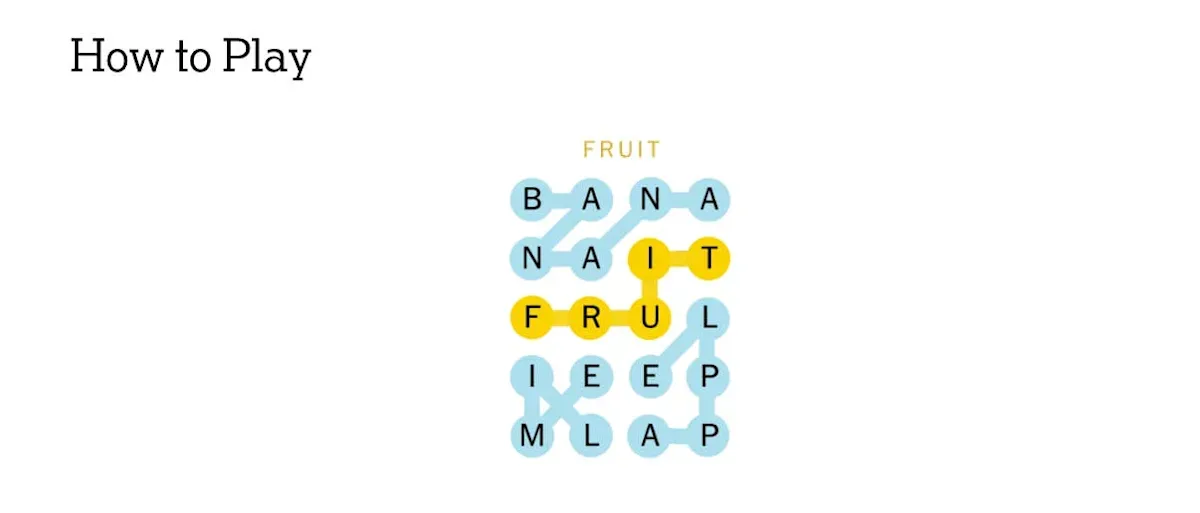
The New York Times again released the daily puzzle Strands edition #953 on Monday, October 12, 2026, with the spangram answer being the phrase TURNOFPHRASE. The puzzle tests players' understanding of expressions or idioms, as implied by the official hint that reads "You've got a way with words".
Strands is not just an ordinary word game. Since its launch, it has become one of the most anticipated daily activities for NYT users, alongside Wordle, Connections, and the Mini Crossword. Its appeal lies in the combination of a daily theme that changes every 24 hours and the spangram mechanism—a word or phrase that describes the theme and must touch two opposite sides of the board.
In this edition, players are faced with six theme words, including the spangram. Each theme word must be found by dragging or tapping letters on the board. If using tap mode, players need to tap twice on the last letter to submit an answer. Theme words will be highlighted in blue, while the spangram turns yellow when found. No theme words overlap, and the entire board must be filled.
For those who are struggling, a help system is available. Every three non-theme words found will provide one hint that reveals the letter sequence of a theme word. If there is already an active hint, the next hint will show the letter sequence of that word. This mechanism is designed to keep players engaged without making them frustrated.
"You might find today's Strands puzzle easy if you are familiar with idioms," reads the official hint released by NYT.
The Strands phenomenon reflects how mainstream media such as NYT continue to develop subscription-based entertainment products. Amid increasingly tight competition among digital platforms, daily word games have become an effective retention tool. Users tend to return every day to complete the puzzle, which in turn strengthens their attachment to the NYT ecosystem.
In Indonesia, a similar trend is beginning to emerge. Local apps and websites offering daily puzzles, such as crosswords and sudoku, are recording increased user engagement. Although not yet as popular as Wordle or Strands, interest in these light brain games shows significant market potential. Domestic technology companies can seize this gap by developing similar games tailored to local language and culture.
Going forward, the question is whether Strands will be able to maintain its momentum amid a sea of constantly changing digital content. If NYT consistently presents fresh themes and a balanced level of difficulty, it is not impossible for Strands to become a global phenomenon like its predecessors. However, its biggest challenge is keeping players from getting bored and ensuring they still feel challenged every day.