The Myth That Muscle Turns Into Fat: Scientific Explanation and Its Implications for Indonesian Lifestyles
Baca dalam 60 detik
- Tidak ada proses biokimia yang mengubah otot menjadi lemak; keduanya jaringan berbeda.
- Penurunan massa otot dan kenaikan lemak akibat surplus energi sering disalahartikan sebagai transformasi.
- Menjaga asupan protein dan aktivitas fisik selama jeda latihan kunci mencegah perubahan komposisi tubuh.
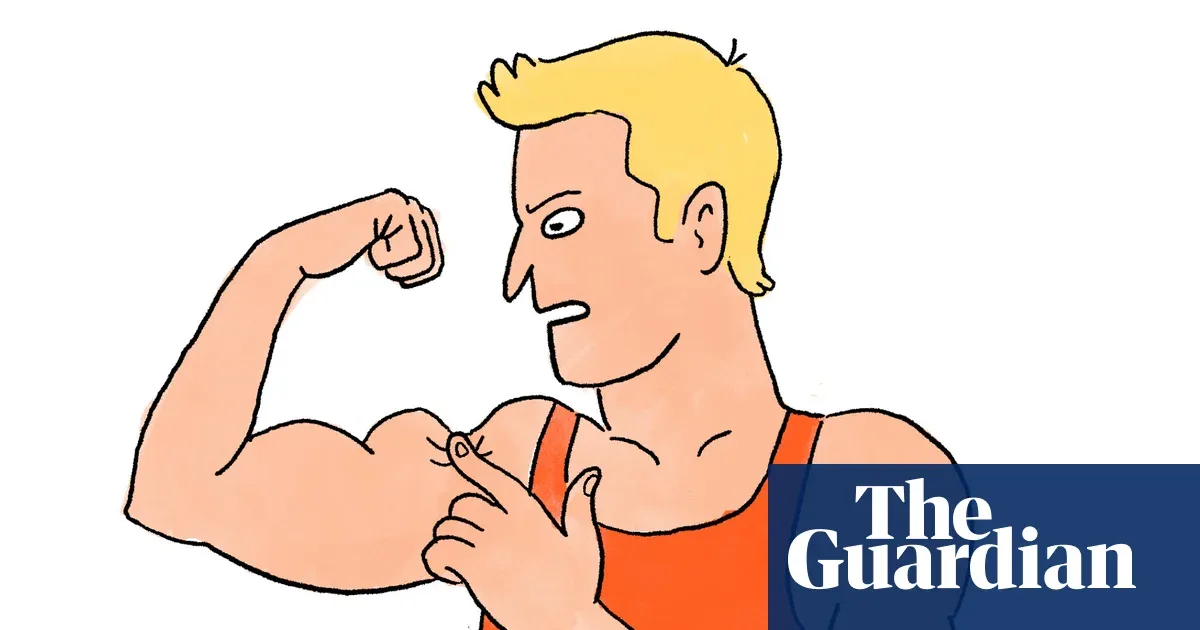
Many people believe that muscle will turn into fat if you stop exercising. Prof Leigh Breen, a muscle physiology specialist at the University of Leicester, stresses that this assumption is wrong. "There is no process in the human body that supports muscle turning into fat, or vice versa," he said. This belief arises because after a long break from training, muscles feel softer and less firm, so they seem to have turned into fat.
Biologically, muscle and fat are two completely different tissues. Muscle is made up of contracting protein fibers, while fat is an energy reserve in the form of triglycerides. There is no metabolic pathway connecting the two. Breen explains that the confusion stems from a combination of decreased muscle mass and increased fat mass occurring at the same time. When someone stops weight training, the muscle that has been built gradually shrinks. If eating patterns stay the same while energy expenditure decreases, excess calories are stored as fat. "This combination of muscle loss and fat gain gives the impression that one has turned into the other," he added.
The duration of a training break affects how much body composition changes. According to Breen, a two-week rest from a training routine while remaining generally active does not cause significant changes. Conversely, prolonged total immobilization due to injury can accelerate muscle loss and fat gain. Therefore, maintaining light physical activity during recovery is highly recommended.
Diet during the break also plays an important role. Breen recommends maintaining high protein intake to minimize muscle loss, while slightly reducing calories so there is no energy surplus. "Small fluctuations in muscle and fat mass generally need not be worried about, as long as over the long term exercise and eating patterns remain consistent," he stressed.
"There is no known process in the human body that allows muscle to turn into fat, or vice versa." — Prof Leigh Breen
In Indonesia, this myth is often used as a reason people are reluctant to start or continue an exercise program. Many fear their muscle will turn into fat if they pause for a while. In fact, correct understanding can encourage people to stay active even when busy or injured. With the rising prevalence of obesity and non-communicable diseases, education about body composition is increasingly relevant. An interrupted training program does not immediately ruin results, as long as it is balanced with proper dietary management.
Going forward, it is important for fitness practitioners and health workers to correct this misconception. Instead of fearing a break from training, focus on long-term consistency and a balanced diet. The public needs to understand that the body keeps changing, and small fluctuations are normal. That way, they can make better decisions for metabolic health and quality of life.