Orkut Revival? Founder Challenges Algorithm and AI Dominance in Social Media
Baca dalam 60 detik
- Orkut Büyükkökten mengajak publik mendaftarkan dukungan untuk menghidupkan kembali Orkut, platform yang tutup pada 2014.
- Ia mengkritik lanskap media sosial saat ini yang dinilai kian dikuasai algoritma dan konten buatan AI, mengikis interaksi manusiawi.
- Peluncuran ulang belum pasti, tetapi langkah ini memicu diskusi tentang masa depan jejaring sosial yang lebih manusiawi, termasuk di Indonesia.
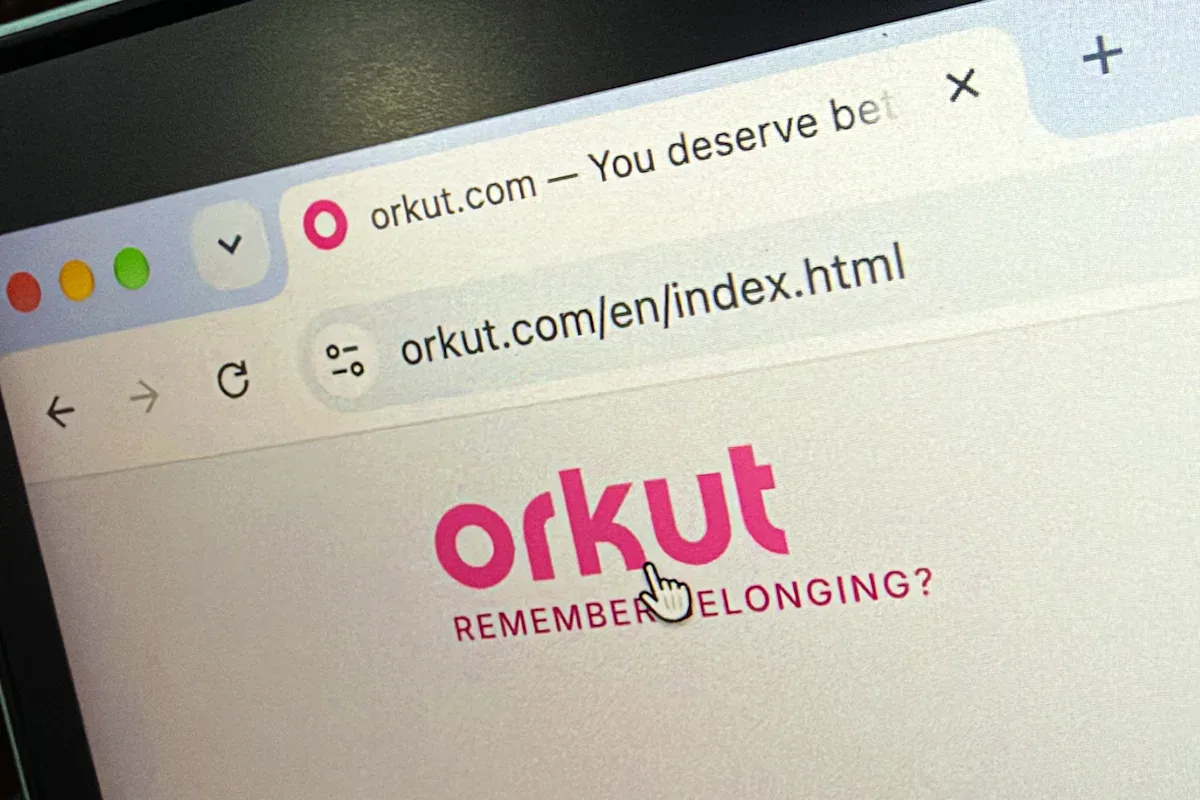
Orkut founder Orkut Büyükkökten has announced an initiative to revive the social networking platform that once thrived in the early 2000s. In a post on X on Thursday (local time), he invited users to visit Orkut.com and add their names as a show of support, while also inviting others to join. The move marks the latest attempt to restore a digital space that emphasizes friendship, community, and human connection.
Orkut was first launched in 2004 as a side project by Büyükkökten, who was working at Google at the time. The platform became a phenomenon, especially in India and Brazil, before eventually losing out to Facebook. Google officially shut it down in September 2014 and shifted focus to other services such as Google+ and YouTube. Now, more than a decade later, the founder believes there is an urgent need to reconstruct how we interact online.
In an open letter published on Orkut.com, Büyükkökten highlighted the shift in the social media landscape over the past two decades. He stated that artificial intelligence (AI) is indeed an extraordinary technology, but it erodes the basic premise that made social networking special: the presence of real humans on the other end. "I know how to get there: we rebuild the internet we first loved. An internet with authentic people, real connections, and a genuine sense of belonging," he wrote. The critique underscores growing concerns over the dominance of algorithms and synthetic content, which are seen as reducing the authenticity of interaction.
This is not the first time Büyükkökten has tried his luck in social media. In 2016, two years after Orkut was shut down, he launched Hello, which focused on connections based on shared interests. However, the platform closed in 2020 after gathering just over 2 million downloads—far below Orkut's achievement. In 2022, he hinted at a new project on Orkut.com, and two years later he told WIRED he was working on a social network that uses AI and machine learning to bring people together. To date, the platform has yet to launch.
"AI is an extraordinary technology, but it dissolves one premise that made social networking special and worth building: that there is someone on the other side." — Orkut Büyükkökten
Although enthusiasm for Orkut's return is beginning to emerge, Büyükkökten has not made clear whether a new version is being developed or whether this is merely a show of support. An email request for comment to Orkut received no response. The uncertainty leaves a big question mark: is this the first step toward a real launch, or just an effort to gauge market interest?
For Indonesia, this phenomenon is relevant given Orkut's history as one of the early platforms for many internet users in the country before the Facebook and Instagram era. If Orkut truly returns with the promise of more human interaction, it could offer an alternative amid fatigue with algorithms that are often seen as eroding privacy and mental health. However, serious challenges await: rebuilding a user base in a market already dominated by global tech giants, and convincing a younger generation that grew up with modern social media.
Going forward, the public is waiting to see whether Büyükkökten will announce a launch date or instead shift focus to his AI project. If Orkut truly revives, will it be able to win back users' trust, or will it sink into nostalgia without enough innovation? Only time will tell, but one thing is certain: the discussion about a more human future for social media is increasingly relevant.