Febrie Adriansyah Charged With Laundering Rp346 Billion via 29 Companies and Foundations
Baca dalam 60 detik
- Jaksa Penuntut Umum mengungkap jaringan 29 entitas bisnis yang diduga dipakai eks Jaksa Agung Muda Pidana Khusus Febrie Adriansyah untuk mencuci uang.
- Dakwaan menyebut aliran dana mencapai Rp346 miliar dan USD440 ribu, plus pemerasan Rp55 miliar terhadap pengusaha properti Tan Kian.
- Skema berlangsung selama enam tahun, memanfaatkan kewenangan menentukan status hukum pihak berperkara sebagai pintu masuk suap dan pencucian uang.
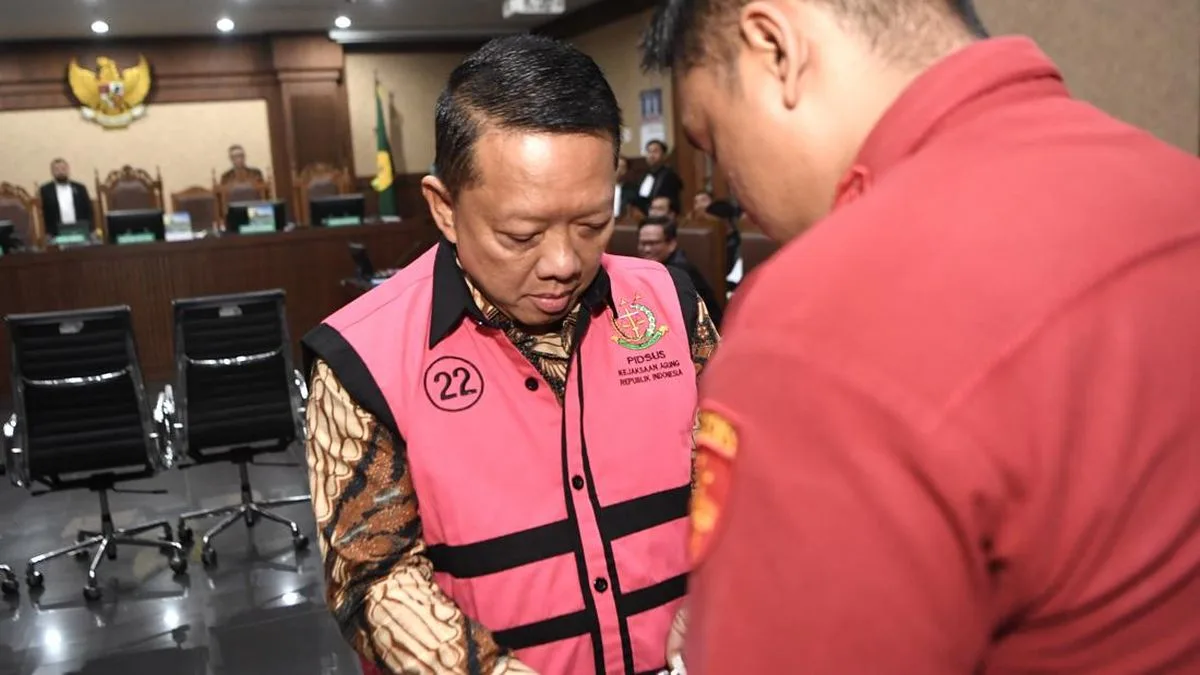
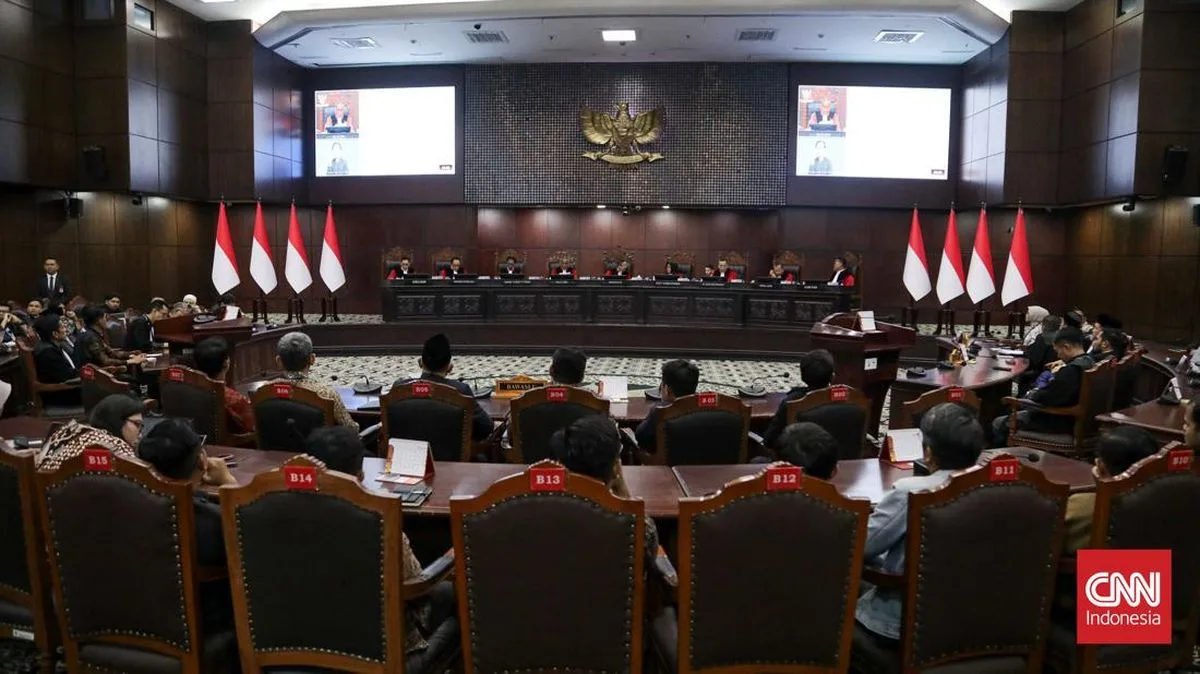
Prosecutors have laid bare an alleged money-laundering scheme by former Deputy Attorney General for Special Crimes Febrie Adriansyah, who is accused of using 29 companies and foundations as vehicles. The indictment was read at a hearing at the Corruption Court at the Central Jakarta District Court on Wednesday (7/10), marking a new chapter in the prosecution of a case that has ensnared one of the Attorney General's Office's senior figures.
According to prosecutors, Febrie did not act alone. He is said to have collaborated with three trusted associates—Don Ritto alias Idon, Nurman Herin, and Ferry Yanto Hongkiriwang—to manage the flow of illicit funds. The methods shifted from restaurants and money changers to mining and holding companies spread across Jakarta, Banten, Jambi, Bandung, and Makassar. The scheme is said to have operated from 2020 to 2026, precisely when Febrie served as Director of Investigation and later rose to the position of Deputy Attorney General for Special Crimes.
Prosecutors underscored that Febrie's position as an official with the authority to determine a person's legal status was key. "With the duties and authority of the Defendant as Director of Investigation and as Deputy Attorney General for Special Crimes, the Defendant could determine the legal status of parties whose cases were being handled," the prosecutor said in court. That authority, according to prosecutors, was turned into a commodity: litigants who paid were guaranteed not to be prosecuted, while the incoming funds were diverted to affiliated companies and foundations.
The list of 29 entities reveals a fairly systematic money-laundering pattern. There is a French restaurant bought in 2020 and renamed Café De' Clan under PT De Clan Kulinari Nusantara; a money changer, PT Kantor Omzet Indonesia, established in October 2020; and a number of coal and nickel mining companies such as PT Cipta Sinar Benderang, PT Borneo Surya Persada, PT Borneo Green Prima, PT Celebes Mega Nikel, and PT Rivantama Bintang Muda. There are also holding and fund management companies addressed at Treasury Tower, SCBD—an elite Jakarta business district commonly used as an address for shell companies.
Beyond companies, prosecutors found a foundation named Yayasan Anny Djamaluddin Rasyad, established in March 2024 with Nurman Herin as manager and Chief Treasurer. The foundation's presence in the scheme suggests an effort to disguise the origin of funds through social activities, a pattern often seen in money-laundering cases across various jurisdictions.
"Furthermore, through several of those companies and the foundation, the Defendant together with Don Ritto alias Idon and Nurman Herin committed the crime of money laundering," the prosecutor said.
The case adds to a long list of integrity problems within law enforcement. If the indictment is proven, the practice alleged to have lasted six years would not only harm state finances but also erode public trust in the legal process. Businesspeople who feel they can "buy" suspect status may come to see the law as a transaction rather than justice. The impact is felt in the investment climate: legal certainty, the foundation of the economy, can be undermined when law enforcement is influenced by rewards.
From a policy standpoint, the case reinforces the urgency of strengthening internal oversight systems at the Attorney General's Office and other law enforcement agencies. Transparency in case handling, audits of officials' wealth, and a clear separation between investigative and prosecutorial authority are homework that cannot be postponed. Without that, the same loopholes could be exploited again by the next rogue official.
The public now waits to see how the panel of judges assesses the prosecutors' construction of the indictment, including whether the 29 entities are truly proven to be money-laundering vehicles or merely legitimate business instruments. More importantly, will the eventual verdict send a message that legal authority cannot be bought and sold—or the opposite?