Constitutional Court Rejects Gibran Diploma Lawsuit, Lawyer Says KPU Regulation Procedurally Flawed
Baca dalam 60 detik
- Mahkamah Konstitusi menyatakan permohonan sengketa syarat pendidikan Gibran Rakabuming Raka tidak dapat diterima.
- Bambang Widjojanto menuding PKPU Nomor 19 Tahun 2023 melanggar asas pemilu jujur dan adil karena menutup akses Bawaslu.
- Putusan ini menutup jalur hukum terakhir untuk mempersoalkan keabsahan pencalonan Gibran pada Pilpres 2024.
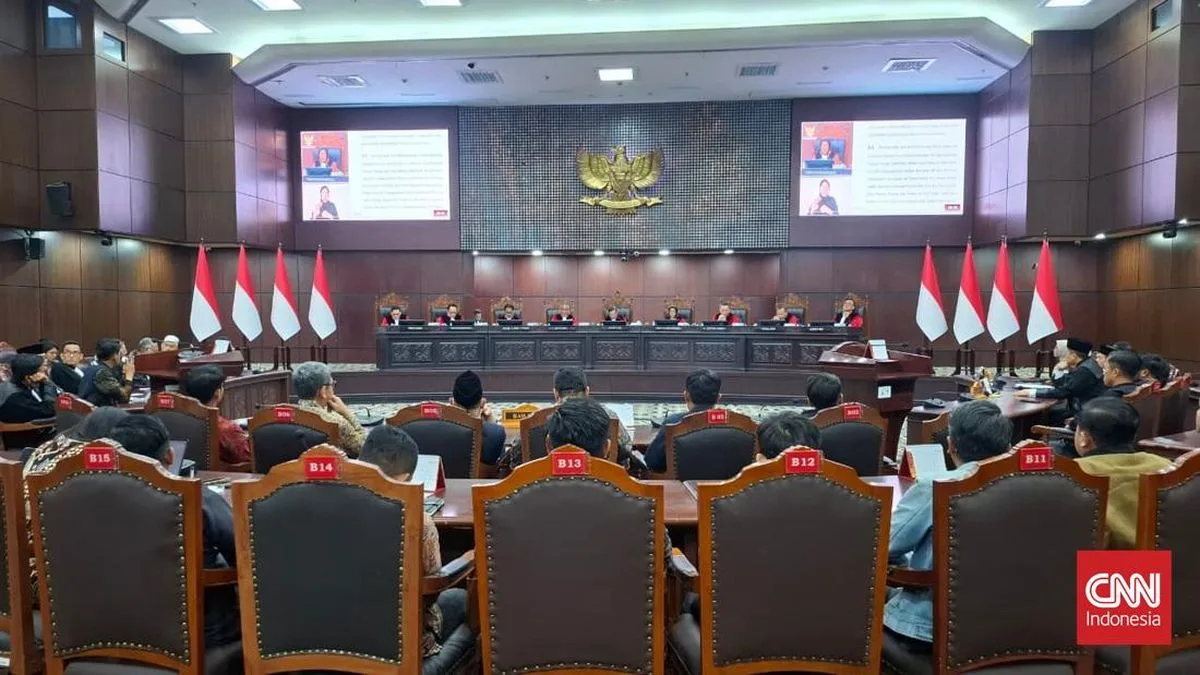
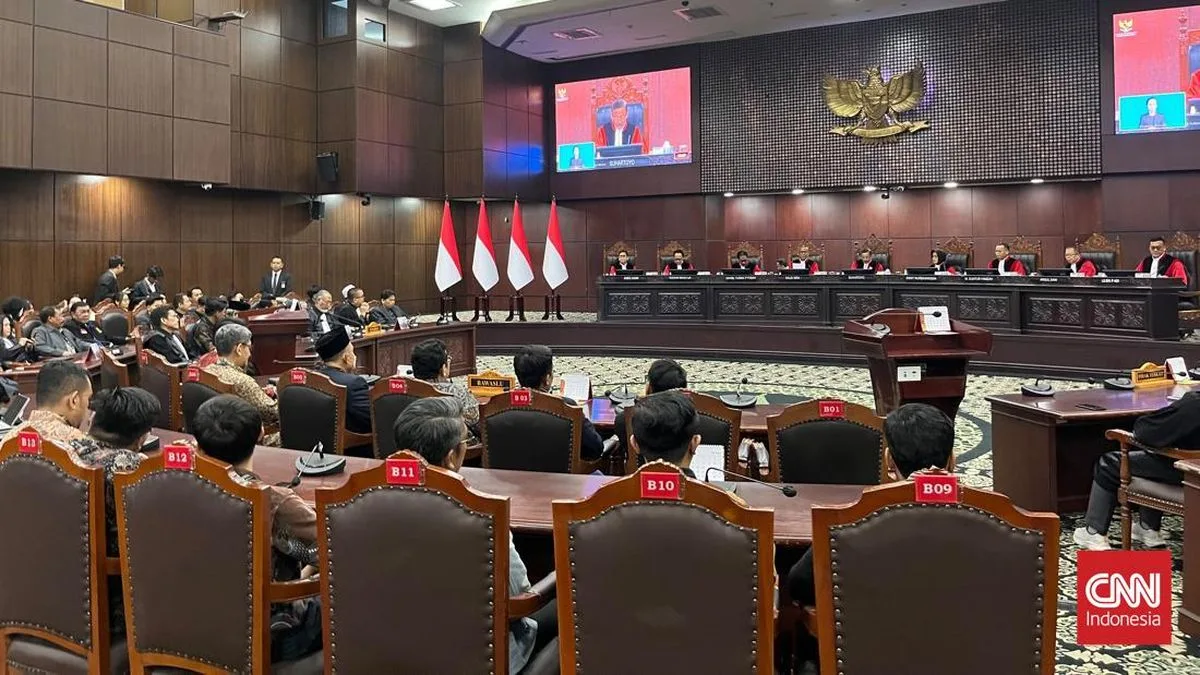
The Constitutional Court (MK) ruled that the petition challenging the validity of the educational requirement for vice-presidential candidate Gibran Rakabuming Raka in the 2024 Presidential Election was inadmissible. The ruling was read out in a plenary hearing for case number 01/PHPU.PRES-XXIV/2026 in Jakarta on Tuesday (6/10) evening, with the verdict stating that the petitioners' main petition was inadmissible.
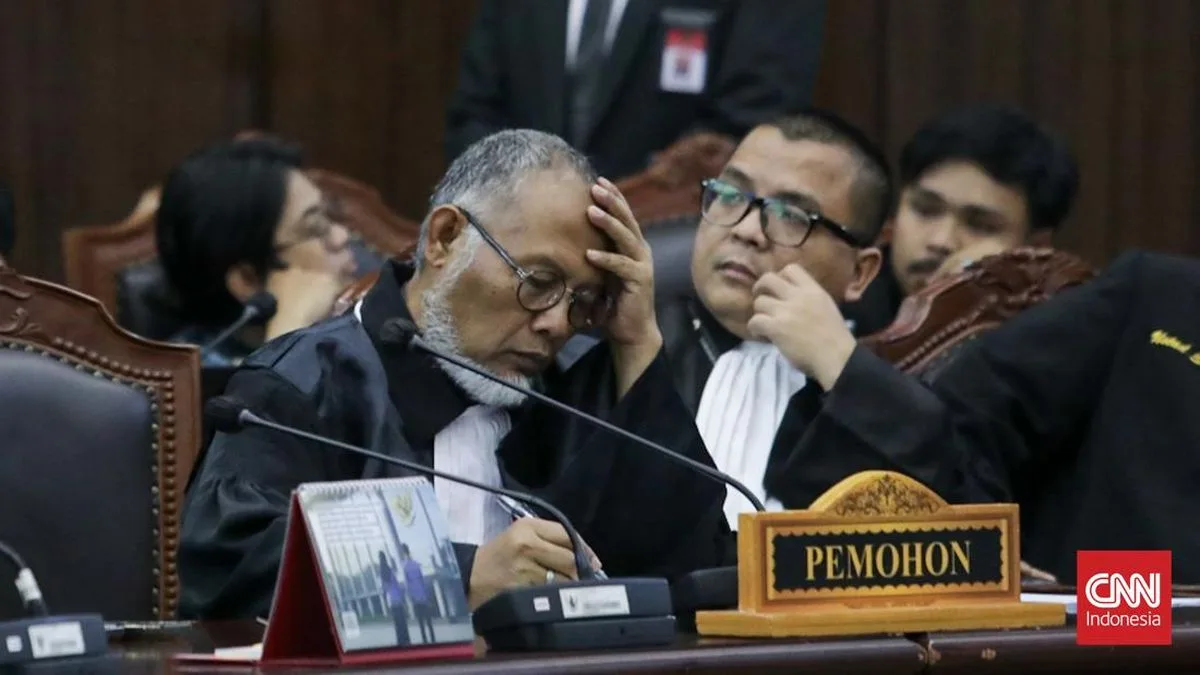
The decision is a blow to the petitioners, who argued there were procedural violations in Gibran's candidacy. The petitioners' lawyer, Bambang Widjojanto, said after the hearing that General Elections Commission (KPU) Regulation Number 19 of 2023 on the Nomination of Participants in the Presidential and Vice-Presidential Election had violated the principle of honest and fair elections. According to him, the regulation was a fundamentally flawed basis from the start.
During the hearing, it emerged that the Election Supervisory Body (Bawaslu) was not given access by the KPU to verify the diplomas required for the registration of presidential and vice-presidential candidates in the 2024 Presidential Election. Bambang stressed this was a serious violation because it hindered the supervisory function. "Confirmation from Bawaslu that the KPU did not provide access... This is a violation," he said.
Furthermore, Bambang argued that Gibran's candidacy contained a formal defect that should have been a concern from the outset. According to him, if the problem had been found at the registration stage, Gibran would not have been eligible to run as vice-presidential candidate. "If this formal defect had been found early on, Gibran would not have been fit to be vice-presidential candidate. This hearing is actually discussing it and we succeeded in proving it," said the man familiarly known as BW.
"The KPU Regulation has violated the principles of elections, namely honesty and fairness." — Bambang Widjojanto, petitioners' lawyer
This MK ruling confirms that legally, the issue of Gibran's educational requirement cannot proceed through the election result dispute channel. However, its political implications remain: the public and other election participants may question the extent to which the integrity of the nomination process can be tested when the election organizer is seen as closing off supervisory access. The case also highlights the importance of transparency in verifying candidate documents, especially to prevent disputes in the future.
The decision could set a precedent for future elections. If Bawaslu's access to candidate data is restricted, the supervisory function that is a pillar of democratic elections could weaken. On the other hand, MK as the guardian of the constitution has chosen not to enter an area it considers outside its authority. The question is, will the KPU and Bawaslu improve the verification mechanism so that a similar controversy does not recur in the 2029 Presidential Election?