Trump to Self-Fund Campaign-Style TV Ads That Previously Used Government Money
Baca dalam 60 detik
- Presiden AS Donald Trump menyatakan akan menanggung biaya iklan televisi bernuansa dukungan politik yang sebelumnya dibiayai dana pemerintah.
- Keputusan ini muncul setelah kritik dari senator dan pengamat yang menilai iklan tersebut melanggar aturan penggunaan anggaran negara untuk propaganda partai.
- Langkah Trump berpotensi memicu perdebatan lebih luas tentang batas antara komunikasi publik dan kampanye elektoral menjelang pemilu sela November.
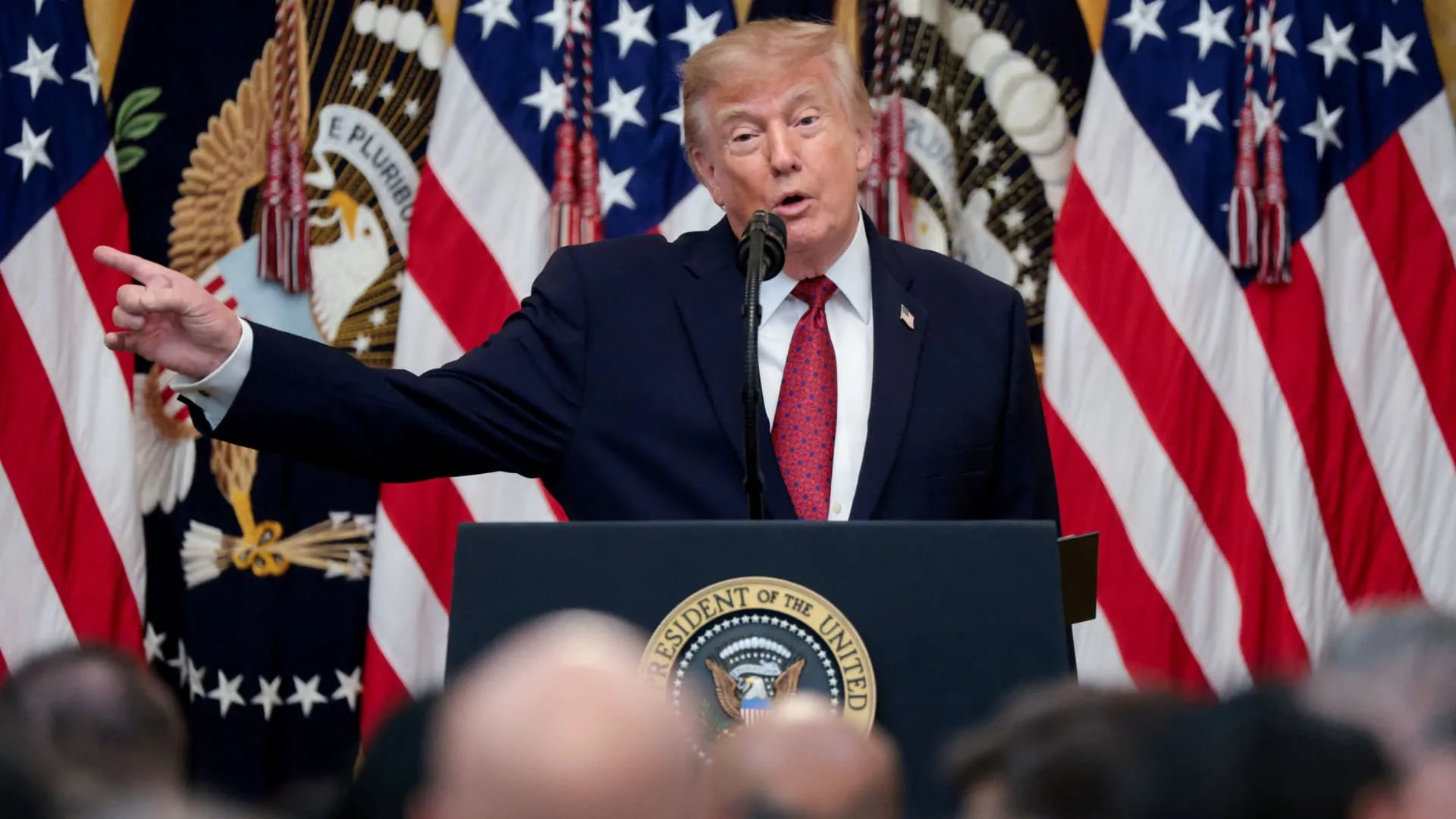
US President Donald Trump announced that he and his personal political action committee (PAC) will cover the cost of television ads that previously used government funds. The ads drew controversy for being seen as resembling Republican Party campaign material ahead of the November midterm elections.
Trump made the announcement via Truth Social on Monday night local time. He called the ads "positive promotion for the United States" and claimed similar practices are commonplace. Nevertheless, Trump decided to fund the ads himself together with MAGA, Inc., instead of using state money.
The controversy began when several ads featured Trump's image with messages such as "America will never be a communist country." Democratic Senator Maggie Hassan, in her letter dated 24 September to White House Chief of Staff Susie Wiles, argued the ads had no clear governmental purpose and could violate the federal ban on using appropriated funds for "general propaganda efforts designed to help a political party or candidate."
A White House spokesperson defended the ads, calling them "public service announcements" aimed at reminding Americans to love their country and understand the values that must be upheld, both at home and abroad. However, critics argue that justification does not erase the fact that the ad material closely resembles Republican Party campaign messaging.
"This is a fairly standard thing to do, but rather than doing it, even though nothing will make them happy, I decided to do the Patriotic Ads, among others, and pay for it myself, and with money I raised for MAGA, Inc."
— Donald Trump, in a Truth Social post
Trump's decision to personally cover the ad costs did not immediately ease criticism. On the contrary, the move opened new questions about the extent to which a president can use his political resources for electoral purposes. The use of government funds for campaign-style ads has long been a gray area in US election law.
In the Indonesian context, this polemic mirrors the importance of transparency and accountability in the use of state budgets for public communication. In Indonesia, the use of APBN or APBD funds for activities with a political campaign flavor often draws scrutiny, especially ahead of elections. The Trump case can be a lesson that the line between policy communication and electoral campaigning must be strictly guarded to prevent abuse of authority.
The November midterms will determine whether the Republican Party retains control of both chambers of Congress. If the ads continue to air with Trump's personal funding, their impact on public perception remains an open question. What is clear is that this maneuver shows how the line between state and party is increasingly blurred in modern political practice.
Going forward, the public will watch whether Trump's move truly ends the polemic or instead triggers a new wave of criticism. The question is whether personal funding is enough to erase allegations of ethical violations, or whether this is just another way to sustain a political narrative under pressure.