COP31 on the Brink of Collapse: European Union Firmly Rejects Antalya Pact That Omits Fossil Fuels
Baca dalam 60 detik
- Uni Eropa resmi menolak pakta iklim Antalya karena dinilai tidak mencerminkan sains dan mengabaikan transisi energi fosil.
- Penolakan ini memperpanjang jalan buntu COP31, menjadikannya konferensi iklim terpanjang dalam sejarah dengan hasil yang tidak mengikat.
- Indonesia perlu mengantisipasi melemahnya komitmen global yang dapat memengaruhi pendanaan transisi energi dan negosiasi iklim selanjutnya.
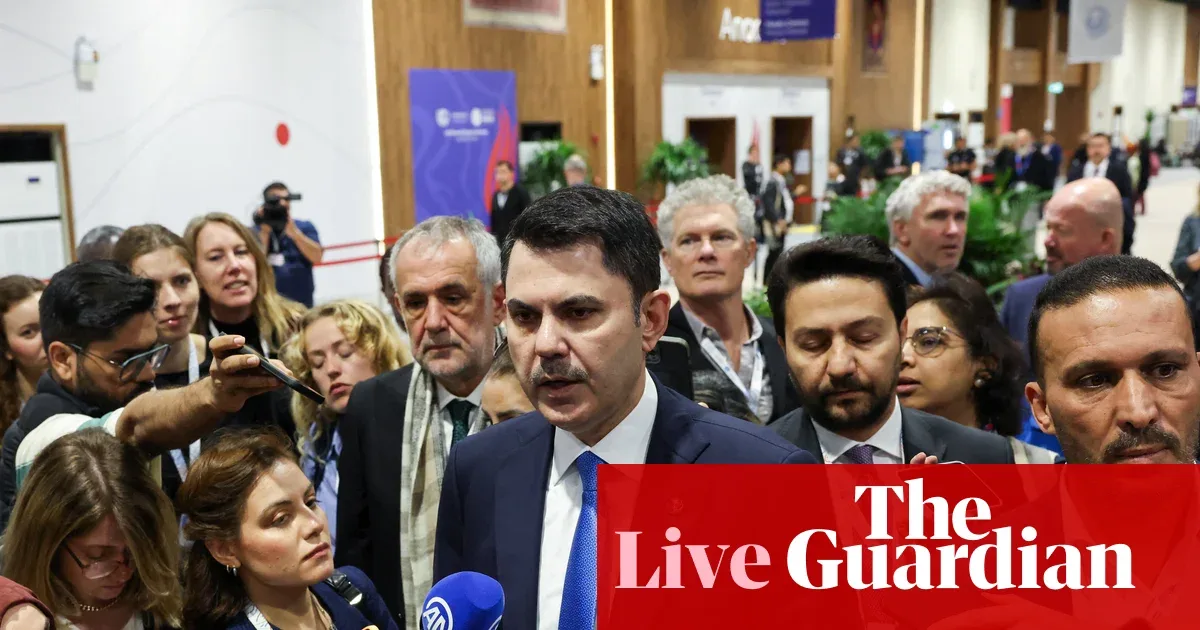
The European Union has officially rejected the final COP31 agreement dubbed the Antalya Pact, on the grounds that the pact does not answer the world's urgent need for climate action. Ireland's Climate Minister, Darragh O’Brien, conveyed that objection during the plenary session, marking a sharp split among the participating countries at a conference that has run longer than scheduled.
In his statement, O’Brien stressed that the European Union would not endorse a decision that does not respond to scientific findings and could instead widen the gap between global commitments and real action. He highlighted that the document does not even mention the words “fossil fuels” at all—an omission deemed fatal amid increasingly urgent demands for an energy transition.
The rejection is a severe blow to a negotiation process that has already been arduous. COP31, held in Antalya, Turkey, has become the longest climate conference in history, yet it ended without a substantially binding agreement. The European Union considers the resulting cover decision deeply disappointing because it is not aligned with the emissions reduction pathway needed to limit global warming.
The European Union's objection reflects developed countries' frustration with the slow progress of climate diplomacy. Several observers assess that the rejection could trigger a domino effect, with other countries holding high climate ambition potentially following suit. If the pact is still adopted without the European Union's support, its legitimacy in the eyes of the international community will be questioned.
“We will not support a decision that does not respond to science and instead risks deepening the gap between global commitments and the action that is needed,” O’Brien said firmly in the plenary.
For Indonesia, this dynamic is not merely a distant diplomatic event in Europe. As a country with vast tropical forests and an ongoing energy transition commitment, Indonesia has a direct interest in the direction of the global climate agreement. The weakening commitment of developed countries could affect the flow of climate funding, including performance-based payment schemes and renewable energy investment. This uncertainty could also complicate Indonesia's position in carbon trade negotiations and the implementation of domestic carbon tax policy.
In addition, the absence of the phrase “fossil fuels” in the pact could potentially give oil-producing countries room to loosen decarbonization targets. Indonesia, which still relies on coal for power generation, needs to watch closely whether the weakening global signal will slow domestic energy reform or instead become a momentum to accelerate the transition for the sake of long-term energy resilience.
With the European Union's rejection, the future of the Antalya Pact now hangs in the balance. Negotiators are faced with a difficult choice: revise the document to accommodate the demands of science, or continue the conference without a unanimous agreement. The question is, will COP31 end as a diplomatic failure that deepens the crisis of trust, or instead become a turning point that forces countries back to the negotiating table with higher ambition?