US Election Less Than a Month Away, Future of Crypto Regulation at Stake
Baca dalam 60 detik
- Pemilu paruh waktu AS pada 3 November 2026 akan menentukan kendali DPR dan Senat, yang berdampak langsung pada arah regulasi aset kripto tahun depan.
- Jajak pendapat dan pasar prediksi menunjukkan Partai Demokrat berpotensi merebut DPR, sementara Senat masih terlalu ketat untuk diprediksi.
- Industri kripto mengerahkan dana politik dalam jumlah terbatas, sementara Kongres diperkirakan fokus pada legislasi pajak kripto yang bersifat bipartisan.
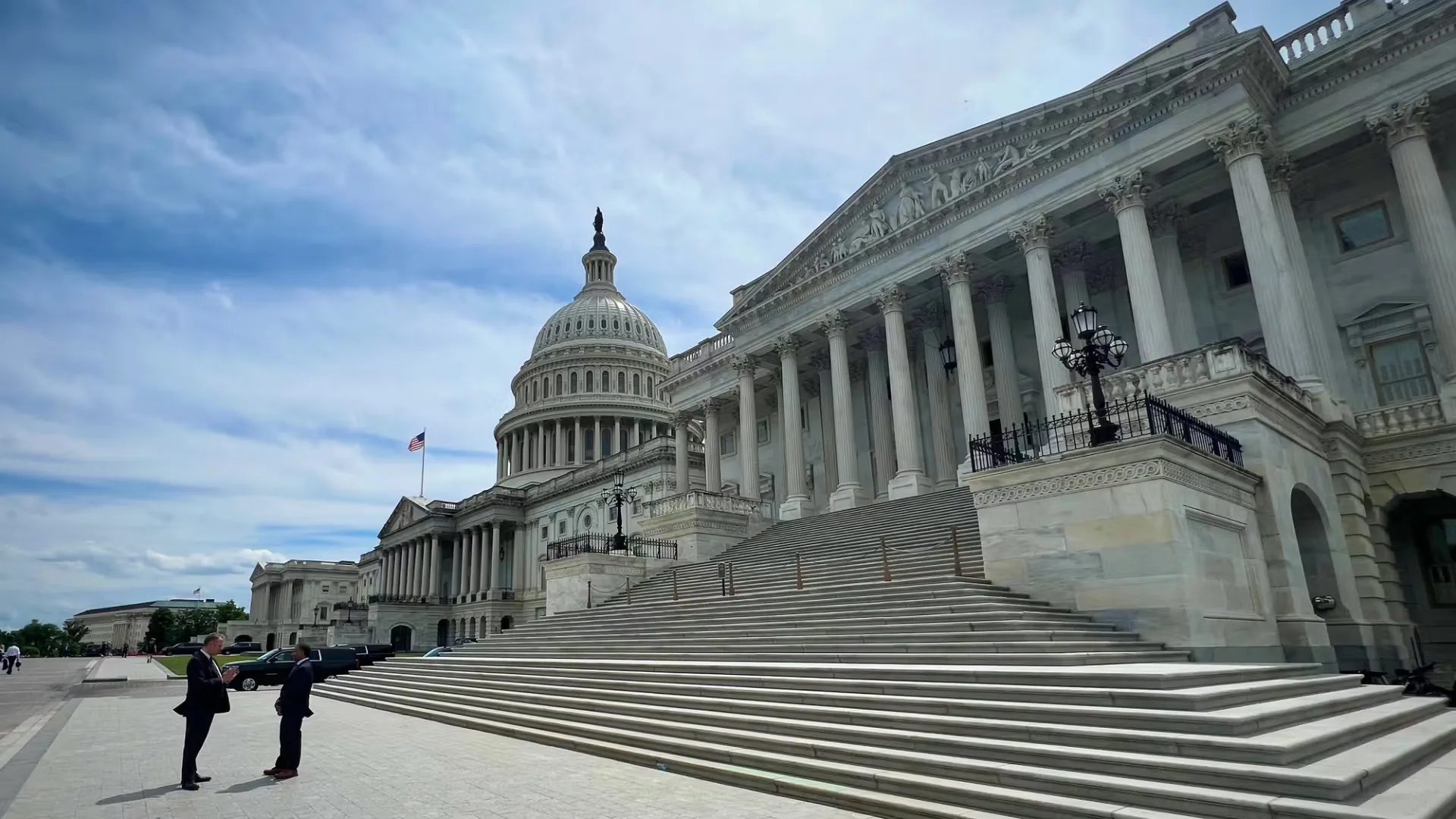
The United States midterm election is just days away, on 3 November 2026. The outcome will not only determine who controls the House and Senate, but also set the direction of crypto asset industry policy for at least the coming year. For market participants and investors, the question is simple: will Washington continue a more accommodating approach, or tighten oversight instead?
So far, political indicators point to change. The consensus poll on 270towin projects that the Democratic Party has a chance to flip the House, while Senate seats remain in a gray zone. Prediction markets such as Kalshi and Polymarket, as of Friday afternoon local time, even signaled that Democrats could sweep both chambers. If these projections materialize, the oversight landscape for federal regulators will shift significantly.
What bears watching is that Congress has a crucial role in overseeing agencies such as the SEC, CFTC, OCC, and the Treasury Department. These regulators will indeed be busy drafting technical rules throughout the year, but their budgets and limits of authority must still be approved by the legislature. The failure of the Clarity Act last month—which was meant to clarify interagency interaction in regulating crypto—serves as a reminder that without congressional support, a comprehensive regulatory framework is difficult to achieve.
On the legislative side, two main tracks are underway. First, the market structure bill, whose direction of deliberation remains unclear. Second, and more certain, is tax legislation. The House Ways and Means Committee has approved a crypto tax bill with cross-party support, while Senator Steve Daines brought a similar initiative to the Senate. This indicates that the tax issue has stronger political momentum than efforts at comprehensive regulation.
However, the shadow of political investigations still looms. Some industry players worry that a Democrat-controlled Congress will use subpoena power to drag in crypto companies tied to the administration of President Donald Trump. This concern stems from broader worries about potential conflicts of interest between the crypto business and circles of power.
"The crypto industry's involvement in this election is fairly limited. Fairshake and the Digital Freedom Fund have announced expenditures, but there are no additional plans for now," a Fairshake representative told CoinDesk, as quoted in the report.
From Indonesia's perspective, this US political dynamic deserves attention. As a country with rapidly growing crypto adoption, Indonesia has a direct interest in the stability of global regulation. Uncertainty in Washington can affect capital flows, innovation, and even the prices of digital assets traded on domestic exchanges. For local businesses, signals from the US Congress often serve as an unofficial reference in shaping compliance and expansion strategies.
Going forward, the question is not merely who wins, but how quickly the new Congress can agree on a clear legal framework. If crypto tax legislation continues to move forward with bipartisan spirit, there is a chance that at least one regulatory pillar can materialize next year. But if subpoena politics and interest battles dominate, the global crypto industry—including in Indonesia—must prepare for a longer period of uncertainty.