TikTok-Viral Chip Shop in Amsterdam Taken to Court as Residents Complain of Trash and Rats
Baca dalam 60 detik
- Sembilan belas warga Amsterdam menggugat pemerintah kota karena mengizinkan Fabel Friet, toko keripik yang viral di TikTok, beroperasi di kawasan permukiman elite.
- Antrean pengunjung yang dijuluki 'TikTok queue' meluber ke jalan sempit, memicu masalah sampah, burung camar, dan hama tikus.
- Putusan pengadilan dijadwalkan 12 November dan akan menentukan apakah izin usaha toko tersebut dicabut atau tetap dipertahankan.
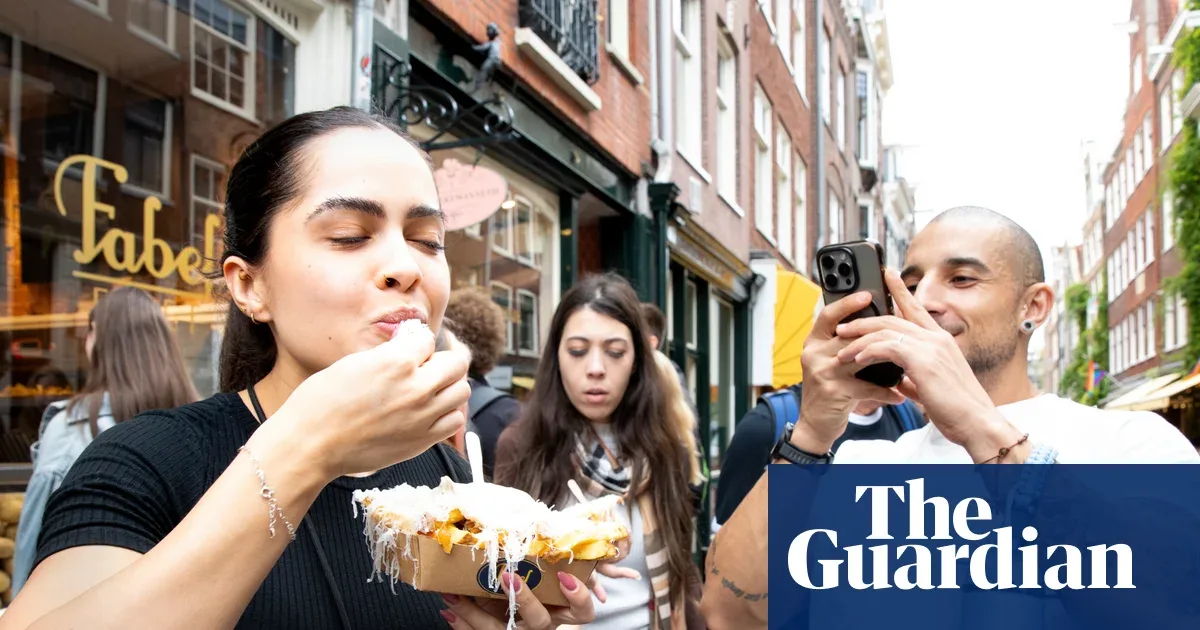
Residents in one of Amsterdam's most prestigious neighborhoods have taken the city government to court. The reason: the operating permit of a chip shop that suddenly went viral on TikTok, Fabel Friet, which they say has turned their residential area into an unruly tourist hotspot.
On busy days, the queue of customers on Runstraat—a narrow street cutting through the Keizersgracht area—stretches across the canal bridge. The court heard that the street is packed with tourists seven days a week, while seagulls lurk on cars, sidewalks, and residents' porches. Thomas van Leeuwen, one of the residents, described the situation as "a kind of war" caused by the unwanted shop.
Nineteen residents have formally objected to Fabel Friet's business permit. The shop is known for its signature product: fries topped with parmesan cheese and truffle mayonnaise. Niek van der Heijden, the lead plaintiff, pointed to the shop's size, which is too small to accommodate customers. "What we call the 'TikTok queue' is the biggest source of nuisance," he said. "All the activity—waiting for orders, being served, and eating—happens on the street. We want Fabel to move to a place big enough to seat customers inside."
In a packed hearing on Tuesday morning, the Amsterdam city government's lawyer acknowledged that Mayor Femke Halsema has the authority to refuse a business permit if a residential area is negatively affected. Although the shop was deemed to have met its permit obligations—managing the queue and cleaning up trash—the lawyer stressed, "The impact is still severe, and we have to ask: how long can we tolerate this?" He said that for the next permit, the city will follow the court's ruling.
Fabel Friet's owners, Abel Klatser and Floris Feilzer, deny negligence. They claim to hire cleaning services seven days a week, four times a day, and recorded a 23% year-on-year drop in visitors last August after opening four new outlets. Their lawyer, Gertjan Teeuwen, said only a handful of neighbors experience nuisance, while other customers enjoy the product. "It can get busy, but there are ups and downs," he said. In a public statement, Klatser and Feilzer said they felt unfairly attacked. "Fabel Friet is our child, and we have poured our hearts into it," they said.
The case goes beyond complaints about performative tourism—the phenomenon of tourists flocking to a place for social media content. Lisa-Bobbie Kamp, the residents' lawyer, argued the issue concerns public space. "Tiny streets may be charming, but the space was not designed for so many people," she said. "This is about who has the right to space, and whether public space can simply be used that way."
Marije Peute, a University of Amsterdam doctoral researcher studying "viral urbanism", said the city government needs to take a stance soon. "Many old shops are losing local customers because people are reluctant to come there again," she said. Meanwhile, Rogier Havelaar, a city council member from the Christian Democratic Party, reminded that the benefits of tourism cannot be ignored. "Amsterdam would not have so many museums, restaurants, and theaters if they were only for residents," he said. "Tourism provides 70,000 jobs. The city would face major financial problems if tourism disappeared."
On the Keizersgracht bridge, several German lab interns who came because of TikTok appeared to enjoy their fries. Natalie Stübben said crowd control officers had just asked them to move away from residents' homes. "It is indeed hard to pass by car or on foot," she said. "We don't mean to disturb anyone, but the request makes sense."
Van Leeuwen hopes the court ruling on November 12 will end what he calls the tourism "parasite industry". "There is something very worrying when these people are led by a higher power—the influencers—and call themselves followers," he said. "It is Orwellian."
The case is a test for global cities facing overtourism pressure driven by social media algorithms. If the court sides with residents, a precedent will be set: public space can be restricted for the comfort of inhabitants. But if Fabel Friet is allowed to stay, the signal is clear—as long as there are crowds and viral content, business will go on. Will other cities follow Amsterdam's lead, or seek a middle ground before similar conflicts erupt?