Study: Short Walking Breaks Beat One Long Session for Blood Sugar Control
Baca dalam 60 detik
- Riset anyar dari University of Colorado menemukan bahwa memecah waktu duduk dengan jalan cepat beberapa menit setiap jam menghasilkan perbaikan regulasi glukosa yang lebih baik dibandingkan satu sesi jalan kaki 45 menit.
- Partisipan yang rutin berjalan singkat mencatat kenaikan proporsi waktu dalam rentang glukosa target dari 82% menjadi 94%, sementara kelompok yang berjalan sekaligus justru mengalami penurunan dari 89% ke 80%.
- Temuan ini menegaskan bahwa distribusi aktivitas fisik sepanjang hari sama pentingnya dengan total durasi olahraga, membuka jalan bagi strategi intervensi gaya hidup yang lebih aplikatif, terutama bagi pekerja kantoran.
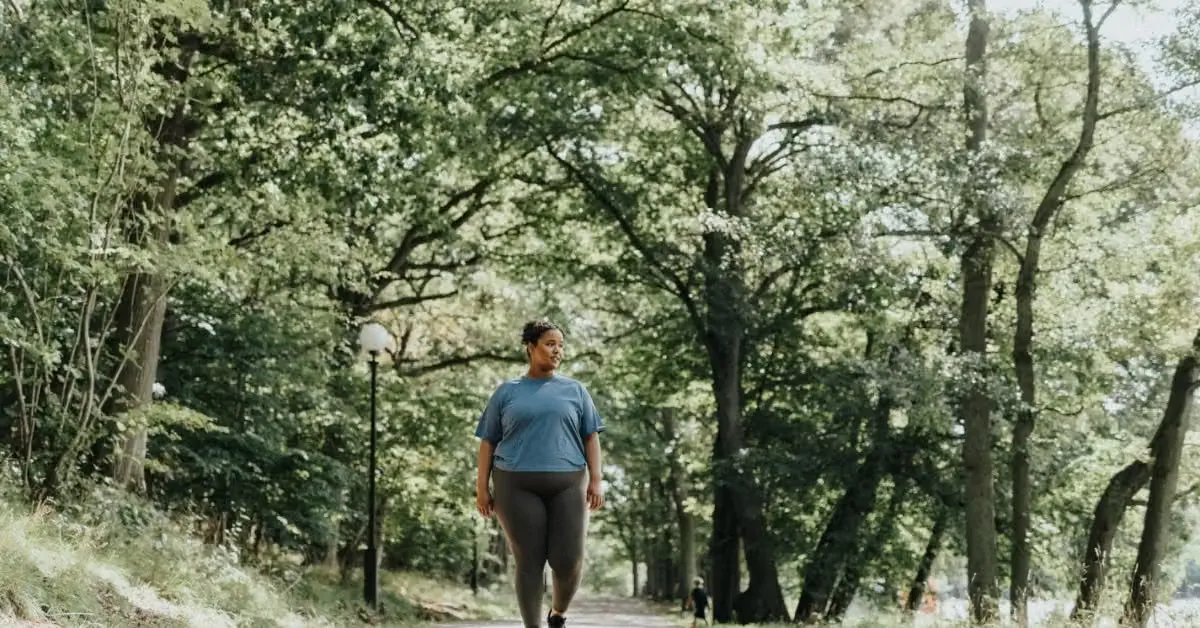
A controlled clinical trial published in the journal Obesity found that inserting a few minutes of brisk walking between periods of sitting produced more pronounced improvements in glucose regulation than completing an entire exercise session in one block of time. The findings challenge the common habit of relying on a single intense workout session to compensate for eight hours of sitting at the office.
The research, led by a team from the University of Colorado Anschutz Medical Campus, involved 30 adults with overweight or obesity who reported sitting more than six hours a day. Over six weeks, they were divided into two groups: one group was asked to walk briskly in several short bouts spread throughout the day, while the other group completed a single continuous 45-minute brisk walking session. Both groups targeted the same total activity, namely 45 minutes per day, five days a week.
The results were quite contrasting. The group that split up their walking sessions recorded an increase in the proportion of time within the target glucose range from 82% to 94%. Conversely, the group that walked all at once actually saw a decrease from 89% to 80%. The first group also showed lower glucose fluctuations, indicating their blood sugar levels were more stable throughout the day.
According to corresponding author Audrey Bergouignan, a professor at the University of Colorado and France's CNRS, the findings show that how physical activity is distributed throughout the day is as important as the total amount of exercise performed. She emphasized that their study is the first to demonstrate this benefit under real-life conditions, not merely in the laboratory over a few hours.
"When muscles contract, they can take up glucose from the bloodstream without requiring insulin. Short walks performed repeatedly activate large muscle groups and stimulate glucose uptake, thereby helping the body manage blood sugar spikes after meals," Bergouignan said, as quoted by Medical News Today.
Interestingly, the improvement in glucose regulation occurred without measurable changes in insulin sensitivity. Bergouignan suspects other mechanisms are involved, such as increased blood flow and vascular shear rate that make it easier for glucose to reach skeletal muscle tissue. Activation of pathways dependent on repeated muscle contraction is also thought to play a role, although her team has not yet confirmed the exact biological pathway.
Despite being promising, the study has several limitations. The number of participants was only 30 and the intervention lasted six weeks, so the results need confirmation in a larger population and over a longer period. The participants were also relatively young, so the findings may not necessarily apply equally to older adults or people with metabolic diseases. In addition, there was no control group without exercise, and participants' diets were not controlled during continuous glucose monitoring.
For office workers in Indonesia, the findings offer a relatively easy strategy to implement without special equipment or gym membership. A short walk between meetings, choosing stairs over the elevator, or walking while taking phone calls can be simple ways to break up long periods of sitting. However, the researchers caution that movement breaks are not a substitute for structured exercise, but rather a complementary practice that reinforces it.
Looking ahead, the remaining question is how much this improvement in glucose regulation affects the long-term reduction of type 2 diabetes and cardiovascular disease risk. If proven significant, public health recommendations may need to shift from merely targeting exercise duration toward a lifestyle that is more active throughout the day.