Ministry of Religious Affairs Cleans House at UINSA: New Rector Election Accelerated, Amien Suyitno Takes Interim Control
Baca dalam 60 detik
- Kementerian Agama memberhentikan Akhmad Muzakki dari jabatan Rektor UINSA Surabaya dan menunjuk Amien Suyitno sebagai Pelaksana Tugas.
- Langkah ini diambil setelah gelombang protes mahasiswa yang menyegel kampus menolak pelantikan kembali Muzakki untuk periode 2026–2030.
- Pemulihan kegiatan akademik dan percepatan pemilihan rektor definitif menjadi ujian kredibilitas tata kelola perguruan tinggi keagamaan negeri.
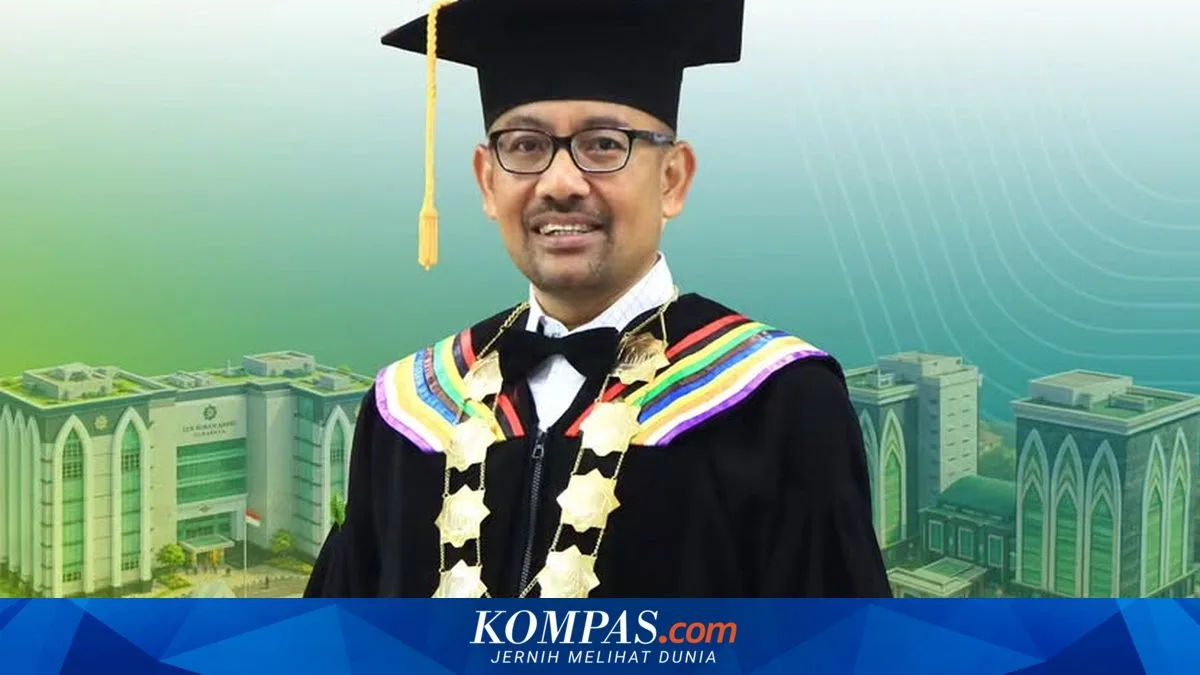
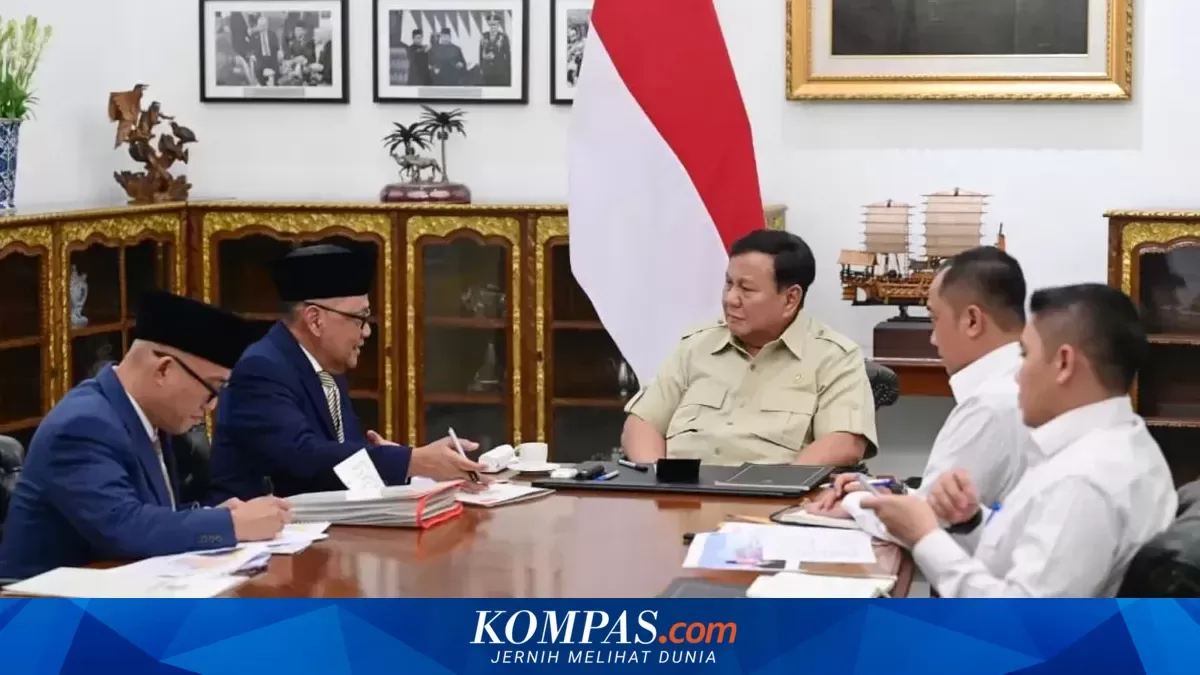
The Ministry of Religious Affairs has officially ended Akhmad Muzakki's term as Rector of Universitas Islam Negeri Sunan Ampel (UINSA) Surabaya through Minister of Religious Affairs Decree Number 060729 MA.KP.07/09/2026. The decree follows a wave of student rejection over Muzakki's reinstatement for a second term—2026 to 2030—which students said ignored the mechanism and the aspirations of the academic community. As an interim replacement, Minister of Religious Affairs Nasaruddin Umar appointed the Director General of Islamic Education, Amien Suyitno, as Acting Rector.
The appointment refers to Minister of Religious Affairs Regulation Number 17 of 2021, which governs the procedures for appointing and dismissing rectors of state religious higher education institutions. The move marks a new chapter in resolving the leadership dispute at one of the largest Islamic campuses in eastern Indonesia, while also testing how far the Ministry of Religious Affairs can enforce accountable governance in higher education.
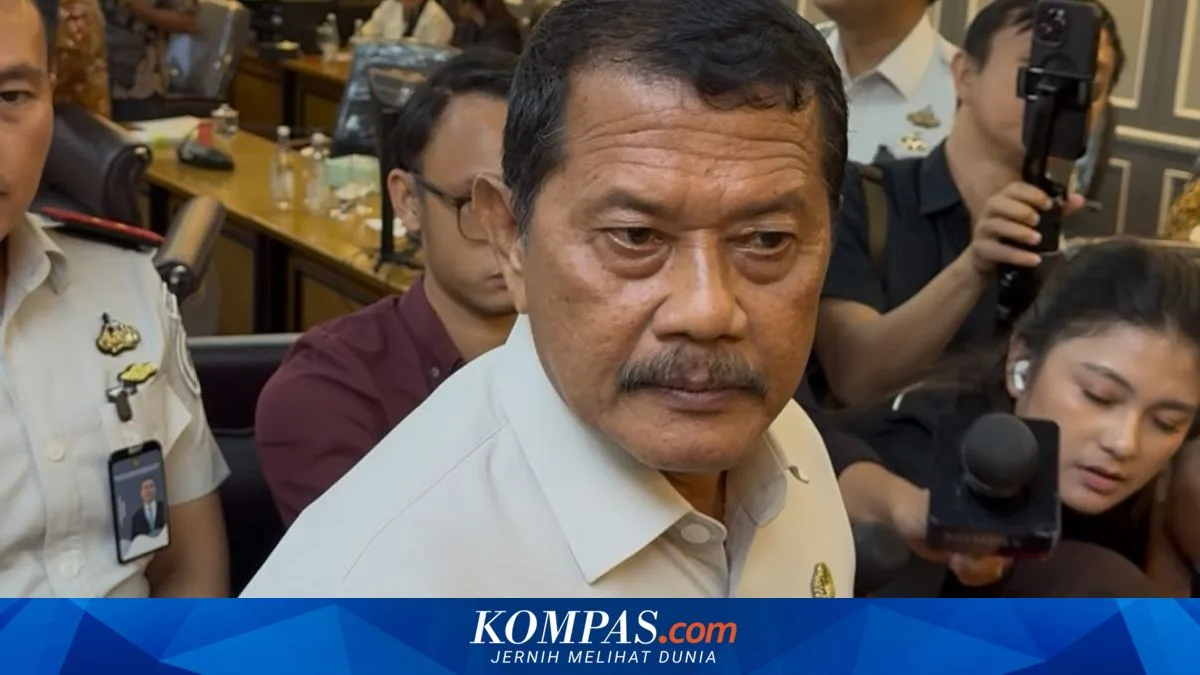
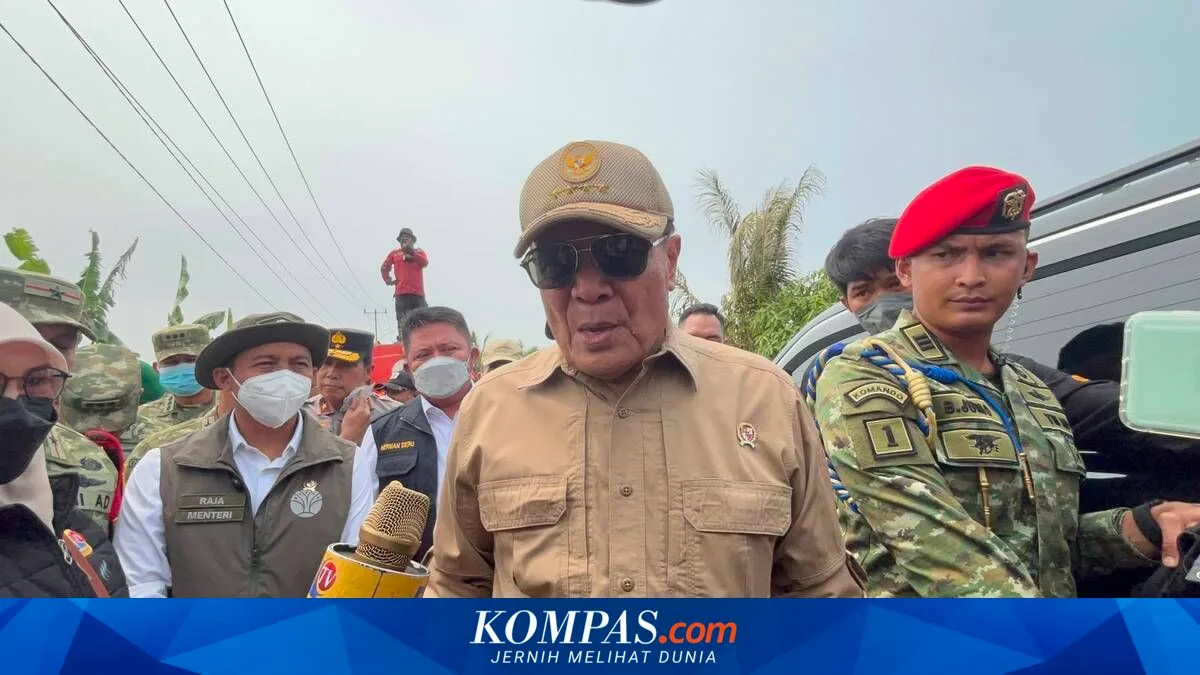
In a public hearing with Commission VIII of the DPR RI, Nasaruddin did not hide his frustration over how the process unfolded. He called the incident a dark mark on his leadership of the Ministry of Religious Affairs and offered a direct apology. That admission signals that the UINSA issue is not merely an internal clash, but a reflection of weak verification and oversight in the process of selecting campus leaders.
"In my entire history at the Ministry of Religious Affairs, this is the first time I have been caught off guard, and I sincerely apologize for it," Nasaruddin said at the forum.
Since his appointment, Amien Suyitno has moved quickly to map the academic situation together with the Ministry of Religious Affairs Inspector General, Khairunas. They met with professors to gather input on learning that had been disrupted, especially activities requiring laboratory work and direct interaction. Their main priority is to ensure students can return to studying calmly and lecturers can carry out their duties without obstacles.
"The most important thing is how academic activities can get back on track. Students must be able to study calmly, lecturers can carry out their duties, and academic services can return to optimal levels," Suyitno said in an official statement on Monday (28/9/2026).
Even so, recovery cannot stop at the operational level. The Ministry of Religious Affairs stresses the importance of open communication with the entire academic community, including the students who drove the protests. Without their involvement, the restructuring process risks generating new resistance and prolonging uncertainty at the campus, which has thousands of students.
Indonesian Context: A Test for Religious Campus Governance
The UINSA case highlights a structural problem that often arises at state religious higher education institutions: a rector selection process that is not transparent and offers minimal participation. For the Indonesian public, especially investors and professionals watching the education sector, this incident is an important indicator of the governance quality of public institutions. When internal mechanisms fail, ministry intervention becomes the last resort—a pattern that should no longer be the norm.
Accelerating the election of a definitive rector is crucial. If the Ministry of Religious Affairs can deliver a clean, open process that meaningfully involves the university senate, UINSA could become a model of governance reform. Conversely, if the next election is again mired in controversy, public trust in religious higher education could erode further.
The question now is: will the Ministry of Religious Affairs turn this case into a turning point for fixing the rector selection system across all state religious higher education institutions, or is it merely a temporary fix that delays similar problems from recurring at other campuses?