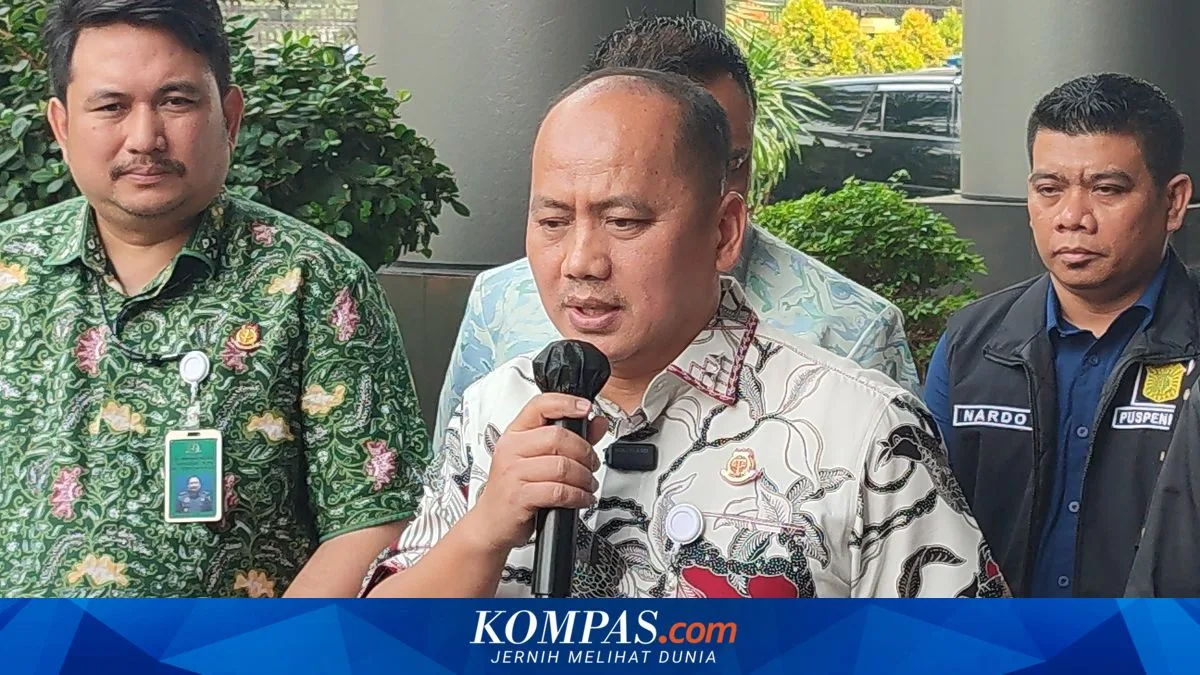
Asset Forfeiture Bill: A Powerful Anti-Corruption Weapon or a Boomerang for Citizens?
Baca dalam 60 detik
- RUU Perampasan Aset memberi negara kewenangan besar untuk mengambil alih harta warga tanpa proses pidana, memicu pertanyaan tentang pengawasan.
- Rentetan skandal integritas di kepolisian, kejaksaan, KPK, dan pengadilan menunjukkan kerentanan struktural, bukan sekadar ulah oknum.
- Jika disahkan tanpa penguatan pengawasan, regulasi ini berisiko menjadi alat represi dan menakuti investor, bukan memberantas korupsi.
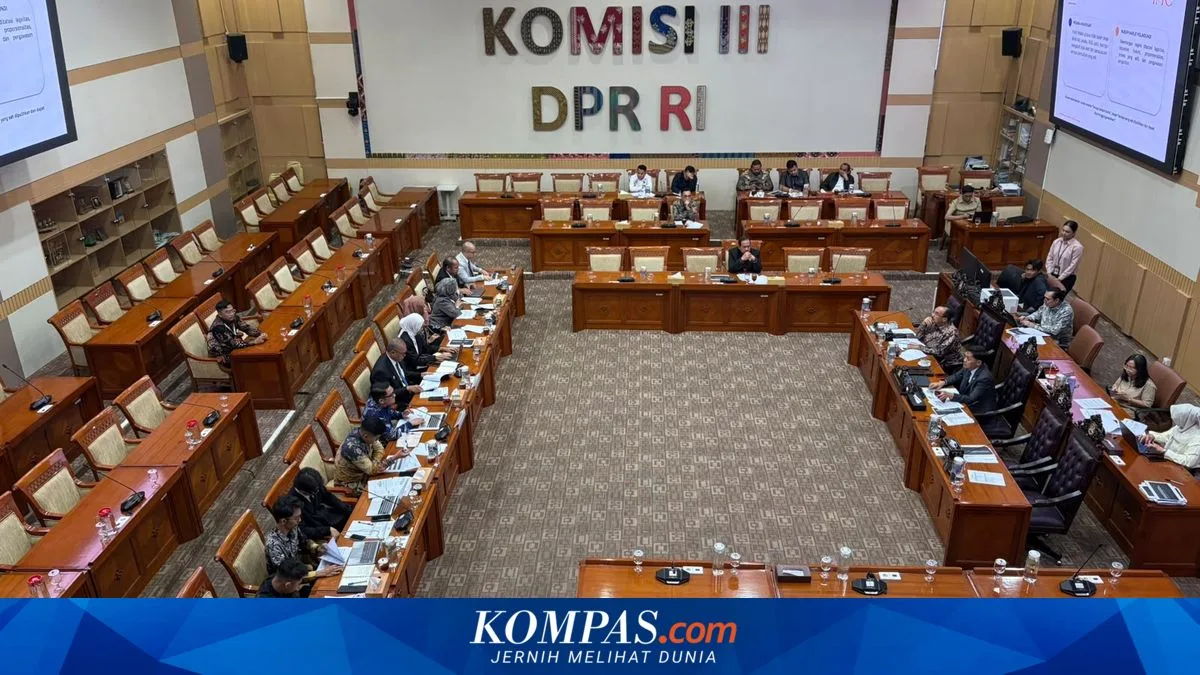
The passage of the Asset Forfeiture Bill has resurfaced as the ultimate solution to impoverish corruptors and recover state losses. The idea is conceptually noble, but behind the fervent public pressure lies a fundamental question: who deserves such extraordinary authority, and how solid is the integrity of the institutions that will wield it?
This bill, especially one adopting a non-conviction based asset forfeiture scheme, grants the state the right to seize a person's assets without prior criminal proof. The logic is simple: the greater the power delegated, the higher the demand for accountability and competence from law enforcement officials (APH). However, handing a sharp weapon to institutions still grappling with a crisis of trust risks becoming a policy anomaly.
So far, whenever misconduct occurs within law enforcement, the single narrative thrown to the public is that of "rogue individuals". Yet when similar cases keep recurring across institutions—from the Police, the Attorney General's Office, the KPK, the Courts, the Supreme Court, to the Penitentiary—the rogue-individual excuse becomes inadequate. This is no longer an individual problem, but a deep-rooted structural vulnerability.
These facts reveal a systemic erosion of integrity. First, the legal cases ensnaring former KPK leaders indicate that institutional symbols are not automatically immune to abuse of authority. Second, infighting among officials, such as the surveillance of the Jampidsus, shows power dynamics that undermine mutual control mechanisms. Third, the judge bribery scandal in the Ronald Tannur case through Zarof Ricar proves that court rulings can be bought and sold. If legal rulings can be transacted, what guarantee is there that asset forfeiture authority is free from similar practices?
Fourth, the fragility at the execution stage. The discovery of luxury facilities in prisons shows that integrity problems occur throughout the entire judicial chain. The crucial question: who watches the watchers? If the oversight and law enforcement institutions themselves are compromised, where does the public place its trust?
Indonesia actually does not experience a legal vacuum. The Supreme Court already has Perma No. 1 of 2013 and Perma No. 2 of 2022 to govern the handling of assets and objections from third parties acting in good faith. This means that, normatively, an asset forfeiture mechanism already exists, though it may not be as strong as desired. The question is, does this bill truly close the gap, or does it instead create a new one?
For readers in Indonesia, especially businesses and investors, this bill carries direct implications. The legal uncertainty created by asset forfeiture authority without criminal conviction can raise concerns about abuse of power. If law enforcement officials lack adequate integrity, legitimate assets could be seized under forced pretexts. This has the potential to dampen the investment climate and damage market confidence, as investors tend to avoid jurisdictions with high political and legal risk.
On the other hand, this bill could also become a tool to clean up corruption if balanced with strict oversight, transparency, and public participation. However, without fundamental improvements in law enforcement governance, this weapon risks becoming a boomerang. A number of analysts assess that the bill's passage must be accompanied by institutional reform, including a strong checks and balances mechanism, strengthening the role of civil society, and protection for third parties acting in good faith.
Going forward, the big question is no longer whether this bill will be passed, but how to ensure that the authority granted is not misused. The public needs to keep monitoring this legislative process, ensuring that every article is designed for the people's interest, not to strengthen the power of a select few. Without that, we will only be handing a double-edged sword to a trembling hand.