Trump Cuts Nearly Rp15 Trillion From Congress Budget Via Contested 'Pocket Rescission'
Baca dalam 60 detik
- Gedung Putih mengumumkan pemangkasan hampir $1 miliar dana yang telah disetujui Kongres, menyasar layanan imigran dan inisiatif keberagaman.
- Mekanisme pocket rescission dinilai melanggar kewenangan konstitusional Kongres atas anggaran dan memicu kemarahan dari senator Partai Republik maupun Demokrat.
- Langkah ini memperkuat pola ekspansi kekuasaan eksekutif yang berpotensi mengubah lanskap politik anggaran AS dan berdampak pada hubungan dagang global, termasuk Indonesia.
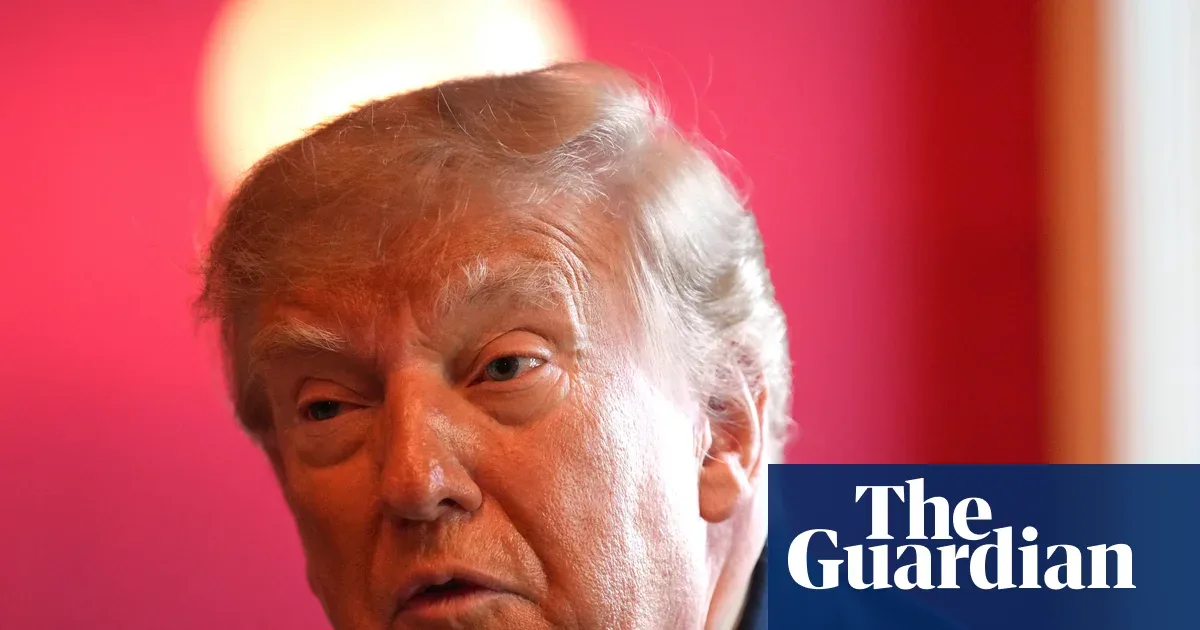
United States President Donald Trump formally canceled nearly $1 billion in government spending previously approved by Congress, a rarely used maneuver that has drawn controversy for targeting services for immigrants and diversity programs. The announcement was made by the White House on Friday, just five days before the federal fiscal year ended, making it difficult for Congress to review the decision.
The Office of Management and Budget (OMB) described the cuts as an effort to target "the most dangerous government spending". The majority of the cut funds were allocated to nonprofit organizations serving refugees and unaccompanied minors deemed to be in the country illegally. The government argued the funds were no longer needed because illegal border crossings had dropped sharply.
What made the move even more sensitive, the White House press release noted that some of the recipient organizations were led by individuals who had previously worked in the administration of Democratic President Barack Obama. That political sentiment underscored that the cuts were not merely fiscal efficiency, but also maneuvering in the ideological arena.
Senator Susan Collins, a Republican facing a tight re-election race and serving as chair of the Senate Appropriations Committee, spoke out. She said the action came without warning or consultation, and vowed to discuss the "illegal action" with colleagues. According to Collins, the delay itself was an impoundment not reported to Congress, as well as a seizure of appropriations power. "OMB is an executive branch agency. They do not have the right to decide which programs deserve funding," she said.
Democratic Senator Patty Murray, vice chair of the appropriations committee, called it "theft from the American people". She stressed the funds were produced by a bipartisan agreement and should help the public, not be cut by a president more focused on building a ballroom than investing in families. Murray also highlighted that every Republican who supported the bill should be angry because their votes were being treated as meaningless.
"This is not merely a delay, but a seizure of Congress's appropriations power. OMB has no authority to determine which programs deserve financing." — Senator Susan Collins
The mechanism used is known as pocket rescission. Normally, Congress can review a presidential rescission proposal before it takes effect. However, by announcing it on the threshold of the fiscal year's end, Trump nearly closed off that review opportunity. The Government Accountability Office (GAO) has stated the maneuver is illegal. Collins viewed it as the latest OMB effort to "erode Congress's constitutional power over the nation's purse".
This move is not the first. A year earlier, Trump issued the first pocket rescission in 50 years by blocking $4.9 billion in foreign aid approved by Congress. The US Supreme Court declined to block that rescission, reasoning that presidential authority in foreign affairs carries substantial weight. Now, Trump is aiming at domestic spending, broadening the scope of the controversy.
This pattern is part of the Trump administration's tendency to expand control over the US government, eroding Congress's power. The administration has also fired federal employees, imposed historic tariff increases, and started a war in Iran without congressional approval, leaving the burden of determining the limits of presidential power to the judicial branch.
For Indonesia, this US budget maneuver is not merely domestic political dynamics. Fiscal uncertainty in Washington can affect foreign aid policy, development cooperation, and global financial market stability. Investors in emerging markets, including Indonesia, need to watch whether the pocket rescission precedent will weaken US budget discipline or instead trigger political deadlock leading to a government shutdown. In addition, cuts to funding for immigrant services and diversity programs could send a signal about the broader direction of US social policy, which in turn affects bilateral relations in education, labor, and human rights.
Going forward, the big question is how far Congress will be able to stem this expansion of executive power. If the Supreme Court again lets this precedent stand, the boundary between legislative and executive authority in the US could shift permanently—a change that will be felt as far as trading partners and strategic allies in the Asia Pacific, including Indonesia.