Michigan Credit Union CEO Loses Job After Posting AI-Made 'Lake America' Sweater Photo
Baca dalam 60 detik
- Jane Smith, CEO Family First Credit Union, diberhentikan setelah mengunggah foto keluarganya mengenakan sweater bertuliskan 'Lake America' yang diedit dengan ChatGPT.
- Unggahan tersebut memicu kemarahan warganet Kanada karena dianggap tidak sensitif, terlebih diunggah pada peringatan 25 tahun serangan 9/11.
- Kasus ini menyoroti risiko reputasi bagi perusahaan akibat penggunaan AI yang tidak bijak dan meningkatnya ketegangan AS-Kanada soal penamaan Danau Ontario.
Jane Smith, former Chief Executive Officer of Saginaw, Michigan-based Family First Credit Union, is no longer employed at the financial institution after a photo of her family wearing sweaters bearing the words “Lake America” spread widely on social media. The photo was an artificial intelligence (AI) fabrication made with ChatGPT, which then triggered a wave of protests from Canadians and ended in her dismissal.
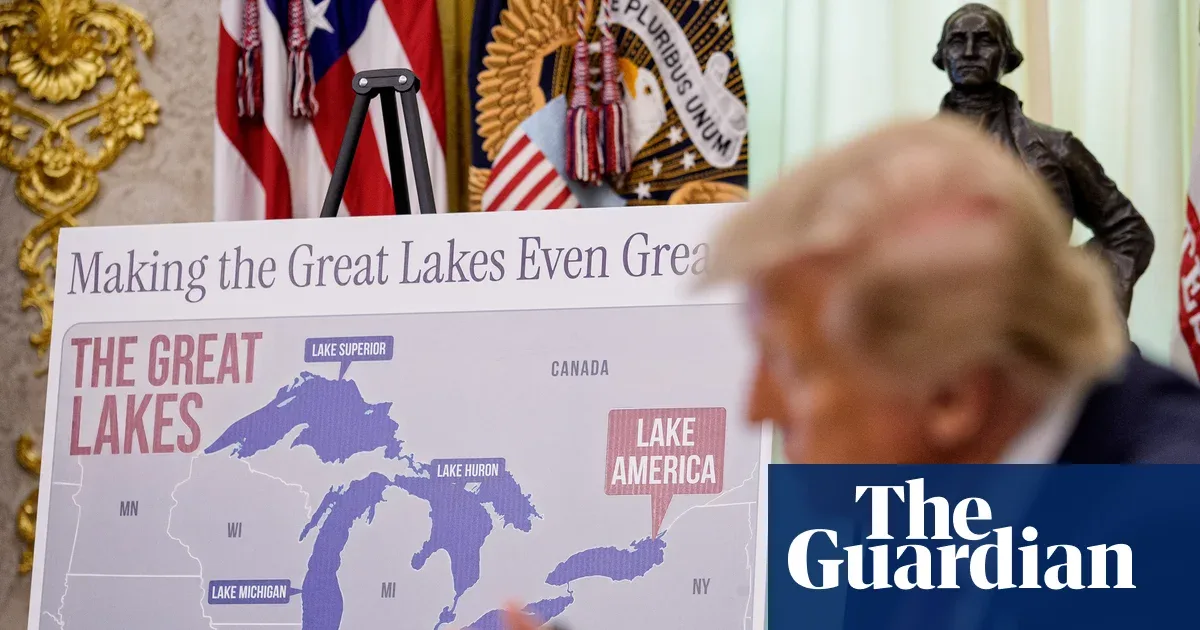
The incident began when Smith posted a photo of her family at Detroit Airport before departing for Halifax, Canada, on September 11—coinciding with the 25th anniversary of the 9/11 terrorist attacks. In her Facebook post, she wrote a joking caption: “Like our sweaters? Not sure Canada will,” ending with “Lol lol”. The sweaters in the photo had been digitally modified to display the words “Lake America”, the name President Donald Trump ordered US federal agencies to use for Lake Ontario since late August.
The post quickly went viral and drew condemnation, especially from Canadian netizens who felt the act disrespected their history and sovereignty. Many highlighted Smith's insensitivity because Halifax had once been the destination for thousands of diverted plane passengers when US airspace was closed on the day of the 9/11 attacks. Criticism poured in, and Smith eventually deleted the post, as reported by CBC News.
Facing public pressure, Smith apologized in an interview with Detroit television station WJRT. She admitted her action was a form of poor judgment and not an attempt to send a political message. “We weren't trying to make a political statement. We were just joking a little” about the renaming of one of the Great Lakes, she said. She also understood the anger of Halifax residents, stressing she never intended to offend anyone. “I regret making people feel unvalued as human beings,” she added.
Despite the apology, Family First Credit Union still took firm action. In its official statement, the institution announced that Jane Smith was no longer employed effective immediately, and appointed Jason Acosta as interim official. “We sincerely apologize for the concern, disappointment, and pain this situation has caused our members and community,” management wrote. They also stressed that the decision was made to preserve member trust and the cooperative's best interests.
“I think if I were in the position of Halifax people and saw a group of people wearing that sweater, it's very offensive and I understand why they're very angry. I never wanted to hurt anyone.” — Jane Smith, to WJRT
This controversy is not merely an individual mistake, but part of broader tensions between the US and Canada over the renaming of Lake Ontario to “Lake America” by the Trump administration. The executive order has no jurisdiction over the portion of the lake within Canadian territory, and cannot force Canada, international legal bodies, or world mapmakers to adopt the new name. Canadian Prime Minister Mark Carney stressed via social media that the name Lake Ontario comes from the language of the Wendat indigenous people and existed long before Canadian Confederation or the US Declaration of Independence. “Canada knows that naming reality means calling it Lake Ontario—then, now, and forever,” he wrote on X.
Several US state governors in the Great Lakes region also rejected the renaming. Michigan, which borders Ontario and four of the five Great Lakes, has no direct border with Lake Ontario; only New York does. This shows that Trump's policy has drawn not only international rejection, but also domestic division.
For Indonesia, this case is a reminder of the importance of cultural and political sensitivity in digital communication, especially for corporate leaders. Using AI to modify images is easy, but without careful consideration, it can trigger a fatal reputational crisis. Amid growing AI adoption in Indonesia's business sector, this incident confirms that technology must not replace ethical judgment and empathy. Companies need clear guidelines on AI use in public content and must ensure that every post reflects corporate values and respects socio-political sensitivities.
Going forward, the question is whether incidents like this will push more organizations to reevaluate their social media policies and AI use, or instead become a precedent that one careless post can destroy a career and damage bilateral relations. What is clear is that the line between joking and offending is increasingly thin in the digital space, and leaders are required to be wiser with every word they share.