Guruh Soekarnoputra Dies: The Artist Who Bridged Bung Karno's Legacy and PDI-P Politics
Baca dalam 60 detik
- Guruh Soekarnoputra, putra bungsu Soekarno, tutup usia di RS MRCCC Siloam Hospitals Semanggi, Jakarta, pada Sabtu (26/9/2026) pukul 04.16 WIB.
- Kiprahnya membentang dari pendirian kelompok seni Swara Mahardika hingga kursi DPR RI periode 2014–2019 dari PDI-P.
- Kepergiannya memunculkan pertanyaan tentang regenerasi peran keluarga Soekarno di panggung seni dan politik nasional.
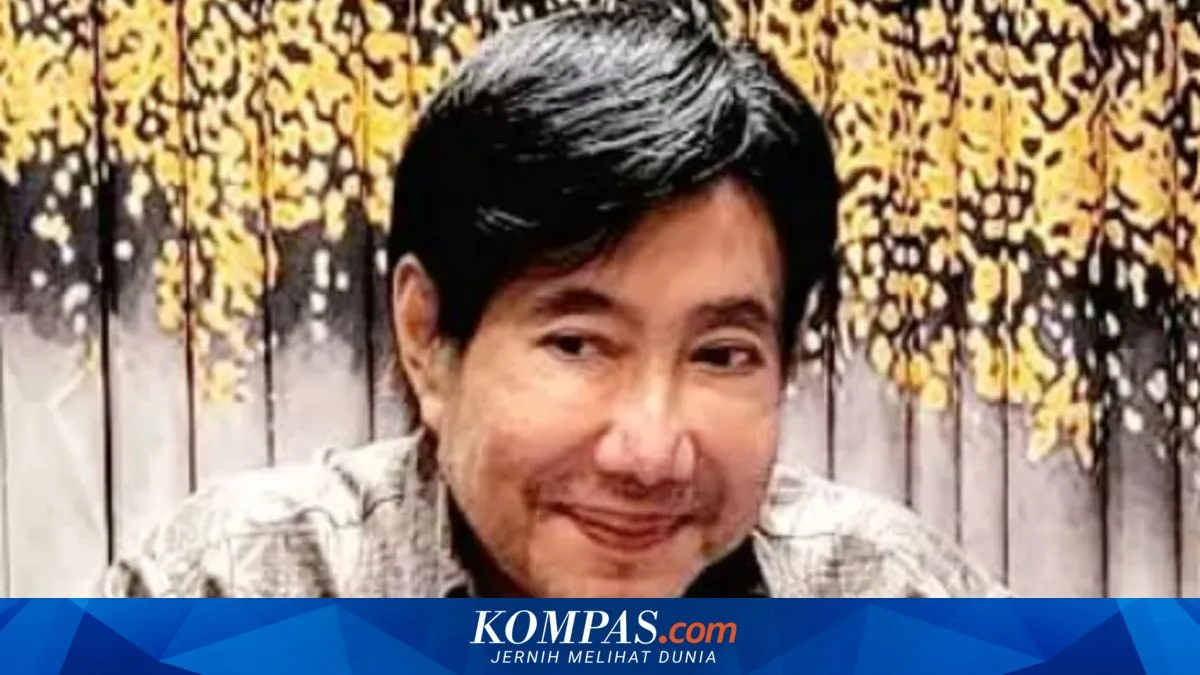
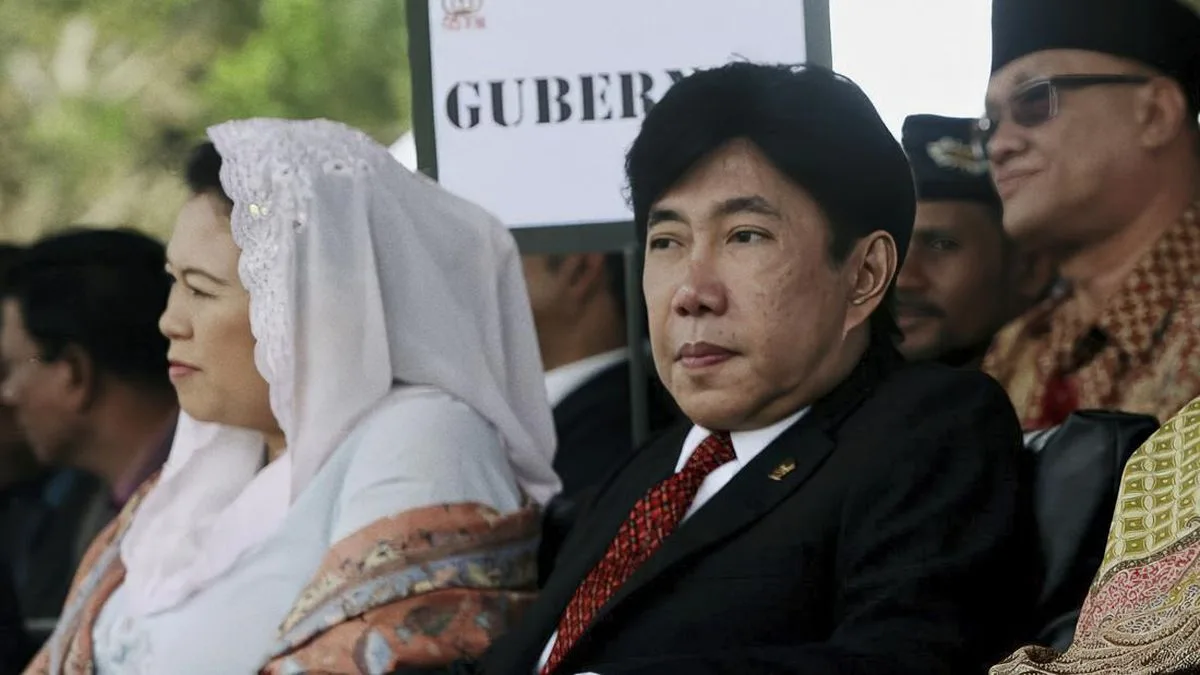
Mourning has enveloped the extended family of Indonesia's first president, Soekarno. Guruh Soekarnoputra, the youngest son of the proclamator, died at MRCCC Siloam Hospitals Semanggi, Jakarta, on Saturday (26/9/2026) at 04.16 WIB. The man whose full name was Muhammad Guruh Irianto Soekarnoputra passed away after undergoing intensive care. He was born in Jakarta on 13 January 1953, making him the youngest of five children of Soekarno and Fatmawati. One of his older sisters is Megawati Soekarnoputri, Indonesia's fifth president and chairwoman of PDI-P.
Guruh was not merely the heir to a great name. He pursued two career paths that rarely intersect: the performing arts and practical politics. From a young age, he founded several arts groups, including Gencar Semarak Perkasa (GSP) Production and Swara Mahardika. Through Swara Mahardika, he embraced musicians such as Keenan Nasution, Abadi Soesman, and Chrisye—names that later became icons of Indonesian music. That move positioned Guruh as a link between the palace's artistic traditions and the popular music industry of the 1970s–1980s.
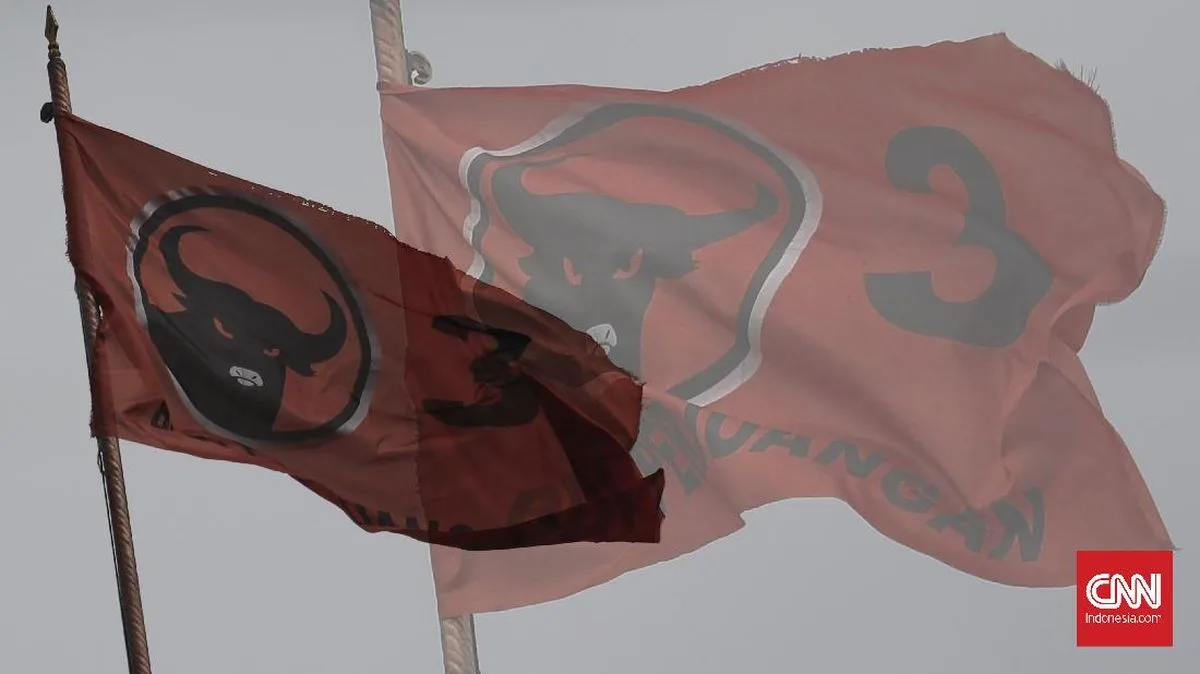
In the legislature, Guruh was elected as a member of the DPR RI for the 2014–2019 term from the East Java VI electoral district. Although he did not stand out in policy debates, his presence strengthened PDI-P's narrative as a party rooted in the history of the proclamation. His dual position as artist and politician meant he was often seen as a guardian of the collective memory of the Soekarno family, especially at party events and national commemorations.
"Guruh was a figure capable of translating Bung Karno's spirit into the language of art, without losing the political context of his era," said a cultural observer who declined to be named.
For readers in Indonesia, Guruh's passing marks the end of a chapter in the Soekarno family's representation in two realms at once. For decades, Guruh's name was a bridge between the legacy of the Old Order and the dynamics of Reformasi. His work at Swara Mahardika, for instance, helped shape a music ecosystem that would later produce major musicians. Meanwhile, in parliament, he became a symbol of the continuity of dynastic politics that remains relevant today.
From the perspective of investors and professionals, this event does not immediately change the national political landscape. However, the absence of a figure like Guruh could affect how PDI-P tends to its traditional mass base, especially in East Java. The East Java VI electoral district he once represented is an important vote bank for the party. Going forward, the regeneration of central figures from the Soekarno family will be a test for PDI-P in maintaining its historical narrative.
The public now awaits whether the baton of Guruh's role—both in the arts and in politics—will be carried on by the next generation. Or whether that space will instead be filled by new actors no longer bound to the bloodline? The answer to that question will determine the direction of Bung Karno's legacy in the future.