5 kW Solar in India Produces 579 kWh, Electricity Bill Still Rp800,000: What's Going On?
Baca dalam 60 detik
- Pemilik rumah di India dengan sistem solar 5 kW dan net metering masih membayar tagihan listrik sekitar Rp800 ribu per bulan meski produksi mencapai 579 kWh.
- Penyebab utamanya adalah konsumsi listrik malam hari yang tidak tercakup panel tanpa baterai, ditambah biaya tetap dan surcharge dari utilitas.
- Fenomena ini menyoroti pentingnya desain sistem, pola konsumsi, dan kebijakan net metering dalam menentukan penghematan nyata dari energi surya.
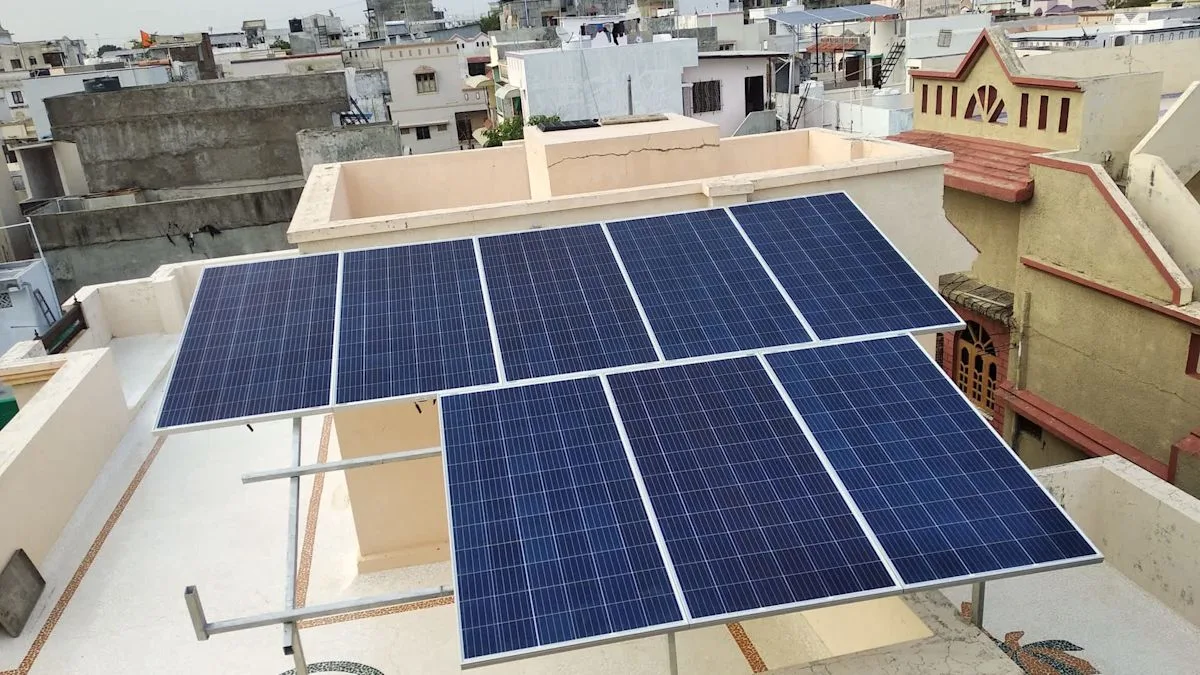
A homeowner in India expressed his disappointment after installing a 5-kilowatt (kW) solar panel system — an investment he hoped would significantly cut his monthly electricity bill. Yet the bill still ballooned. In a Reddit post, he said his home consumes 750–800 kWh per month, while the 5 kW hybrid system without a battery produces only 550–600 kWh. In August, production was recorded at 579 kWh. With net metering already active, he should only need to buy about 200 kWh from the grid. In reality, his monthly bill still hovers around ₹4,000–₹5,000 (about Rp750,000–Rp950,000).
This case is not just a single complaint. It opens a broader discussion about why abundant solar energy does not automatically lower electricity costs. Commentators on Reddit point to one classic problem: the timing mismatch between production and consumption. Solar panels generate the most electricity during the day, while a household's biggest needs — such as air conditioning, lights, and water heaters — are often used at night. Without a battery, nighttime electricity is drawn entirely from the grid, so the bill stays high.
One Reddit user wrote, "If there's no battery, your nighttime consumption isn't covered by solar at all. So if you run the AC, lights, and water heater, all of it gets billed from the grid. Not to mention cloudy weather. 5 kW is the peak output in full sun, not all day long." Other comments highlighted that an electricity bill consists not only of variable costs per kWh, but also fixed charges and monthly surcharges that still apply even when solar production is abundant.
This lesson from India is relevant for Indonesia, which is pushing an energy transition. The Rooftop Solar Power Plant program has been introduced through a Ministerial Regulation of ESDM, but its adoption still faces similar challenges: high upfront costs, system capacity that often falls short of needs, and varying net metering rules. In Indonesia, the net metering scheme is regulated by PLN with an export-import mechanism that can affect actual savings. Without careful planning, users can get trapped in unrealistic expectations.
In addition, Indonesia's electricity tariff uses a block system and a capacity charge, meaning the bill still has a fixed component. If nighttime consumption is high and not offset by a battery, the savings from solar panels can be eroded. Energy analysts consider education about consumption patterns and system design to be key. "People need to understand that solar is not an instant solution. Careful calculation is needed between production, consumption, and local policy," said a renewable energy observer.
To maximize benefits, homeowners are advised to shift the use of large electrical appliances to daytime, monitor the export-import figures on the meter, and consider adding a battery if they want to be truly self-sufficient. In India, the surge in rooftop solar installations reached 125% thanks to the PM Surya Ghar program. However, without proper understanding, a green investment can end up with a bill that still balloons.
Going forward, the question is not only how much panel capacity is installed, but how intelligently households manage energy. Are regulators and electricity providers in Indonesia ready to provide clear incentives and adequate education so that the energy transition does not merely become a new burden?