Leaving Cloud Dependence Behind, This Man Built a DIY Automatic AC Drain Line Cleaner at Home
Baca dalam 60 detik
- Seorang penghuni rumah merancang alat pembersih saluran pembuangan AC berbasis pompa 12 volt dan cuka, tanpa perlu langganan cloud atau aplikasi pihak ketiga.
- Pendekatan ini menyoroti celah pada produk komersial yang dianggap memaksa pengguna terikat ekosistem digital dan kartrid proprietary yang mahal.
- Inisiatif lokal semacam ini berpotensi menginspirasi pasar Indonesia yang menghadapi tantangan serupa: perawatan AC yang sering terabaikan karena repot dan biaya jasa teknisi yang membengkak.
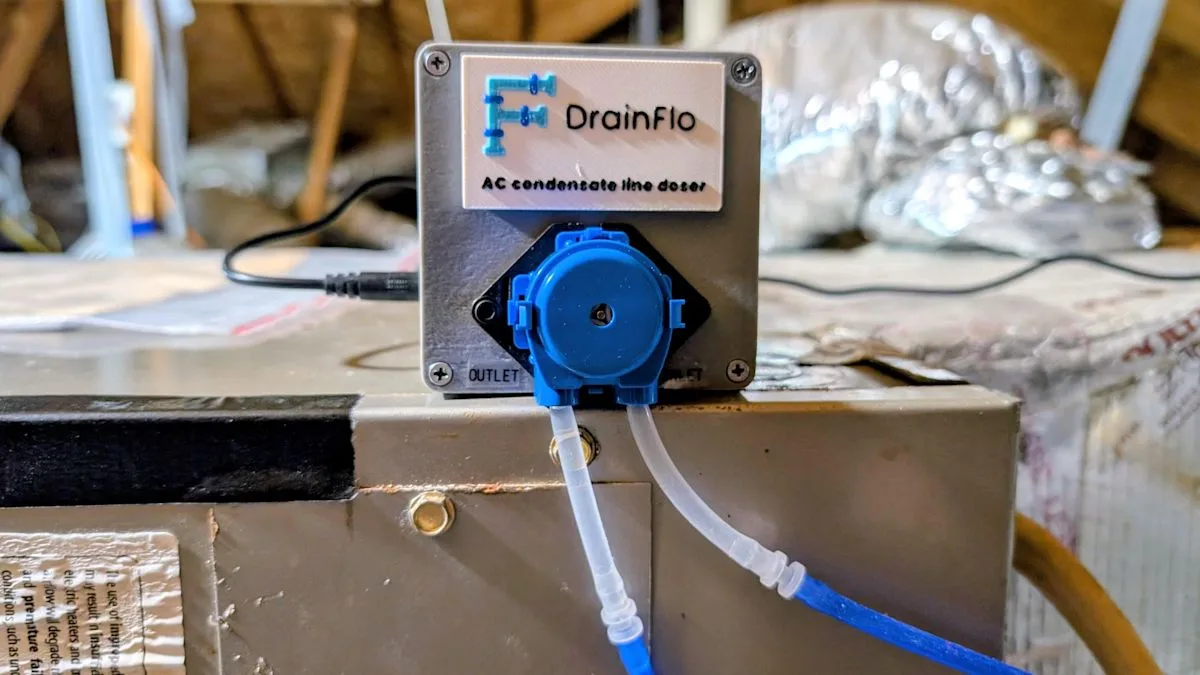
A homeowner in the United States decided to stop climbing into the attic every month just to pour vinegar down the AC drain line. He built his own automated system that runs entirely locally, with no cloud account, no phone app, and no dependence on any company's server.
The device was designed to solve a classic problem: air handlers installed in hot attics make homeowners often postpone routine maintenance. As a result, condensate lines can clog and lead to leaks from overflow. The solution he assembled uses a 12-volt pump inside a 3D-printed box, which draws vinegar from a gallon jug and sends it down the line for a few minutes each month.
According to the builder's account on the Reddit forum, one gallon of vinegar can last more than a year. He refused to buy a commercial product because he felt it forces users to have a cloud account and use proprietary cartridges that cannot be refilled. "This is completely local. No account, no app, no cloud, nothing sending data out. I even disabled the cloud connection on the Shelly relay. If every company involved vanished tomorrow, this thing would still work," he said.
The Reddit discussion then shifted toward differences in AC maintenance needs between regions. Several commenters noted that in hot, humid areas such as Florida, Texas, and the Gulf Coast, cleaning the condensate line is a monthly routine. "Everyone in Florida has to do this every month," one commenter wrote. Another commenter added that slime mold easily accumulates in drain lines in humid climates and needs to be flushed periodically.
However, not everyone agreed. Some said they had never done such maintenance, especially in dry climates. This difference shows that drain line cleaning needs depend heavily on humidity levels, system design, and where the unit is installed. One commenter quoted a technician who called monthly cleaning the "biggest cost saver" because service fees can reach hundreds of dollars and are not covered by warranty.
"Not kidding, my line just clogged because I didn't do this," one commenter said, underscoring the importance of preventive maintenance.
Beyond the technical aspects, the project offers a lesson in safety. To reduce the risk of liquid above the ceiling, the builder placed the vinegar jug inside a larger catch bucket, added a leak sensor at the bottom, and provided a backup cut-off that stops the pump if it runs too long. All print files, documentation, the Home Assistant package, and the ESPHome version were shared via GitHub.
Indonesian Context
In Indonesia, similar challenges are highly relevant. Most homes and offices use split ACs that produce condensate. Their drain lines are prone to clogging from dirt, slime, and mold, especially in high-humidity cities such as Jakarta, Surabaya, and Medan. Many AC users in Indonesia rely on technician services to clean the lines, with varying costs. If left unchecked, a clogged line can cause water to drip onto ceilings or walls, damage paint, and even trigger short circuits.
A local, cloud-free approach like this could be an attractive alternative for Indonesian consumers who are increasingly privacy-conscious and want to reduce dependence on subscription services. However, the main challenges are component availability and technical knowledge. Still, the electronics and smart home hobbyist community in Indonesia continues to grow, especially in online forums and social media. They often share modifications of household devices, from automated lights to irrigation systems.
If widely adopted, automatic AC drain line cleaning systems could reduce long-term maintenance costs and prevent property damage. The government and property industry players may need to consider more affordable and accessible AC maintenance standards, especially for apartments and commercial buildings.
Going forward, the question is no longer whether local technology can replace commercial solutions, but how quickly this kind of component ecosystem and technical guidance spreads to developing markets. Will AC manufacturers respond with self-cleaning features that do not lock users into cloud subscriptions?