Minister of Women's Empowerment and Child Protection Steps In: Sexual Violence Case at South Tangerang International School Must Be a Momentum for Child Protection Reform
Baca dalam 60 detik
- Menteri PPPA Arifah Fauzi memastikan pemerintah mengawal penuh kasus dugaan kekerasan seksual yang dilakukan oknum guru di Sekolah Insan Cendekia Madani, Tangerang Selatan.
- Korban yang kini masih di bawah umur telah menerima pendampingan psikologis dan medis, sementara terduga pelaku dinonaktifkan dari jabatannya sebagai tenaga pendidik.
- Kasus ini mencuatkan urgensi audit menyeluruh terhadap sistem perlindungan anak di lingkungan satuan pendidikan, terutama sekolah swasta berlabel internasional.
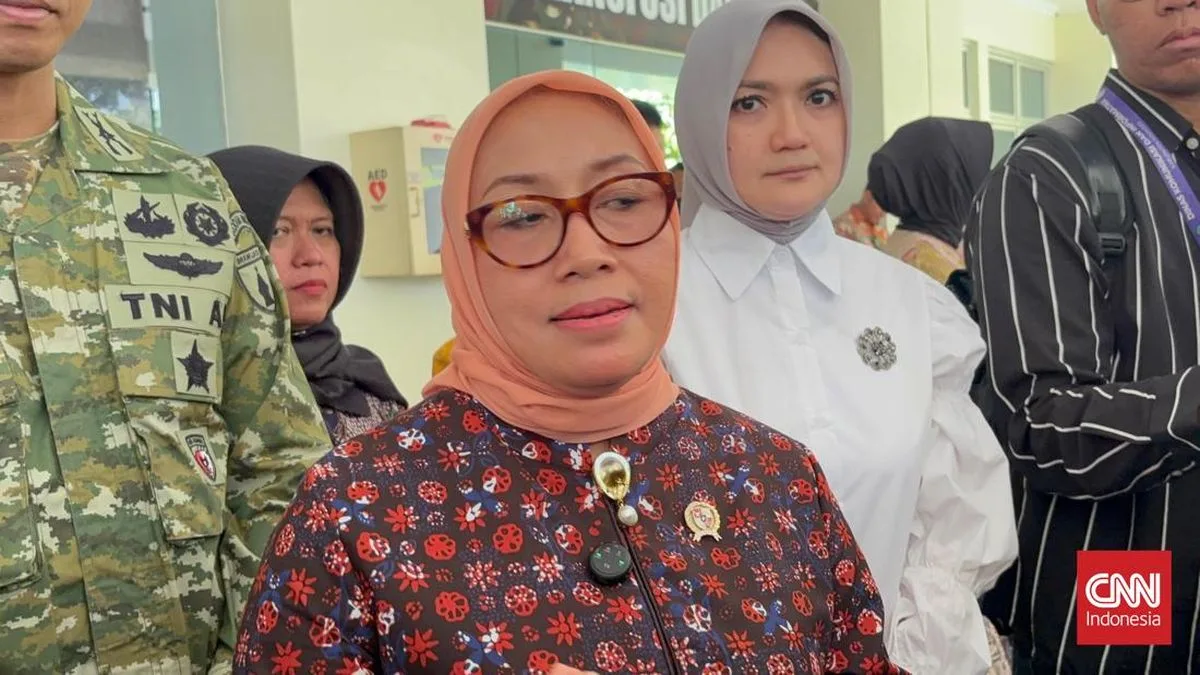
Minister of Women's Empowerment and Child Protection (PPPA) Arifah Fauzi has assured that the government will not remain silent in response to allegations of sexual violence against a child by an educator at Sekolah Insan Cendekia Madani (ICM), South Tangerang. The statement was made after the Ministry of PPPA coordinated with the local Regional Technical Implementation Unit for the Protection of Women and Children (UPTD PPA), investigators from the South Tangerang Police, and the victim's family.
The case came to light after the suspected perpetrator, who is said to have served as the victim's homeroom teacher, was officially reported. Based on information gathered during the investigation, the alleged crime took place over a long period, from 2023 to 2026, while the victim was still in elementary to junior high school. This lengthy timeframe raises serious questions about the effectiveness of the school's internal oversight of interactions between educators and students.
Arifah stressed that the educational environment must be a zone free from all forms of violence. "Violence in the educational environment cannot be tolerated. Schools must be a safe space for children to learn, grow, and develop," she said in an official statement. The statement underscores the government's position of placing child protection as a top priority, even when a case involves an educational institution with a good reputation.
On the legal handling side, the Ministry of PPPA has ensured that the victim, family, and legal team receive comprehensive protection and assistance. Arifah emphasized that the entire process, both investigation and medical examination, must take into account the victim's psychological condition. "The entire handling process must take into account the victim's psychological condition and be carried out by prioritizing the principle of the best interests of the child and avoiding actions that could add to trauma," she stressed.
The state is present to accompany the victim from the handling process, assist the family, ensure access to services, and support the recovery process. The victim must not face this situation alone.
— Arifah Fauzi, Minister of PPPA
Ongoing assistance is the key phrase in the Minister of PPPA's statement. She emphasized that the victim's recovery must not stop at the reporting stage or the legal process alone. Cross-sector collaboration involving professionals, UPTD PPA, law enforcement officials, and other relevant parties is needed to ensure the victim has access to the services required until fully recovered. This approach is in line with the principle of rehabilitation that places the victim as a subject whose dignity and well-being must be restored, not merely an object of proof in court.
The case in South Tangerang is not the first to bring the issue of sexual violence in educational institutions to the fore. In recent years, a number of similar cases have emerged in various regions, from public schools to private educational institutions with an international label. This recurring pattern indicates a systemic gap in prevention and reporting mechanisms at schools. Many victims are reluctant to report because they fear not being believed, feel threatened, or worry about a long and exhausting legal process. When the perpetrator holds an authoritative position such as a teacher or homeroom teacher, the power relation further complicates the situation and makes it difficult for victims to speak up.
In a broader context, this incident is a test of Indonesia's commitment to protecting children from violence. The Child Protection Law has mandated that the state, government, society, family, and parents are obliged to provide protection for children. However, implementation on the ground still faces major challenges, especially regarding internal school oversight and enforcement of sanctions against perpetrators. The Ministry of PPPA itself has limitations in conducting direct oversight of thousands of schools spread across Indonesia. Therefore, the participation of the community, school committees, and local education offices is crucial to building a safe and responsive reporting system.
Going forward, the public will scrutinize how the legal process against the suspected perpetrator proceeds. Will the investigation be transparent and accountable? Will the victim truly receive justice and proper recovery? And just as importantly, will schools in Indonesia immediately conduct a thorough evaluation of teacher recruitment procedures, oversight of educator behavior, and child-friendly complaint mechanisms? Without such structural steps, concerns that similar cases will recur in the future are not excessive.