US Orders to China Surge Ahead of Trump-Xi Summit, Signal of Trade War Thaw
Baca dalam 60 detik
- Survei China Beige Book mencatat lonjakan pesanan dari AS ke level 13 pada September, berbalik dari -12 setahun sebelumnya.
- Perpanjangan gencatan senjata dagang dua bulan dan penundaan tarif overcapacity memberi ruang bagi eksportir China.
- Indonesia perlu mewaspadai limpahan barang China dan peluang relokasi industri di tengah ketidakpastian kebijakan AS.
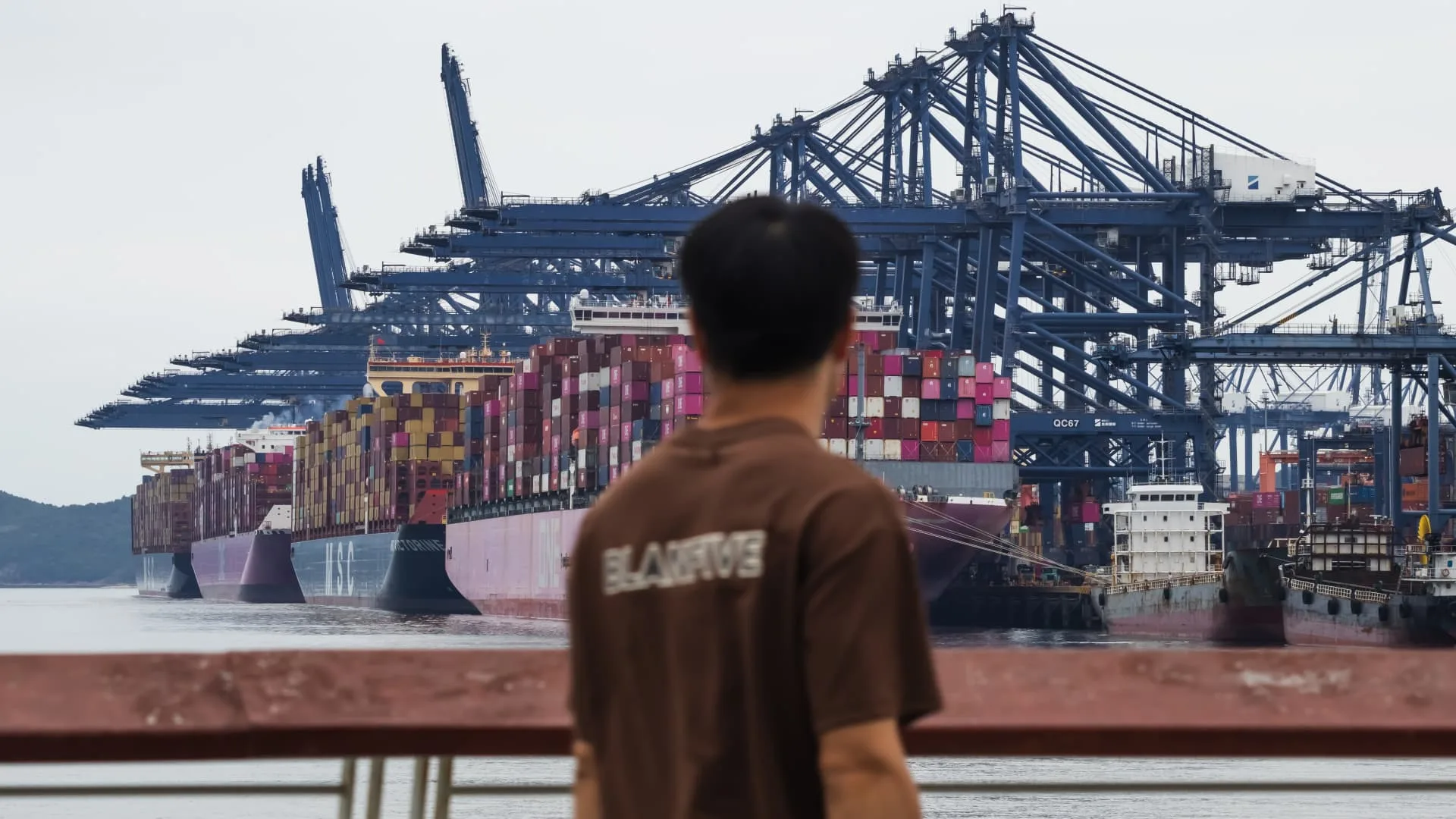
Orders from the United States to China surged unexpectedly in September, just before the summit between President Donald Trump and President Xi Jinping, according to a private survey by China Beige Book released Friday (25/9). The index of orders from the US jumped to 13 from -12 in the same period last year and just 3 in August, marking a sharp reversal driven by China's improved relative tariff position.
The survey of 1,296 Chinese companies on 1–22 September showed shipments to the US rose both month-on-month and year-on-year. However, domestic and overall export orders remained below last year's level, and new orders weakened compared with August. That means the surge is more of a short-term cyclical swing than a broad recovery.
The main trigger is the agreement to extend the trade truce for two months through January, which keeps tariffs low, suspends rare earth export controls, and delays an increase in port fees. Washington is also reported to have postponed the imposition of tariffs tied to industrial overcapacity until at least after the summit. Even so, the effective US tariff on Chinese goods is still around 23%, far above the average tariff for other major trading partners, according to Barclays.
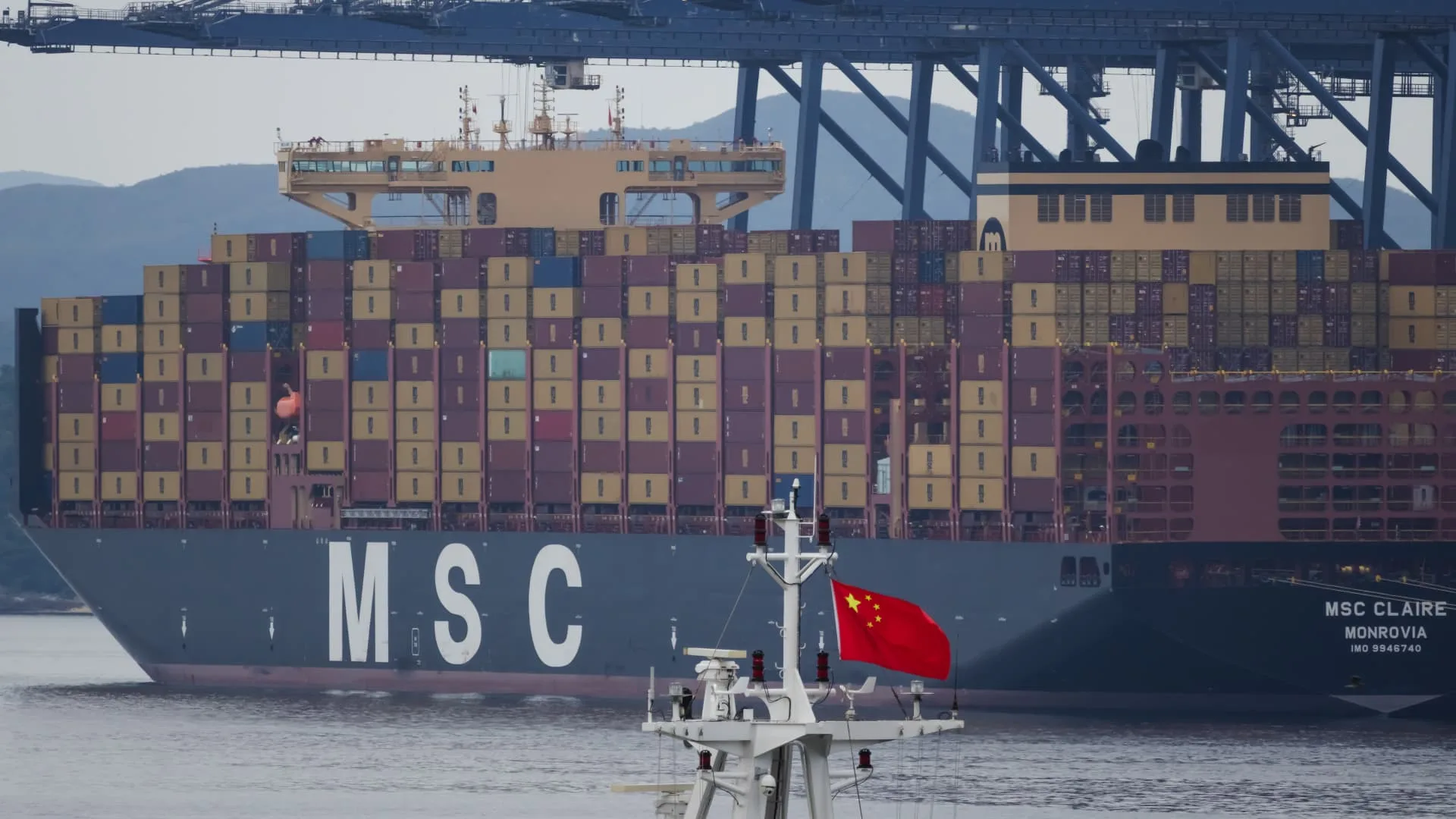
The data aligns with official reports showing Chinese ports recorded their busiest week in history ahead of the summit. Eurasia Group raised the odds of stability in bilateral relations to the highest level since Trump returned to office. "No government has an interest in renewing escalation," said Dan Wang, China Director at Eurasia Group, who expects both sides to press each other for short-term commitments to preserve the fragile stability.
Washington is expected to demand faster rare earth export licenses for US end users and increased purchases of agricultural products. In return, Beijing expects the White House to maintain the delay on arms sales to Taiwan. Follow-up meetings are scheduled at the APEC Summit in Shenzhen in November and possibly on the sidelines of the G20 Summit in Miami in December, though no official bilateral meeting has been confirmed after this week's summit.
For Indonesia, the surge in US orders to China carries two major implications. First, if China is once again flooded with export demand, Chinese manufactured goods not absorbed by the US market could be diverted to Southeast Asia, including Indonesia, tightening competition in the domestic market and pressuring local industry. Second, uncertainty over US tariff policy could push some supply chain relocation to ASEAN countries, an opportunity that must be seized if the investment climate and regulatory certainty are maintained.
The Indonesian government also needs to watch the indirect effects on commodity prices and the exchange rate. The fragile stability in US-China relations makes financial markets vulnerable to shifts in sentiment. Bank Indonesia and the Ministry of Finance are required to maintain fiscal and monetary buffers to anticipate turbulence.
Looking ahead, the key question is not merely whether the truce is extended, but how far both countries are willing to sacrifice strategic interests for short-term stability. If commitments at APEC and the G20 are not realized, the September order surge could be a momentary peak before tensions heat up again.