Michael Kiwanuka Opens Up About the Stroke That Nearly Ended His Career
Baca dalam 60 detik
- Pemenang Mercury Prize itu mengungkap stroke hemoragik yang dialaminya pada usia 38 tahun dan membuatnya harus menjalani perawatan intensif selama berbulan-bulan.
- Ia menekankan pentingnya kesadaran akan risiko hipertensi pada pria Afrika dan keturunan Afrika-Karibia, yang selama ini jarang dibicarakan.
- Album barunya, Fudge, yang sempat tertunda, akan dirilis Oktober mendatang sebagai bentuk harapan dan pemulihan dirinya.
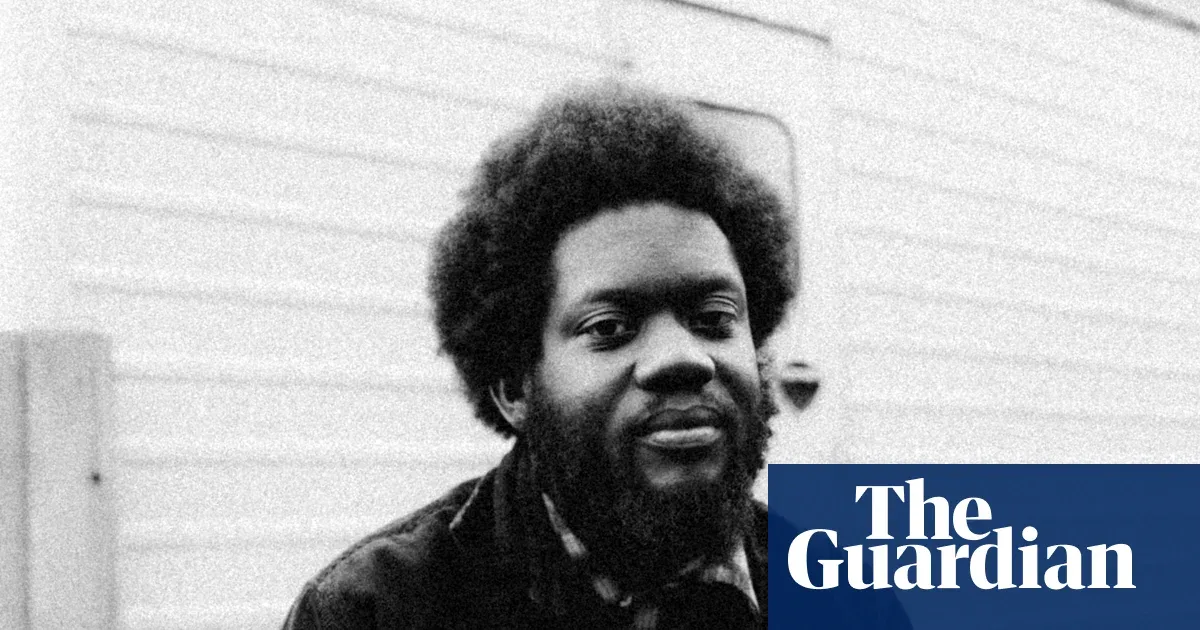
British singer-songwriter Michael Kiwanuka has finally revealed the reason behind his disappearance from the music stage for more than a year. In July 2025, he suffered a hemorrhagic stroke just after returning to Southampton following a run of European concerts. Now, in an exclusive interview, he recounts his recovery struggle and his plan to release his fifth album, Fudge, which had been delayed.
The stroke he suffered was caused by high blood pressure he had never been aware of. Kiwanuka, who was 38 at the time, felt no symptoms before the attack occurred. He underwent emergency surgery and spent months in intensive care to support his breathing. After he was able to breathe on his own, he still had to spend five months in the hospital before being transferred to a rehabilitation center in Hampshire. To this day, he has never been able to return to his home.
In the interview, conducted over two 30-minute phone calls from the rehabilitation center, Kiwanuka was accompanied by his wife, Charlotte. His speech is still slow and halting, but he is determined to speak. “It’s a bit nerve-racking,” he said. “But it also feels like a responsibility. I want to tell people why I’m not there. It’s been a long time. And I think everyone can feel pain and struggle. That’s what unites all humans. So I’m sharing mine with the world.”
Kiwanuka realized he had a higher risk of stroke because of the tendency toward hypertension among African men. That is why he decided to be open. “If I had known, I would have gotten checked and taken medication to lower my blood pressure,” he said. “I wouldn’t have had a stroke. So I want to make Black people aware that you can be at risk.”
Dr Maëva May of the Stroke Association confirmed that the high rates of hypertension and diabetes in African and African-Caribbean communities are stroke risk factors. “We can make sure people get their blood pressure measured earlier, monitor diabetes development earlier, and equip them with the right information to manage their health earlier,” she said. She also added that stroke at a young age, especially among workers with high stress and long working hours, needs more attention.
Before the stroke, Kiwanuka enjoyed great success. His albums entered the UK Top 10, and his third album, Kiwanuka, won the 2020 Mercury Prize. He is also known for his collaborations with producer Danger Mouse. Yet behind it all, he admitted he was exhausted by a packed touring schedule. “Quite a lot of work, quite tiring, but it was all fun,” he recalled.
The creative process for the album Fudge itself began before the stroke. He turned a small studio in Southampton into a space called Dreamers, where he and eight musicians gathered. One song, Love in My Heart, came together spontaneously. “It was like one brain. Almost telepathy,” he said. The album is the first he has produced himself, with a more personal and raw approach.
Even so, listening to Fudge after the stroke gave new meaning to some lyrics. The bluesy song Stars, with the lyrics “I remember when I played I used to feel / Now I don’t feel a thing”, feels more resonant. “It’s a bit more resonant now,” he admitted. The song was written years ago when he felt he had lost his ability to write music.
Rehabilitation is still ongoing day by day. He is deeply grateful for NHS care and the medical professionals. “People have helped, been kind, diligent, and patient,” he said. “But it’s also hard. Daily rehab sessions can be exhausting.” Rehabilitation includes stretching, speech exercises, and physical therapy to restore affected brain pathways. Singing favorite songs by Bob Dylan and the Beach Boys helps him strengthen his vocal cords. Writing lyrics has also become emotional therapy, especially when he has difficulty controlling tears due to brain damage.
Looking ahead, Kiwanuka cannot yet be sure when he will return to performing. All live commitments are suspended indefinitely. But his ambition to keep creating has not faded. “I still have the same drive to create good music,” he stressed. He imagines more collaboration, less travel, and irregular working hours. Fudge, designed to convey optimism and joy, is Kiwanuka’s way of reclaiming the freedom that was briefly lost. “A stroke can take a lot of things, but it can’t take those songs,” he said. “So I have hope from that. Who I am is still in those songs and that music.”
For Indonesia, Kiwanuka’s story is a reminder of the importance of early awareness of hypertension and stroke risk factors, especially among the productive age group. A modern lifestyle full of pressure, lack of sleep, and packed schedules can increase risk. Routine blood pressure checks and stress management are crucial preventive steps. Have we cared enough about the health of our heart and blood vessels?