Apple Reportedly Prepares Screenless Health Band, Targeting 2028 Release
Baca dalam 60 detik
- Apple tengah mengembangkan prototipe gelang tanpa layar untuk memantau aktivitas, tidur, dan kesehatan, dengan target peluncuran paling cepat 2028.
- Langkah ini menyusul kesuksesan Whoop dan Oura yang telah meraup jutaan pengguna dan valuasi miliaran dolar, menandakan pergeseran menuju perangkat kesehatan yang tidak mengganggu.
- Bagi Indonesia, tren ini berpotensi mendorong adopsi gaya hidup sehat digital, tetapi juga menimbulkan tantangan terkait harga, langganan, dan kesiapan infrastruktur data.
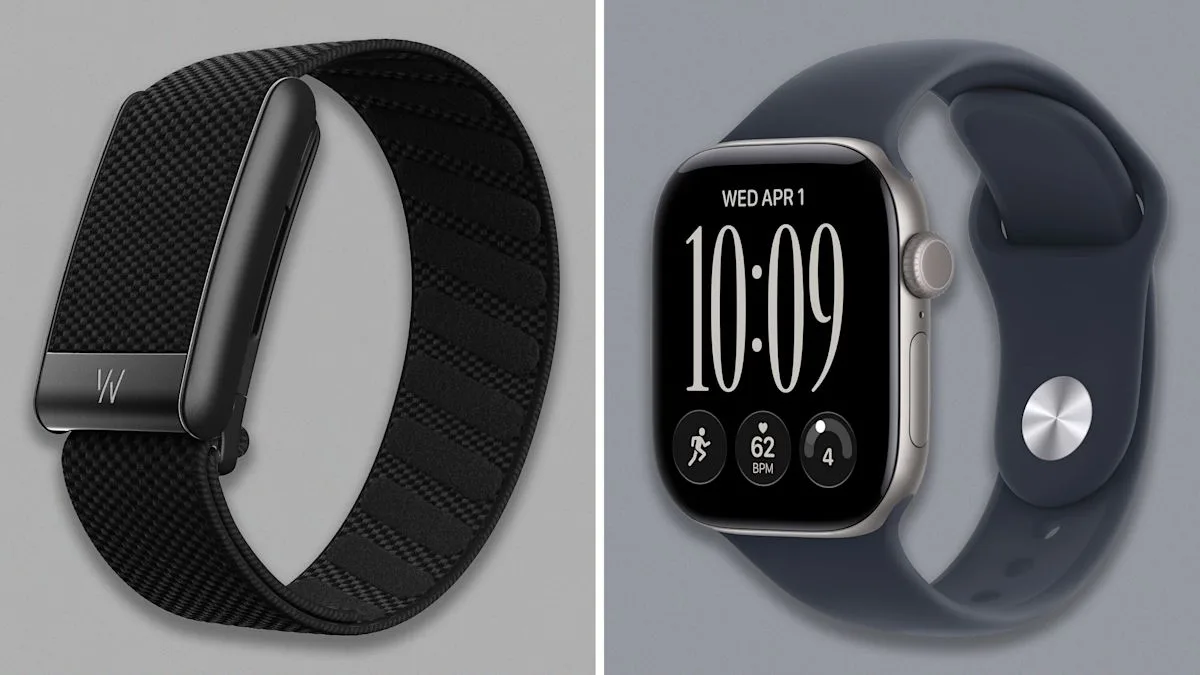
Apple is reportedly developing a screenless fitness band capable of monitoring physical activity, sleep quality, daily readiness levels, and even an estimate of the user's biological age. According to sources cited by Bloomberg, the prototype has gone through months of exploration with backing from top executives, though a commercial launch is not expected before 2028.
Apple's move marks a strategic shift in the wearable device industry. Apple has long been known as a player that enters established markets late, but with polished execution. This time, it is targeting a segment that is on the rise: screenless health devices that offer continuous monitoring without adding visual burden for users.
The screenless device market itself has grown rapidly. Whoop, which pioneered the category in the mid-2010s, now has millions of users, including professional athletes such as Cristiano Ronaldo and LeBron James. Meanwhile Oura, the leading player in the smart ring segment, has launched a fifth-generation product that is 40% smaller than its predecessor. Both offer subscription-based business models, with varying monthly or annual rates.
Screenless devices use advanced sensors such as LEDs, photodiodes, and 3D accelerometers to measure heart rate, heart rate variability (HRV), skin temperature, blood oxygen levels, and sleep patterns. This raw data is sent via Bluetooth to a phone app, which then processes it into daily scores such as stress level, recovery, and readiness. The longer the device is worn, the more accurate the detected patterns become.
"The appeal of wearing a screenless band is that it's like saying, 'I care about my health, but I don't let it control me. I'm not obsessed,'" said Victoria Song, a journalist at The Verge, describing the phenomenon of "wearable silence".
For Apple, entering this category is not without reason. The company has observed that Whoop-style features are starting to be adopted into the Apple Watch and the Health app, such as advanced heart rate tracking and daily readiness metrics. The prototype for this new band is reportedly being developed with input from the team behind the Vision Pro headset, and is said to have a thin fabric strap design with a sensor-packed computing module.
In Indonesia, the trend of screenless health devices is starting to find a place among urban consumers and healthy lifestyle enthusiasts. Although not yet as popular as smartwatches, products such as smart rings and fitness bands are beginning to be sold on local marketplaces. Apple's presence in this segment could expand the market, but it also brings its own challenges: device prices and subscription fees that remain high, as well as awareness of the importance of protecting personal health data.
The Indonesian government, through the Ministry of Health, has pushed for the digitalization of health services, including the integration of data from wearable devices into the national health platform. However, without clear regulation on the ownership and security of biometric data, the adoption of such devices could raise concerns. On the other hand, the arrival of more affordable and easy-to-use devices could be a catalyst for preventing non-communicable diseases, which are increasingly on the rise in the country.
If Apple truly realizes this screenless band, competition in the wearable market will become even tighter. Google with Fitbit, Garmin, Samsung, and a number of local players are predicted to respond with similar innovations. The question is, are Indonesian consumers ready to pay a premium for a device that does not display notifications, but promises deeper health monitoring? Time will tell, but the direction of the industry is already clear.