Ai Weiwei Shows 500 War Helmets in Sydney, Calls for Peace in a Turbulent World
Baca dalam 60 detik
- Seniman Ai Weiwei meluncurkan instalasi publik 'Mushrooms' berupa 500 replika helm perang cor besi sepanjang 40 meter di halaman Museum of Contemporary Art Sydney.
- Karya ini lahir dari pengalaman Ai selama dua tahun mempelajari persenjataan modern dan kunjungan ke garis depan Ukraina, menyoroti absennya kesadaran global terhadap tragedi kemanusiaan.
- Kritik pedas Ai terhadap industri seni yang dianggapnya 90% sampah menjadi refleksi bagi Indonesia untuk mengevaluasi peran seni dalam mendorong perubahan sosial.
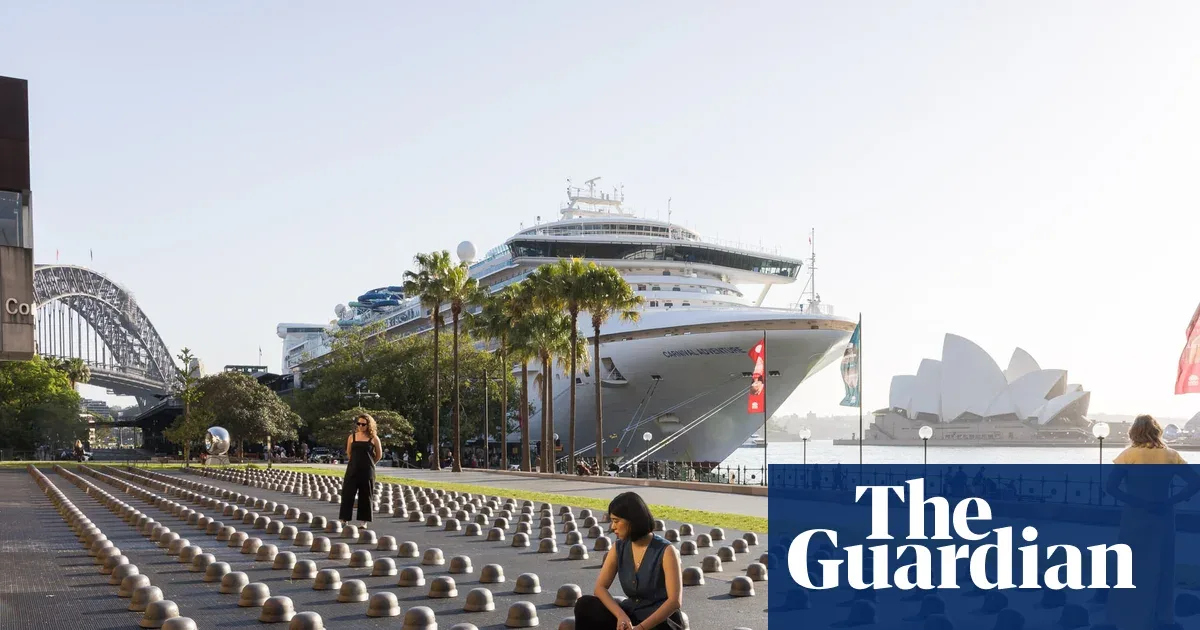
China's most influential contemporary artist, Ai Weiwei, has once again shaken the art world with the opening of his latest public installation, Mushrooms, at Tallawoladah Lawn, Museum of Contemporary Art (MCA) Sydney, Australia. The work is not merely an aesthetic exhibition but a memorial to the harsh reality of war and the moral paralysis of humanity. The 40-meter-long installation consists of 500 identical cast-iron combat helmet sculptures placed on a raised platform, creating a scene that is both disturbing and captivating on the edge of Sydney Harbour.
The title Mushrooms was chosen because the shape of the helmet caps resembles mushrooms, but it also refers to the association of mushrooms with decay, death, and the fragility of life—a sharp metaphor for the impact of war. Ai explains that the idea for the work stems from his personal experience producing the documentary Human Flow (2015) about the migrant crisis, which took him to 23 countries. From there, he realized that the root of dangerous mass displacement is war, particularly the machinery and weaponry of modern conflict.
In an exclusive interview at his farm in Portugal, Ai revealed that he spent two years studying the military world, arms depots, and even who designs bombs and how they are used. One moment that amused him was when Germany offered 5,000 helmets to Ukraine as initial aid. "I laughed," he said. "I thought, wow, interesting. So, at the beginning of the conflict, you could say Germany or Europe did not understand the nature of that war." This statement became the conceptual foundation of Mushrooms, which visually criticizes the half-hearted response to military aggression.
Ai also highlighted the contrast between the beautiful exhibition location and its dark message. In the background, the Sydney Opera House is visible, a symbol of peace and rationality, yet he stressed that we must keep announcing that war is still raging and that peace is a prerequisite for civilization. "That building represents the enjoyment of rational peace... but at the same time we have to announce again that there is a war going on and peace is essential for a civilized society," he said.
"Art today is very corrupt—90% of what we see in most institutions, or in the so-called art circles, I think is just garbage. True art questions the existing order. Art is not about representing so-called beauty, but about questioning existing judgments about everything in politics, life, personal relationships, individual judgments—but this kind of art is never encouraged."
Ai's criticism of an art industry dominated by decorative and sentimental works serves as a mirror for Indonesia's art ecosystem. Amid the growth of galleries and increasingly frequent exhibitions, art that raises social and political issues is often considered less commercial or too risky. Yet, as Ai demonstrates, art that dares to question the status quo can awaken public awareness and drive change. Indonesia, with its long history of struggle and diversity, has fertile ground for works that not only please the eye but also stir the conscience.
Furthermore, Ai's message about human connectivity—that injustice against one person is injustice against all humanity—is relevant to Indonesia's position as the country with the largest Muslim population and a frequent voice for global peace. The work Mushrooms can serve as a reminder that international solidarity is not empty rhetoric but a moral call that must be realized in concrete action, including in foreign policy and cultural diplomacy.
Looking ahead, the question is to what extent public art like Mushrooms can change the way society views war and peace. Will this work be merely a fleeting spectacle, or can it trigger a deeper dialogue about our collective responsibility for humanitarian crises? Ai Weiwei himself never sets a goal; he simply wants to live in a way that naturally catches the light. Yet, through his work, he continues to challenge us not to close our eyes.