Monty Don Leaves Gardeners' World, Longmeadow and Its Gardening Team Face an Uncertain Future
Baca dalam 60 detik
- Presenter senior BBC itu mengungkapkan kontribusi gaji dua tukang kebun profesionalnya selama ini turut ditanggung korporasi, dan sokongan tersebut akan berhenti bersamaan dengan kepergiannya.
- Longmeadow selama 15 tahun menjadi wajah acara berkebun paling berpengaruh di Inggris, sehingga keputusan Don memicu pertanyaan tentang siapa yang menanggung biaya pemeliharaan taman swasta untuk kepentingan siaran.
- Don memberi tenggat hingga pertengahan 2027 untuk mencari sumber pendapatan baru dari taman tersebut, sambil tetap menggarap program perjalanan Island Gardens bersama BBC.
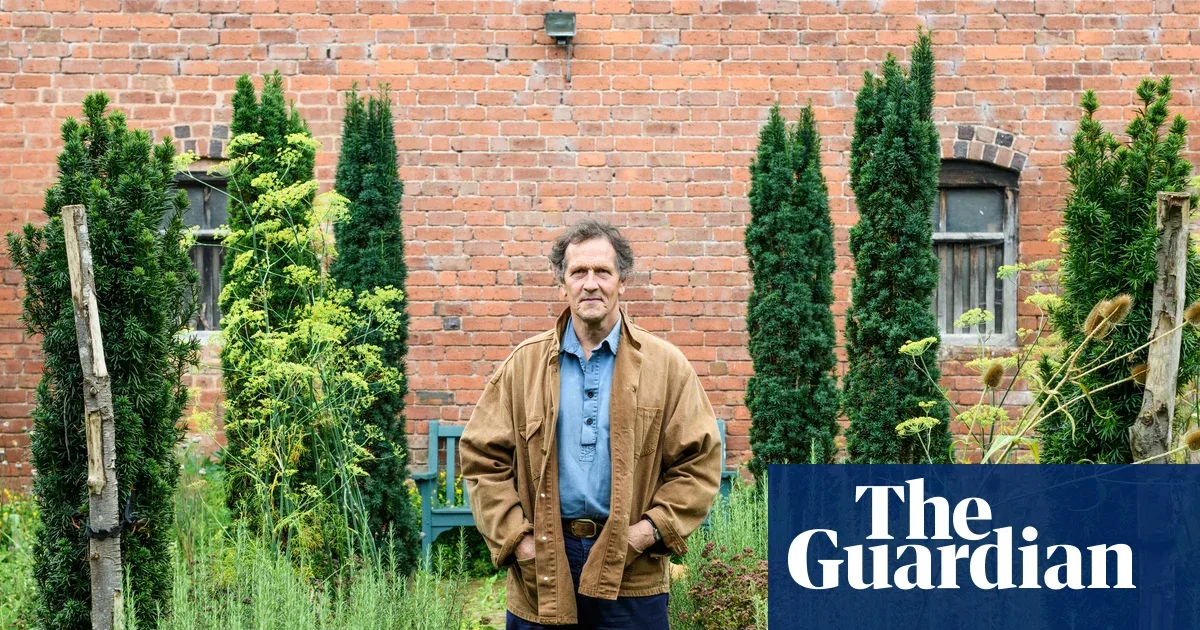
Monty Don, the most recognizable face in British gardening television, has revealed that he will likely have to let go of his two full-time gardeners after leaving Gardeners' World. The statement is his first explanation since announcing his departure from the show he has presented for 23 years.
During a Q&A session at the RHS Malvern Autumn Flower Show, the 71-year-old said his contract with the BBC had required the presence of two full-time gardeners to maintain Longmeadow, his private garden in Herefordshire. Part of their salaries was paid by the British public broadcaster, on the grounds that the garden had to be kept camera-ready at all times.
According to Don, that contribution will automatically disappear once he is no longer under contract with the show. He described the sum as insufficient, but still helpful. "If I'm filming in the Rhine or in India, someone has to get the garden ready," he said, as quoted from his remarks to the audience.
Don's decision to leave the show he has presented since 2011 from his own back garden raises a question rarely discussed in public: to what extent public television covers the operating costs of a private property in the interest of production. For years, viewers have known Longmeadow as an inseparable part of Gardeners' World's identity. The garden is divided into four thematic areas, from a cottage garden filled with shrub roses, a jewel garden with brightly colored flowers, an Islamic-inspired paradise garden, to a vegetable plot that supplies produce for almost the entire year.
"I have two full-time gardeners, and that has been in my BBC contract since day one. They are a great team and we work together very well. I have to think about how to earn an income from this garden, but I can't do that before the middle of next year."
Don stressed that he does not plan to open Longmeadow to the public. His reasoning: the garden is a private space, and managing parking in that rural area would be too complicated. He said the option of commercializing the garden could only be explored at the earliest in mid-2027, meaning there will be a fairly long gap between the end of BBC support and any potential new income.
For the British media and horticulture industry, this case shows how successful television programs often conceal the supply chain of skilled labor behind the scenes. Don's departure is not just about a change of presenter, but also about the sustainability of a small team that has maintained the visual standards of an iconic program for a decade. If the garden is later run commercially, the public may see a new business model combining garden tourism, digital content, and horticultural products.
The BBC itself has not provided detailed information on the continuation of budget support for Longmeadow. What is clear is that Don will still be involved in a number of projects with the broadcaster, including a travel program titled Island Gardens that is reportedly about to enter production. The final series of Gardeners' World that he presents will still be broadcast from Longmeadow until the end of this year.
The question now is whether public television should bear part of the cost of a presenter's private garden for the sake of broadcast quality, or whether, conversely, the presenter should bear the economic consequences of the decision to leave the show. The answer to that dilemma will shape the direction of Britain's most influential gardening program, and set a precedent for similar contracts in the future.