Meta Turns to Threads Playbook to Drive Adoption of Muse AI Agent
Baca dalam 60 detik
- Threads kini menembus 500 juta pengguna, melampaui capaian Twitter saat masih perusahaan publik.
- Meta mengalihkan taktik promosi lintas aplikasi yang sukses untuk Threads guna memperkenalkan Muse, agen AI terbaru mereka.
- Tantangan utama Muse terletak pada ketiadaan konten buatan pengguna yang selama ini menjadi mesin pertumbuhan organik Threads.
Meta announced that Threads, the text-based social media platform launched in 2023, has reached 500 million active users. The figure surpasses Twitter's reported numbers when it was still publicly traded, and marks a shift in the company's strategy from being merely an alternative to a standalone ecosystem. Connor Hayes, who now leads Threads, revealed that the growth did not come solely from users leaving Twitter, but from Facebook and Instagram user bases that had previously been inactive on short-text platforms.
The transfer of control from Adam Mosseri, who previously oversaw Threads, to Hayes signals that Meta is serious about developing the service as a business unit of its own. Hayes explained that the company is now targeting specific communities, mimicking Reddit's approach to building in-depth discussion spaces. "We're trying to get into the space that is a hybrid of Twitter, messaging, and Reddit," he said in an interview at Meta headquarters.
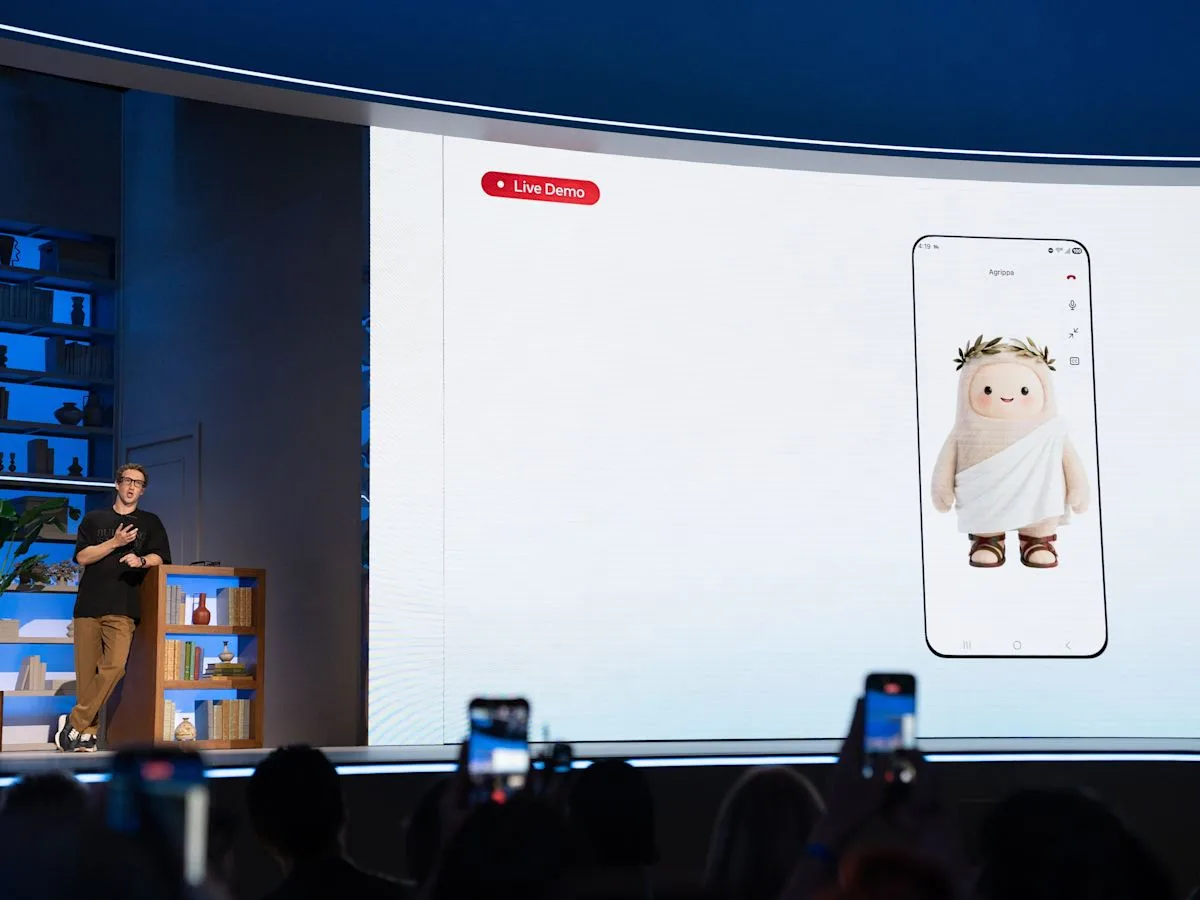
Threads' success is inseparable from aggressive cross-app promotion tactics. Meta leverages account-linking data to recommend Threads content to Instagram and Facebook users as they scroll their feeds. The strategy has proven effective because user-generated content (UGC) serves as an organic growth engine. Now, Meta is adopting a similar approach to introduce Muse, its new AI agent product.
However, Hayes acknowledges a fundamental difference between promoting Threads and Muse. While Threads relies on engaging user content to lure people back, Muse has no UGC base to lean on. "The big challenge is how to use knowledge about your interests to promote this app, without having a base of user-generated content that can do that work," he explained. Meta has thus developed a promotional unit that showcases specific use cases, for instance for football fans, to demonstrate Muse's practical value.
Meta also faces a dilemma regarding AI-generated content. Hayes stressed that the company will not actively police AI content, unlike Substack, which has stated it does not want to become "the next LinkedIn" filled with low-quality AI content. "I believe human-made content will win in driving conversation," he asserted. Nevertheless, Meta will still label content detected as AI-generated, in line with policy on other Meta apps.
"We understand there will be many people who want to use AI to improve their content or boost their presence on the platform. But the best version of this product will come from human-made content." — Connor Hayes, Head of Threads
For Indonesia, Meta's move deserves scrutiny. With more than 100 million Facebook users and tens of millions of Instagram users, the Indonesian market is one of the largest in Southeast Asia. Promoting Muse through Meta's apps could accelerate consumer AI adoption, but it also raises questions about regulatory readiness and AI ethics. The Indonesian government, through the Ministry of Communication and Informatics, is drafting rules on artificial intelligence, including mandatory labeling of AI content. If Meta stays consistent with its approach, users in Indonesia will see similar labels, which could set a precedent for other platforms.
Moreover, Threads' growth in Indonesia is also worth noting. Although there is no official data yet, Threads' popularity among Indonesian youth is quite high, especially after new features such as community topics and Instagram integration. Muse's presence as a personalized AI agent could become a new tool for MSMEs and content creators to interact with audiences. However, without strong user-generated content, the adoption challenge in a market that prefers organic social interaction remains significant.
Going forward, Meta appears set to continue relying on the strength of its cross-app ecosystem to push its new products. The question is whether users will embrace AI agents as part of their daily social media experience, or become increasingly wary of the boundary between human and machine content. In the coming months, the market's response to Muse will be an important indicator for the direction of Meta's AI strategy in Southeast Asia.