Microsoft Touts AI for Wildfire Detection and Easing Doctors' Load, but Flags Ethical Limits in the Classroom
Baca dalam 60 detik
- Brad Smith memaparkan tiga penerapan AI: kamera cerdas pendeteksi api di menara pengawas hutan, peringkas percakapan dokter-pasien, dan pendamping belajar di sekolah.
- Microsoft menggandeng UC San Diego untuk sistem deteksi dini karhutla, serta AFT untuk mencegah ketergantungan emosional siswa pada AI.
- Bagi Indonesia, adopsi AI di sektor publik membuka peluang efisiensi, namun menuntut regulasi etika dan kesiapan infrastruktur digital.
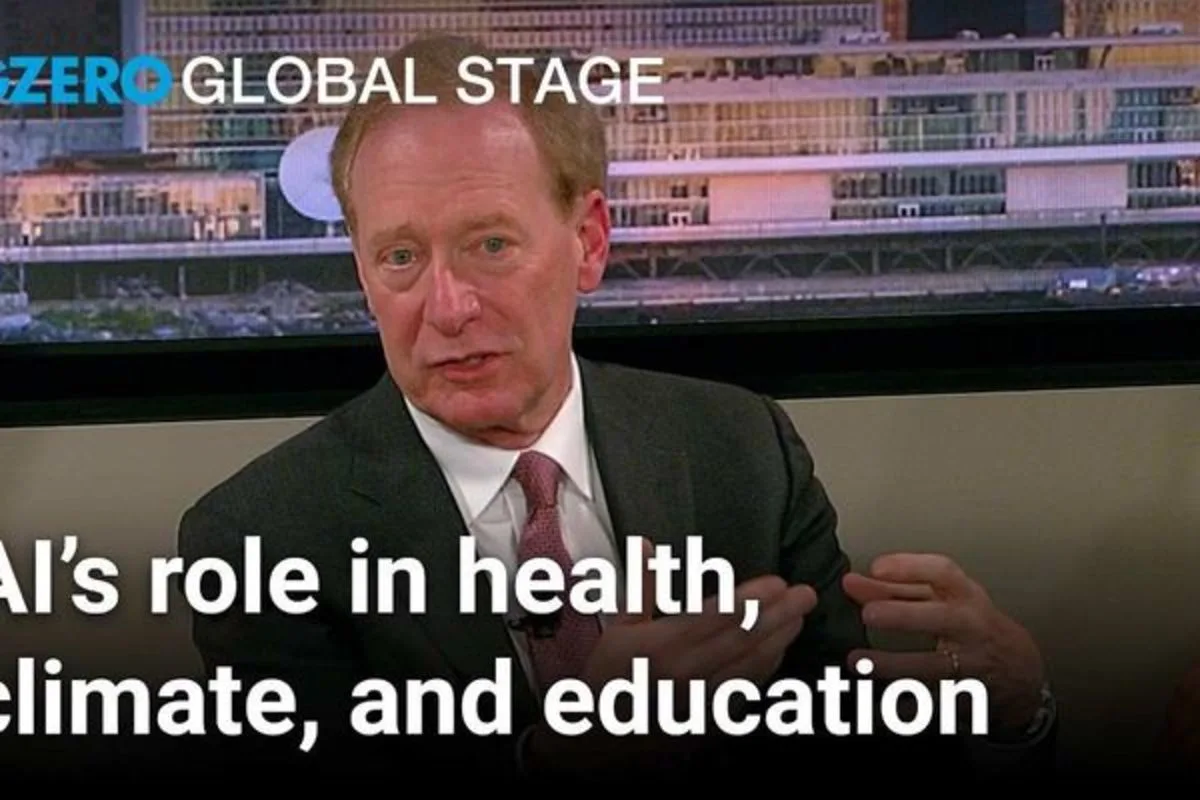
Microsoft has revealed three areas of public services currently being targeted by artificial intelligence (AI) technology: wildfire monitoring, health care documentation, and classrooms. Microsoft Vice Chair and President Brad Smith laid this out during a Global Stage panel on the sidelines of the 81st UN General Assembly, as quoted from a press release published by GZERO Media.
The most prominent is a fire detection system developed with the University of California San Diego. AI-equipped cameras are installed on forest watchtowers to recognize early signs of fire, so emergency response teams can move faster before the flames grow. This approach differs from conventional methods that rely on resident reports or manual patrols, which are often too late.
In the health sector, Smith highlighted AI's ability to generate automatic notes from conversations between doctors and patients. Instead of spending time typing medical records, health workers can devote more attention to clinical interaction. Meanwhile, in education, Microsoft has struck an agreement with the American Federation of Teachers (AFT) to ensure AI devices do not foster emotional dependence among students.
"The most important relationship in the classroom," Smith stressed, must remain between students, teachers, and classmates. Technology, he said, should strengthen human connections, not replace them.
Microsoft's move shows a shift in strategy for the tech giant: from merely selling software to becoming a provider of solutions for public problems. However, the approach also raises questions about privacy, accuracy, and who is responsible when algorithms misread an emergency or medical data.
For Indonesia, the three examples are relevant to domestic challenges. Forest and land fires remain an annual scourge, especially in Kalimantan and Sumatra. An early warning system based on AI cameras could complement the existing integrated patrols, provided that network and electricity infrastructure in remote areas is adequate. In hospitals, adopting AI for documentation can reduce the administrative burden on health workers, which has long been high, but it needs a firmer legal umbrella for patient data protection.
In the classroom, the Microsoft-AFT agreement signals that AI is not merely a tool, but requires ethical governance. Indonesia, which is pushing school digitalization through the Merdeka Mengajar platform, can take a lesson: technology should not replace the teacher's role, but enrich interaction. Derivative regulations from the Personal Data Protection Law and the national AI governance plan will be the test of whether AI adoption in the public sector proceeds without sacrificing citizens' rights.
Going forward, the question is no longer whether AI will enter public services, but how ready the local ecosystem—from infrastructure to human resources—is to welcome it without losing the human touch. Without that readiness, the promise of efficiency could turn into a new burden.