Treasury Yields Surge, Kevin Warsh and the Fed Face an Interest Rate Dilemma
Baca dalam 60 detik
- Pasar obligasi AS menuntut The Fed menaikkan suku bunga lebih agresif setelah yield Treasury melonjak ke level tertinggi sejak 2004.
- Ketua The Fed Kevin Warsh dinilai lebih mengandalkan sinyal pasar dibanding data ekonomi, memicu ketidakpastian arah kebijakan.
- Dampak ke Indonesia: tekanan pada rupiah dan obligasi domestik, sementara Bank Indonesia harus menjaga stabilitas di tengah arus modal global.
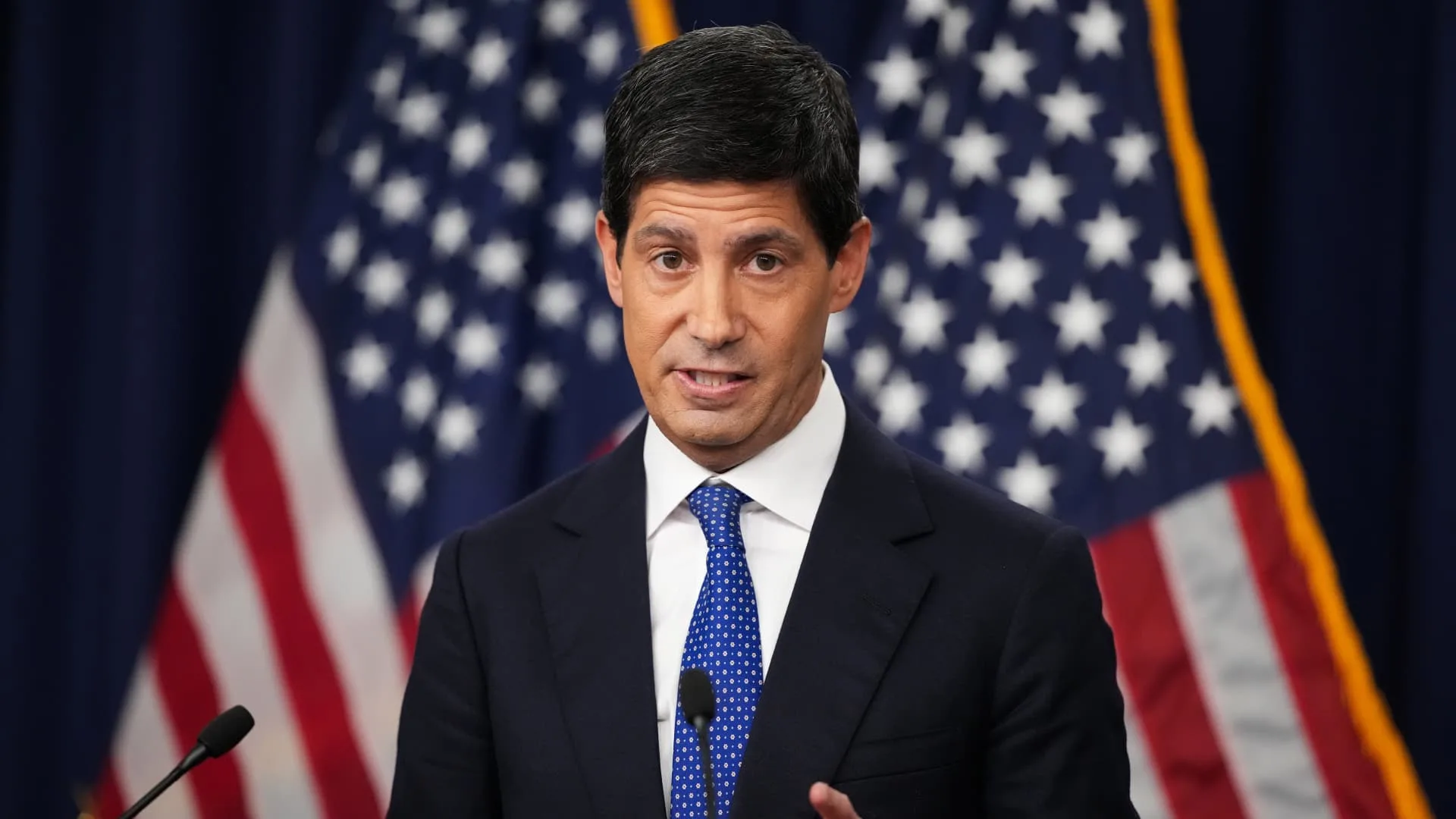
The US bond market is sending a message the Federal Reserve cannot ignore. Treasury yields keep climbing, with the 30-year tenor touching its highest level since 2004, forcing Fed Chair Kevin Warsh and policymakers to consider more decisive steps to curb inflation.
The surge is not without cause. Inflation remains far above the 2% target, energy prices are rising again, and a wave of massive investment in artificial intelligence (AI) as well as global debt issuance are adding pressure. Previously, the Fed tended to dismiss temporary inflation spikes from supply shocks such as energy prices and tariffs. But that narrative has now changed: officials see a more persistent inflation risk.
Market participants are also starting to price in more aggressive rate hikes. In the past day, the probability of a rate hike in October increased, just a month after a quarter-point increase in September. The market also expects a third hike by the end of this year or early 2027, with possible follow-ups in the following months. This is a major reversal from the Fed's June projection, which signaled only one hike this year.
Joseph Brusuelas, chief economist at RSM, believes the Fed is underestimating what is needed to restore price stability. According to him, what is needed is not two or three hikes, but five or six. "The bias should be toward restoring price stability, and they should take seriously what is happening," he said, as quoted by CNBC.
Not everyone agrees, however. Several Wall Street strategists believe the market is jumping to conclusions too quickly. Andrew Hollenhorst, an economist at Citigroup, argues the yield increase is driven more by expectations of stronger economic growth and excessive sensitivity to oil prices amid Middle East tensions. "The rise in yields is not because the Fed is expected to be too dovish, but because real yields are rising as the market prices in higher policy rates," he wrote.
Within the Fed, some officials support a short-term hike but call for caution. New York Fed President John Williams said another hike by year-end would be reasonable, but stressed the need to monitor data before locking in a path of increases. Philadelphia Fed President Anna Paulson also hinted at additional tightening, but described it as "moderate" — not an indication of a long series of hikes.
"The lack of risk guidance puts the central bank in a position where it must choose between a sub-optimal hike and disappointing the market, which risks damaging credibility," said Krishna Guha, head of central bank economics and strategy at Evercore ISI.
Guha believes market expectations are too aggressive, but also sees the Fed's dilemma. Consecutive hikes without clear guidance risk sending an overly hawkish signal that would shift the rate curve unexpectedly. Conversely, skipping a hike already priced in by the market could also trigger a large dovish adjustment.
This conflict is increasingly crucial because Fed Chair Kevin Warsh emphasizes the importance of letting the market help guide policy. This is a major reversal from central bank policy since the 2008 global financial crisis, when the Fed used forward guidance to signal the direction of interest rates. Jonathan Pingle, an economist at UBS, believes Warsh's framework reflects market narratives more than the details of economic measurement. "No Fed Chair has emphasized financial market signals as an input for monetary policy as strongly as Chair Warsh," he wrote.
With the yield surge bringing 30-year bonds to their highest level since 2004, market dynamics have transformed Warsh from someone who wanted cuts before taking office in May into a chair who appears to be building a hawkish coalition at the FOMC. Pingle even speculates that Warsh's views are now closer to those of Cleveland Fed President Beth Hammack, one of the most hawkish among this year's voters.
Meanwhile, the market currently assumes Warsh will let the Treasury market lead him toward higher benchmark rates. Brusuelas added, "There is a strong reason why central bankers are starting to worry about overheating in the economic investment sector. Mr. Market is signaling to policymakers like Kevin Warsh that they must listen."
Indonesian Context
For Indonesia, the surge in US Treasury yields and expectations of Fed rate hikes could tighten global financial conditions. Foreign capital flows could return to US dollar assets, pressuring the rupiah exchange rate and domestic bond yields. Bank Indonesia (BI) faces a dilemma: raise interest rates to maintain rupiah stability and control inflation, or hold them to support economic growth. This tension could also affect government and private debt costs, as well as investment decisions in the real sector.
Looking ahead, the question is how far the Fed will follow market signals without losing credibility, and how developing countries like Indonesia navigate this uncertainty. If yields keep rising, pressure on domestic financial markets will grow, demanding a careful policy response from monetary and fiscal authorities.