Meta Connect 2026: Meta Unveils Four Devices at Once, from Rp5.4 Million Audio Glasses to Rp20 Million VR Headset
Baca dalam 60 detik
- Meta mengumumkan empat perangkat dalam satu ekosistem dengan rentang harga $249–$1.299 pada gelaran Meta Connect 2026, mencakup kacamata audio, kacamata pintar berkamera, kacamata display, dan headset VR.
- Strategi bertingkat ini menandai upaya Meta memperluas basis pengguna perangkat wearable sekaligus mengunci konsumen dalam ekosistem perangkat keras dan layanan digitalnya.
- Peluncuran bergelombang hingga 2027 menimbulkan pertanyaan tentang kesiapan pasar global, termasuk Indonesia, serta daya tarik investasi di sektor XR yang masih mencari bentuk.
Meta officially introduced four wearable devices at Meta Connect 2026 on 23–24 September, ranging from camera-free audio glasses priced at $249 to a high-end virtual reality (VR) headset priced at $1,299. The move underscores the company's ambition to dominate the hardware line connected to its artificial intelligence (AI) services and digital content.
Unlike the single-product launches typical of its competitors, Meta has laid out a tiered strategy: each device represents a different entry point into the same ecosystem. Some devices ship within weeks, while the most expensive one will only be available in spring 2027. This approach implies that Meta is not only chasing mass adoption but also building long-term dependence on its platform.
In the most affordable segment, Ray-Ban Meta Audio arrives as the first model without a camera. It weighs 43 grams, can operate for up to 12 hours, and its charging case adds another 48 hours. The device targets users who want audio functions, calls, and access to Meta AI without having to wear a camera on their face. Pre-orders opened on 24 September with shipping starting 13 October, priced at $349 in 23 color and lens combinations, including prescription lens options.
The third generation of Ray-Ban Meta adds a 12-megapixel camera, 3K video, and six microphones that Meta claims can suppress background noise by more than 90 percent. Its battery life reaches nine hours, up from eight hours in the previous generation. It is available immediately at $449 in 27 combinations, including Aviator and Zena frames, as well as collaborations with Kylie Jenner and Lisa Blackpink. Meanwhile, Ray-Ban Display is now widely sold in the United States at $799, the UK at £749, and Canada at CAD 1,149, with pre-orders in Germany, France, and Italy at €899. Its new features include cycling and transit navigation, holographic WhatsApp video calls, photo editing, and a phone notification mirror.
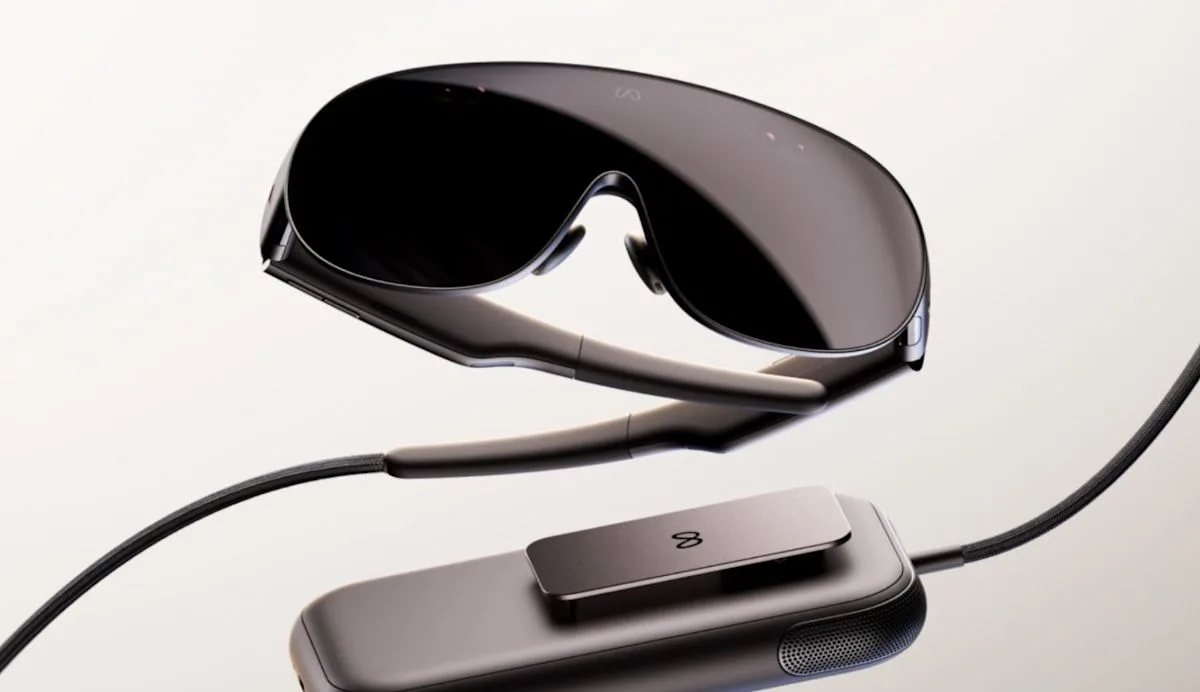
The pinnacle of the lineup is the Meta VR Glasses, which will only arrive in spring 2027 at $1,299. It weighs 100 grams, uses a magnesium alloy frame and pancake lenses, and supports a 5K display with Dolby Vision, Dolby Atmos, and IMAX Enhanced certifications. Computing is handled through a tethered puck powered by the Qualcomm Snapdragon Reality Elite platform. Meta claims the device can play high-resolution content for up to three hours per charge, though that figure has not been verified by independent reviewers.
On the content side, Meta has partnered with Disney+ to stream Avengers and Black Panther films in 3D format starting November 2026 in a number of countries. The Disney Immersive Cinema by ILM app will bring VR Enhanced versions of Avengers: Infinity War and Star Wars: A New Hope to Meta VR Glasses in spring 2027. Meta also plans to sell hundreds of 2D and 3D films in the US by the end of 2026. For sports, ESPN will broadcast college football matches in 8K 180 degrees starting 2026, with more than 100 live events per year through partnerships with MLB, NBC Sports, TNT Sports, and UFC.
In the AI realm, CEO Mark Zuckerberg briefly showed off Muse Charm, a keychain-sized device with a screen, speaker, microphone, and fingerprint sensor. The device is described as a dedicated interface for the Muse AI agent, with further details expected in late 2026. Meta has also rounded out its own-brand glasses lineup with Meta Adventurer ($249, available 23 October) and a limited-edition Meta Fury.
Meta appears to want to create a price ladder that lets consumers choose an entry point according to their budget, while also locking them into the same ecosystem. The challenge is whether these devices are truly comfortable for daily wear and whether their batteries live up to the claims.
For the Indonesian market, this launch opens both opportunities and challenges. Device prices still above Rp5 million for the cheapest model could limit mass adoption domestically, unless Meta offers installment schemes or carrier subsidies. However, the presence of these devices could encourage the local developer ecosystem to create XR-based applications and content, especially in education, tourism, and entertainment. Privacy regulation is also in the spotlight, given that camera-equipped devices capable of recording in public spaces could clash with social norms and personal data protection rules.
With a staggered rollout through 2027, Meta seems to be challenging its competitors to catch up in the wearable device market. The question is whether global consumers—including in Indonesia—are ready to pay a premium for devices that still depend on a closed ecosystem, or would rather wait for a more mature next generation.