Nikon Z5IIC: Full-Frame Camera Without Viewfinder Sparks Identity Debate
Baca dalam 60 detik
- Nikon resmi meluncurkan Z5IIC, kamera full-frame tanpa viewfinder dengan harga body US$1.399,95.
- Ketiadaan viewfinder dan spesifikasi campuran adu fitur RAW internal dengan slot SD tunggal memicu pertanyaan tentang target pasar.
- Pasar Jepang dan kreator konten pemula menjadi penentu apakah strategi ini berhasil atau sekadar varian yang membingungkan.
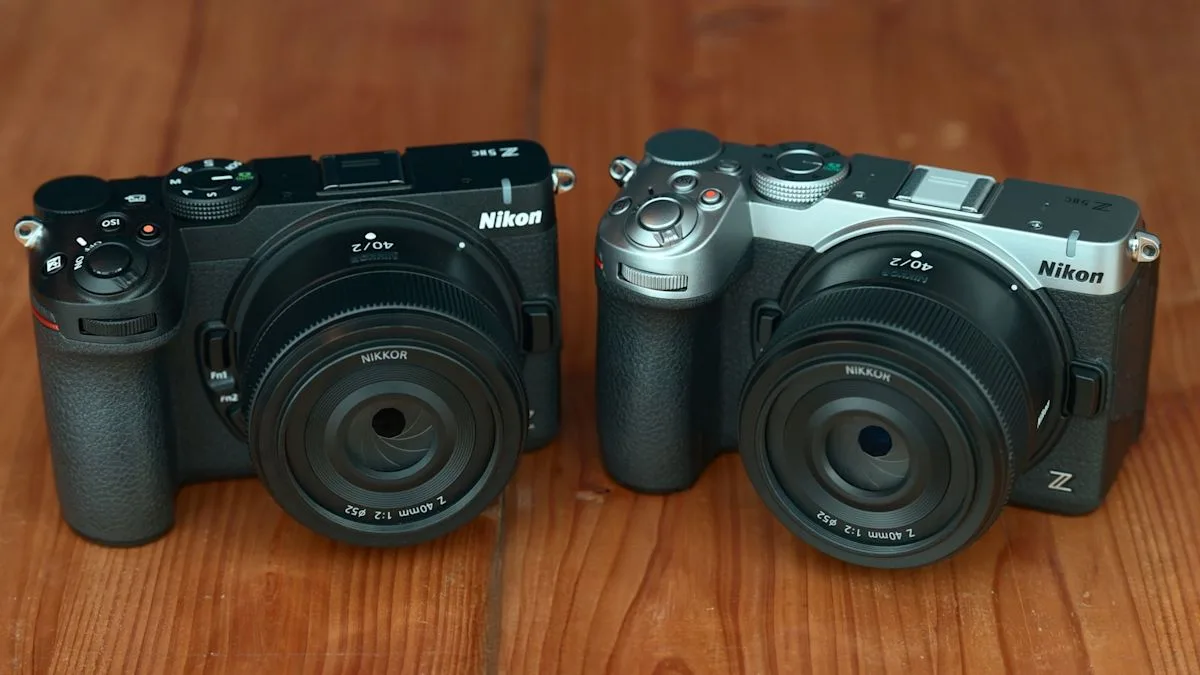
Nikon kicked off 2026 with a bold move through the launch of the Z5IIC, a full-frame mirrorless camera that is effectively a Z5II without an electronic viewfinder (EVF). This step puts Nikon in an unusual position: offering a 24.5 MP sensor and the latest Expeed 7 processor in a slimmer body, yet with a body price of US$1,399.95 (around Rp22 million) that is aggressive for the full-frame class.
The decision to remove the viewfinder is not without reason. Internal industry data shows that most modern content creators rely on the rear screen for 95% of their shooting. However, this design raises a fundamental question: who exactly is Nikon's target consumer? The letter 'C' on the Z5IIC apparently does not stand for 'compact' but for 'casual', a label that feels awkward given the internal RAW video recording capability that is usually the domain of professional cameras.
This unusual combination of features creates what many observers call an identity crisis. On one hand, the Z5IIC offers beginner-friendly Scene Modes—the first such feature in Nikon's full-frame Z lineup. On the other hand, internal RAW video recording requires large storage capacity, but this camera only provides a single SD card slot, not CFexpress. Video specs are also limited to cropped 4K/60p, losing out to the Panasonic Lumix S9, which offers 6K open-gate.
In terms of ergonomics, the Z5IIC is indeed lighter than the Z5II, but it still weighs 620 grams—far heavier than the Panasonic Lumix S9 (486 grams) and Sony A7C II (514 grams), which actually include an EVF. Its touchscreen has also dropped in quality to 1.04 million dots, a regrettable step backward given the absence of a viewfinder as an alternative. Some observers hoped Nikon would borrow the 4-inch screen from the ZR, but that hope did not materialize.
"This camera will live or die by its performance in the Japanese domestic market," said a camera analyst, recalling the history of the Nikon Z30—a viewfinder-less camera that succeeded in Japan despite being considered underwhelming in global markets.
The Japanese market is known for being tolerant of viewfinder-less cameras that prioritize practicality. However, the Z5IIC is not as compact as the Z30. With dimensions that are still large, its appeal as a 'casual' camera is questionable. In the Indonesian market, the full-frame camera segment without a viewfinder is still very niche. Consumers in the country generally look for cameras with viewfinders for professional needs or serious hobbies, while content creators prefer smartphones or lighter and cheaper APS-C cameras. The price of Rp22 million for the body alone—without a lens—puts the Z5IIC in direct competition with the Sony A7C II, which already has an EVF, or even Nikon's own Z5II, which is more complete.
Nevertheless, behind its blurred identity, the Z5IIC still offers capable specifications: autofocus with subject detection for 10 types of objects, image stabilization up to 7.5 stops, 14 fps burst shooting (mechanical shutter), and the trending Imaging Recipes. For users already invested in the Nikon Z ecosystem, this camera could be a lightweight second body for video. But the big question remains: can Nikon convince the market that the Z5IIC is not just a 'stripped-down' Z5II? The answer will be seen in the marketing and pricing strategy in Southeast Asian markets, including Indonesia, in the coming months.