US Business Giants Oppose Trump's Diesel Export Ban Plan: Prices Could Actually Spike
Baca dalam 60 detik
- Aliansi Kamar Dagang, Business Roundtable, NAM, dan API mengirim surat bersama menolak wacana pembatasan ekspor diesel dari Gedung Putih.
- Kelompok usaha menilai larangan akan memukul produksi kilang domestik dan memicu kenaikan biaya bahan bakar, bukan menekannya.
- Tekanan politik dari negara bagian pertanian menjelang pemilu sela menjadi pemicu utama, sementara pasar energi global sudah rapuh akibat konflik Rusia-Ukraina dan Timur Tengah.
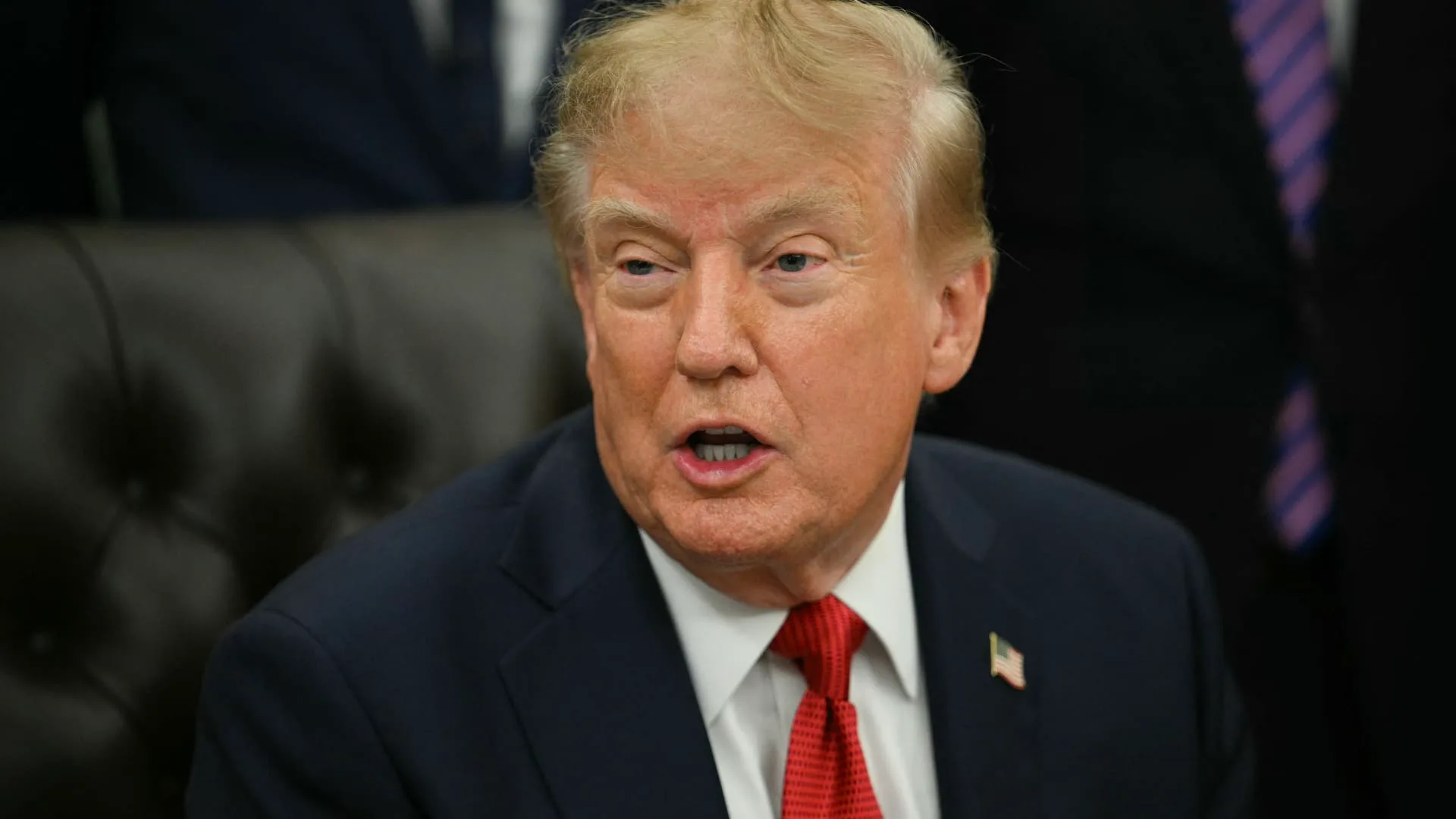
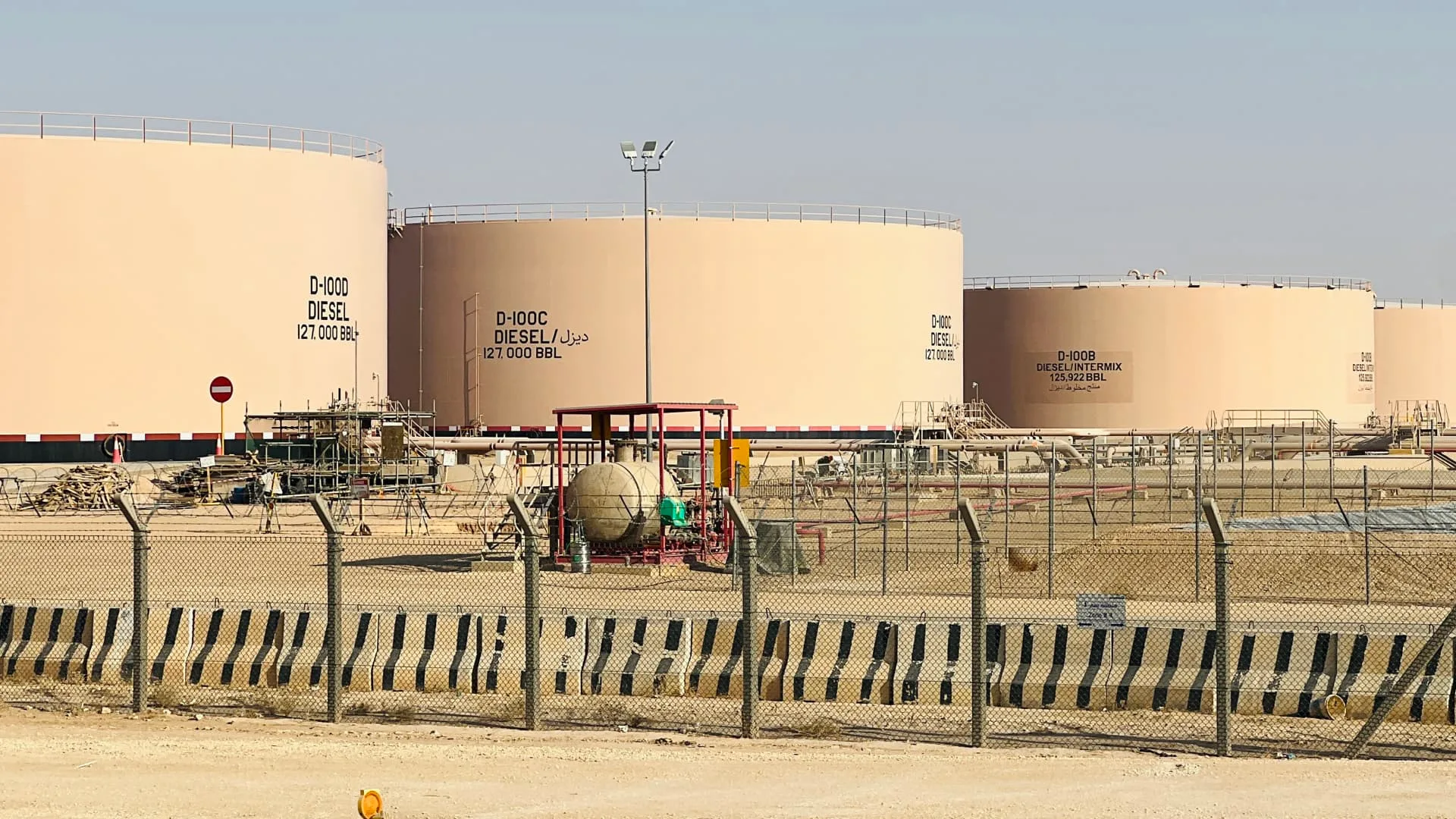
Some of the most influential business organizations in the United States have filed a formal objection to the administration of President Donald Trump's plan to ban diesel exports. In a joint letter sent this week, they warned that such a policy could raise domestic fuel prices rather than lower them as intended.
The letter was signed by the U.S. Chamber of Commerce, Business Roundtable, National Association of Manufacturers, American Petroleum Institute, and dozens of other associations. They argue that export restrictions would reduce refinery output, tighten supply, and ultimately burden consumers, farmers, and freight operators. "You are being asked by some to ban or restrict diesel exports to lower prices, when the opposite would happen," they wrote in the letter sent last Wednesday.
The debate has emerged amid mounting political pressure ahead of the midterm elections. Legislators from farm states such as Iowa are pushing for concrete action to curb fuel costs. AAA data shows the national average diesel price reached US$6.51 per gallon on Thursday, or US$2.82 more expensive than the same period last year. Trump himself said he had floated the idea of an export ban in internal administration discussions, a statement that surprised the oil industry.
Treasury Secretary Scott Bessent said the White House is assessing the feasibility of the ban, whether full or partial, taking into account national refinery capacity. However, a Politico report citing anonymous sources said the administration is preparing a 90-day export ban plan. The issue briefly weighed on diesel futures contract prices and shares of US refinery companies. Energy Secretary Chris Wright, an oil industry veteran, stressed that what is being discussed is not a ban, but the most efficient way to channel more diesel into the domestic market without disrupting gasoline and jet fuel supplies.
Energy analysts warn that an export ban would only cause a short-term drop in diesel prices in some US regions, before eventually spiking again as refineries cut production. The global context complicates the situation: Ukrainian attacks on Russian refineries have forced Moscow to ban diesel exports, while Iran and its Houthi allies continue to disrupt refineries in the Middle East and threaten tankers in the Strait of Hormuz. With world supply already tight, removing US exports could trigger turmoil in international energy prices.
For Indonesia, US energy policy always has a ripple effect. As a fuel importer, especially of diesel, Indonesia is highly sensitive to fluctuations in world oil prices. If the US export ban is actually imposed and triggers a global price increase, the cost of domestic fuel imports could swell, putting additional pressure on energy subsidies and inflation. The government needs to anticipate a possible surge in crude oil and refined product prices, and strengthen diversification of supply sources. In addition, tensions in the Strait of Hormuz could disrupt tanker shipping routes to Asia, including Indonesia, which imports most of its oil needs from the Middle East.
"What is being discussed is the most efficient way to get more diesel into the United States and keep maximum flows of gasoline, jet fuel, and other products," said Energy Secretary Chris Wright, citing an interview with the media.
The final decision rests with Trump. However, with opposition from nearly the entire business ecosystem and warnings from economists, the move to restrict diesel exports appears increasingly risky politically and economically. The question now: will the White House stick to a path opposed by the business world to win votes in farm states, or choose broader energy market stability?