Chinese Hybrid Cars Flood Europe, Brussels Weighs Import Quota
Baca dalam 60 detik
- Penjualan mobil hibrida buatan China di Uni Eropa melonjak dari 659 unit pada 2022 menjadi 160.662 unit sepanjang Januari-Juli tahun ini.
- Lonjakan terjadi setelah Brussels mengenakan tarif anti-subsidi pada mobil listrik murni China, sehingga produsen beralih ke hibrida yang belum terkena bea masuk.
- Uni Eropa mendesak China membatasi ekspor hibrida secara sukarela atau menghadapi kuota, sementara pertemuan tingkat menteri dijadwalkan awal Oktober.
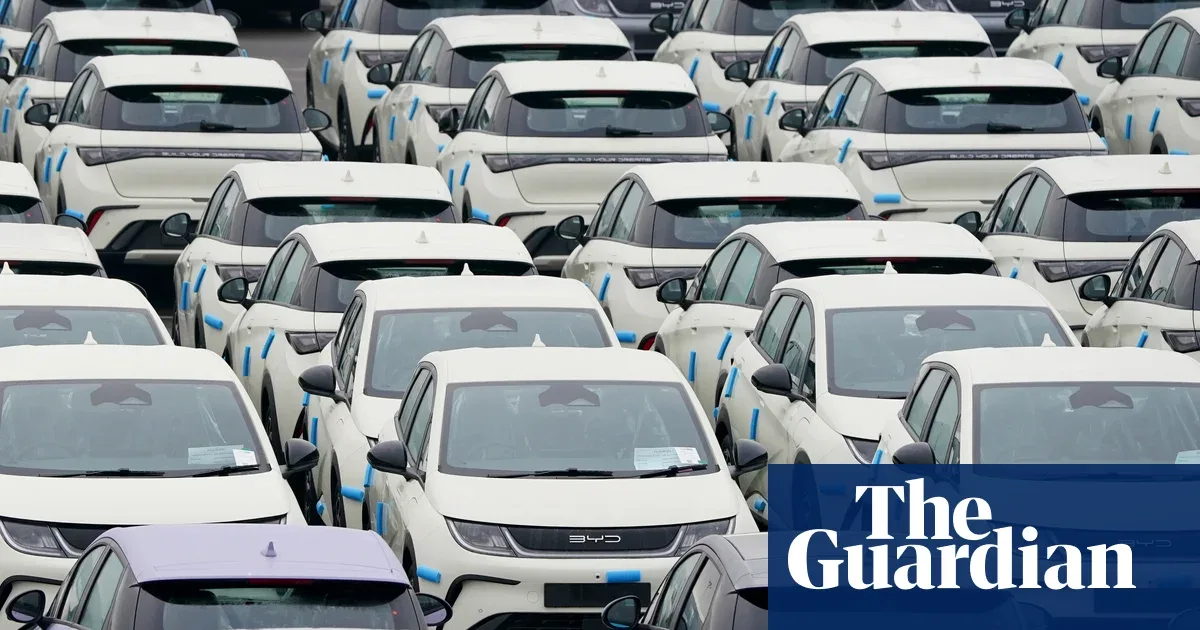
The European Union is facing a new wave of automotive imports from China that escapes the tariff net: hybrid cars. The latest data shows sales of Chinese-made hybrid vehicles in the European market have exploded over the past four and a half years, triggering serious concern in Brussels about the future of the continent's car industry.
In 2022, only 659 units of Chinese-assembled full hybrids were sold in the European Union. But after Brussels imposed anti-subsidy tariffs on China-made battery electric vehicles in 2024, hybrid sales jumped to 160,662 units in the January-July period this year. A similar surge occurred in plug-in hybrids, from 56,706 units in 2022 to 217,764 units in the first seven months of this year.
The shift happened because EU tariffs target only battery electric vehicles, while hybrids remain duty-free. Chinese manufacturers quickly exploited the gap, redirecting export focus to hybrid models that are popular for long-distance travel because they can recharge through a gasoline engine or an external power source.
The European Automobile Manufacturers' Association (ACEA) recorded that three Chinese manufacturers—BYD, Chery, and Leapmotor—posted triple-digit growth in the EU market. Geely, which owns Volvo and Polestar, remains the most popular Chinese brand with 205,000 units sold in the first eight months of this year, though its growth was a moderate 8%. BYD followed with a 163% surge to 177,000 units. Together with SAIC, the three are now ahead of Tesla, which sold only 142,000 units across the bloc in January-July.
Still, European manufacturers continue to dominate. The Volkswagen Group sold 2 million units in the first eight months. However, rapid growth in electric cars in several countries such as Germany (up 75% to 69,000 units in August), France (up 112%), and Slovenia (up 266%) shows that the energy transition remains underway, and China is becoming more aggressive in filling market niches not yet fully controlled by European brands.
European Commission President Ursula von der Leyen considers the trade deficit with China, now at €1.18 billion per day, to have reached an unsustainable "critical point."
Brussels has asked China to voluntarily reduce hybrid exports to the European Union or face safeguard measures, possibly in the form of a quota. EU Trade Commissioner Maroš Šefčovič is scheduled to meet his Chinese counterpart, Wang Wentao, on October 8-9 to negotiate a trade truce. Meanwhile, US President Donald Trump and Chinese President Xi Jinping are also scheduled to meet in Washington on Thursday (9/26) in their third summit in 12 months, with hopes of reaching a similar deal.
For Indonesia, this dynamic is an important mirror. As the largest automotive market in Southeast Asia, Indonesia is also being flooded with competitively priced Chinese electric and hybrid cars. If the European Union does impose an import quota, the excess supply of Chinese hybrid vehicles could be diverted to emerging markets like Indonesia, which could hit local manufacturers and accelerate the shift in the national automotive landscape. The government needs to anticipate this wave with policies that balance promoting electrification and protecting domestic industry.
The question is, will the European Union and China reach a deal before a quota is imposed, and how is Indonesia preparing a strategy to face the overflow of cheap hybrid cars from China?