Susanna Reid Warns AI Threatens TV Journalism, Highlights Future of Morning News
Baca dalam 60 detik
- Presenter Good Morning Britain, Susanna Reid, mengungkapkan kekhawatiran bahwa AI dapat menggantikan peran manusia dalam industri televisi, terutama berita pagi.
- Ia menilai AI berpotensi menghilangkan elemen kejutan dan keragaman informasi yang menjadi ciri khas acara berita pagi.
- Meski demikian, Reid tetap fokus pada kariernya saat ini dan tidak memikirkan opsi lain di luar GMB.
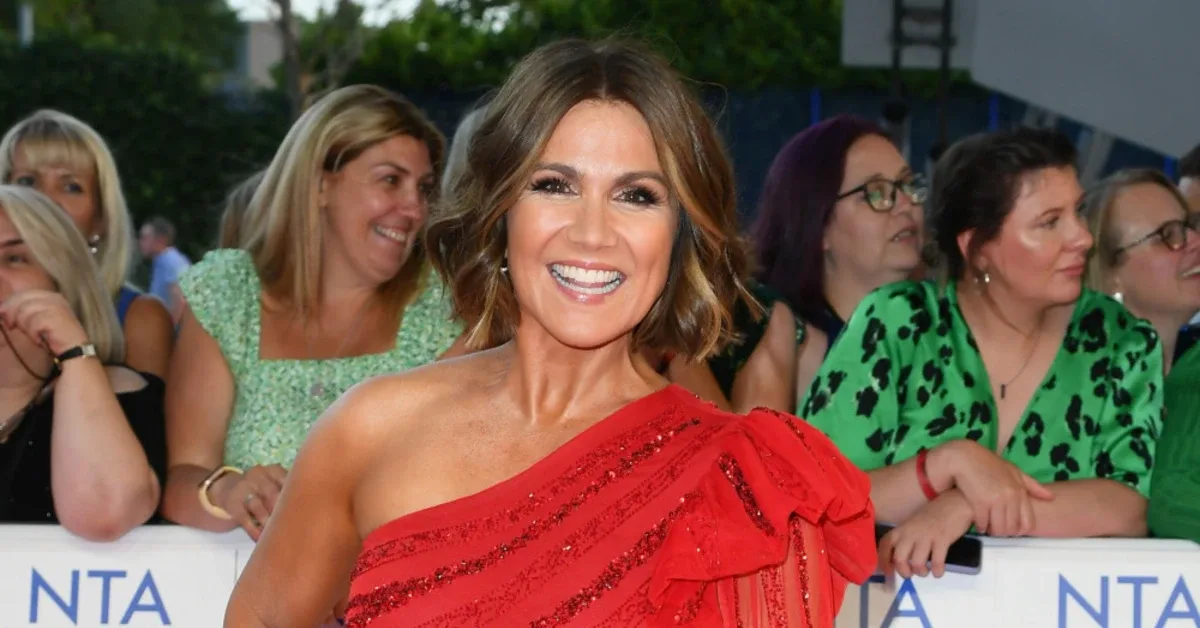
Good Morning Britain presenter Susanna Reid has voiced her concerns about the impact of artificial intelligence (AI) on television journalism. In an interview with Woman and Home magazine, she said AI could erode the essence of morning news programs, which have long been a source of information and entertainment for millions of viewers.
Reid, who has been the lead presenter of GMB since 2014 after 13 years at BBC Breakfast, said she is enjoying every moment of her career on screen. However, she is not closing her eyes to the possibility that one day she will be replaced by an AI version. "I'm enjoying every moment on television because who knows when I'll be replaced by an AI version?" she said.
She highlighted the tendency of people to become increasingly trapped in their own algorithms. According to Reid, people tend to want to consume only information that matches their personal interests. She considers this worrying, especially in the context of morning news, which must reach an audience with diverse interests. "When you're in the world of news, current affairs, and journalism like me, you're talking to a breakfast audience that has a million different interests. You keep people's spirits up with entertainment, but at the same time deliver difficult and challenging news about the economy and world events," she explained.
Reid added that if AI takes over and presents highly segmented news, the moment when viewers discover information they did not realize they needed will be lost. "You'd lose that sense of 'I didn't realize I wanted to know about that' or 'That hadn't occurred to me,'" she said.
Despite those concerns, Reid stressed that she is not thinking about a role beyond GMB. "I don't think beyond GMB. I won't do that until someone says, 'Thank you very much. You can have a lie-in tomorrow!'" she said. She also realizes that no job is permanent. "It's very important to accept that you won't work forever in a particular job. Whatever the reason, things change. There will always be something else. Maybe I'll have my own podcast - I'm a huge fan of podcasts," she added.
Behind her public life of about three decades, Reid said she can still keep some aspects of her life private. "I have an area that is public and people know about it, and then there are parts of my life that they don't," she said. When asked whether the public could find out that she had secretly married one day, she laughed and said, "That would be a discovery for me too."
Reid's concerns reflect broader worries in the media industry about the role of AI. In Indonesia, the television industry also faces similar challenges. National television stations are beginning to adopt AI technology to improve production efficiency, such as automatic scriptwriting and video editing. However, media practitioners warn that AI cannot replace the human touch in delivering in-depth and balanced news. "AI can help, but it cannot replace the empathy and critical reasoning of journalists," said a media observer in Jakarta.
With AI developing ever more rapidly, the question of how far this technology will change the landscape of television journalism remains a matter of debate. Will AI become a tool or actually displace the human role? Only time will tell, but for Reid, what is clear is that she will continue to enjoy every second in front of the camera.