US Designs Global Stablecoin to Lock in Dollar Hegemony, Developing Countries at Risk
Baca dalam 60 detik
- Pemerintahan Trump tengah menggodok skema stablecoin berbasis dolar AS yang melibatkan perusahaan swasta untuk memperluas penggunaannya di luar negeri.
- Langkah ini berpotensi memperkuat permintaan surat utang AS, tetapi memicu kekhawatiran arus modal keluar dari negara berkembang.
- IMF dan BIS berulang kali memperingatkan risiko stabilitas moneter di ekonomi dengan defisit transaksi berjalan, termasuk Indonesia.
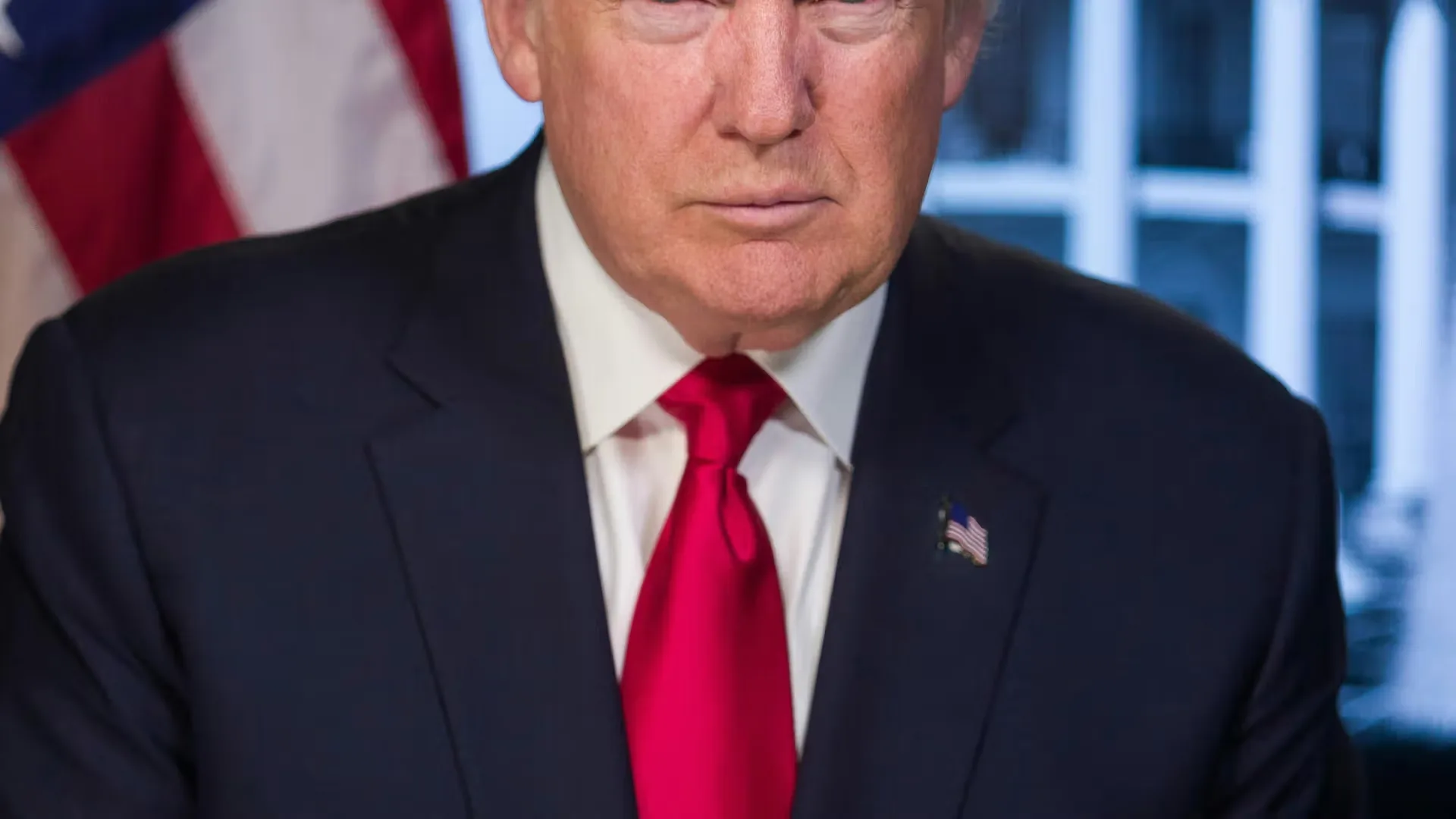
Washington plans to make stablecoins an instrument for preserving the US dollar's position as the world's primary reserve currency. According to a Bloomberg report, the administration of President Donald Trump is weighing a partnership scheme with the private sector to drive adoption of dollar-based stablecoins in international markets. The plan is not merely about currency dominance, but also a strategy to find new demand for US government debt.
The Treasury Department and the State Department are said to play a central role in that promotion, accompanied by the U.S. International Development Finance Corporation. This cross-agency collaboration signals that stablecoins have shifted from a mere crypto instrument into a tool of economic diplomacy. For investors, the signal reinforces that digital assets are increasingly integrated into global fiscal and monetary policy.
Stablecoins are blockchain-based digital tokens whose value is pegged to an external asset, generally the US dollar. As a result, these tokens are often regarded as a representation of fiat that can be used for crypto trading and cross-border payments. The two largest stablecoins, USDT and USDC, peg their value 1:1 to the dollar and together control nearly 90% of the total stablecoin market capitalization of US$292.49 billion. Investor trust depends on the issuers' ability to redeem tokens for fiat money at any time, so they are required to hold dollar reserves and short-term debt.
The Genius Act requires stablecoin issuers to hold reserves in the form of dollars and short-term debt. Treasury Secretary Scott Bessent recently called dollar-based stablecoins a means of supporting greenback dominance. With aggregate holdings approaching US$200 billion, stablecoin issuers are now among the 20 largest holders of US debt, surpassing the foreign exchange reserves of a number of large countries. This shows that the crypto industry has become a significant player in the government bond market.
However, behind the potential strengthening of the dollar, the plan carries serious risks for developing countries with current account deficits. Stablecoins allow funds to move through blockchain without passing through traditional banking channels, making it difficult for central banks and governments to monitor and control capital flows. If dollar-based stablecoins are widely adopted for everyday transactions, domestic currencies could come under severe pressure. The International Monetary Fund (IMF) and the Bank for International Settlements (BIS) have repeatedly warned that dollar-pegged stablecoins can accelerate capital flight from developing countries during market turmoil.
"Dollar-based stablecoins can become a catalyst for outflows that are hard to contain, especially in economies with fragile external fundamentals," reads a warning frequently issued by the IMF and BIS in various reports.
For Indonesia, the policy implications warrant close attention. As a country with an open financial market and a current account deficit that often widens, the adoption of global stablecoins could magnify the risk of rupiah exchange-rate volatility. On the other hand, an opportunity arises if Indonesia can provide a clear regulatory framework and competitive digital payment infrastructure. Monetary and financial authorities are required to anticipate this shift, not merely react after pressure arrives.
Going forward, the question is no longer whether stablecoins will become part of the global financial architecture, but how quickly developing countries build policy defenses. If Washington truly realizes this scheme, the international financial landscape will enter a new chapter in which the boundary between fiat currency and digital assets becomes increasingly blurred. Will Indonesia choose to adapt, or will it become a victim of an increasingly open currency dominance war?