Global Food Crisis Looms as US Slashes Aid and FAO Loses Its Bearings
Baca dalam 60 detik
- Pemotongan bantuan luar negeri AS memaksa negara lain menutup kekurangan dana FAO, sementara pengawasan dini melemah.
- Konflik di Selat Hormuz dan Ukraina mengganggu pasokan pupuk dan gandum, memicu kekhawatiran krisis pangan 2027.
- El Niño diperkirakan memperburuk situasi, sementara stok gandum global masih dianggap cukup oleh sebagian analis.
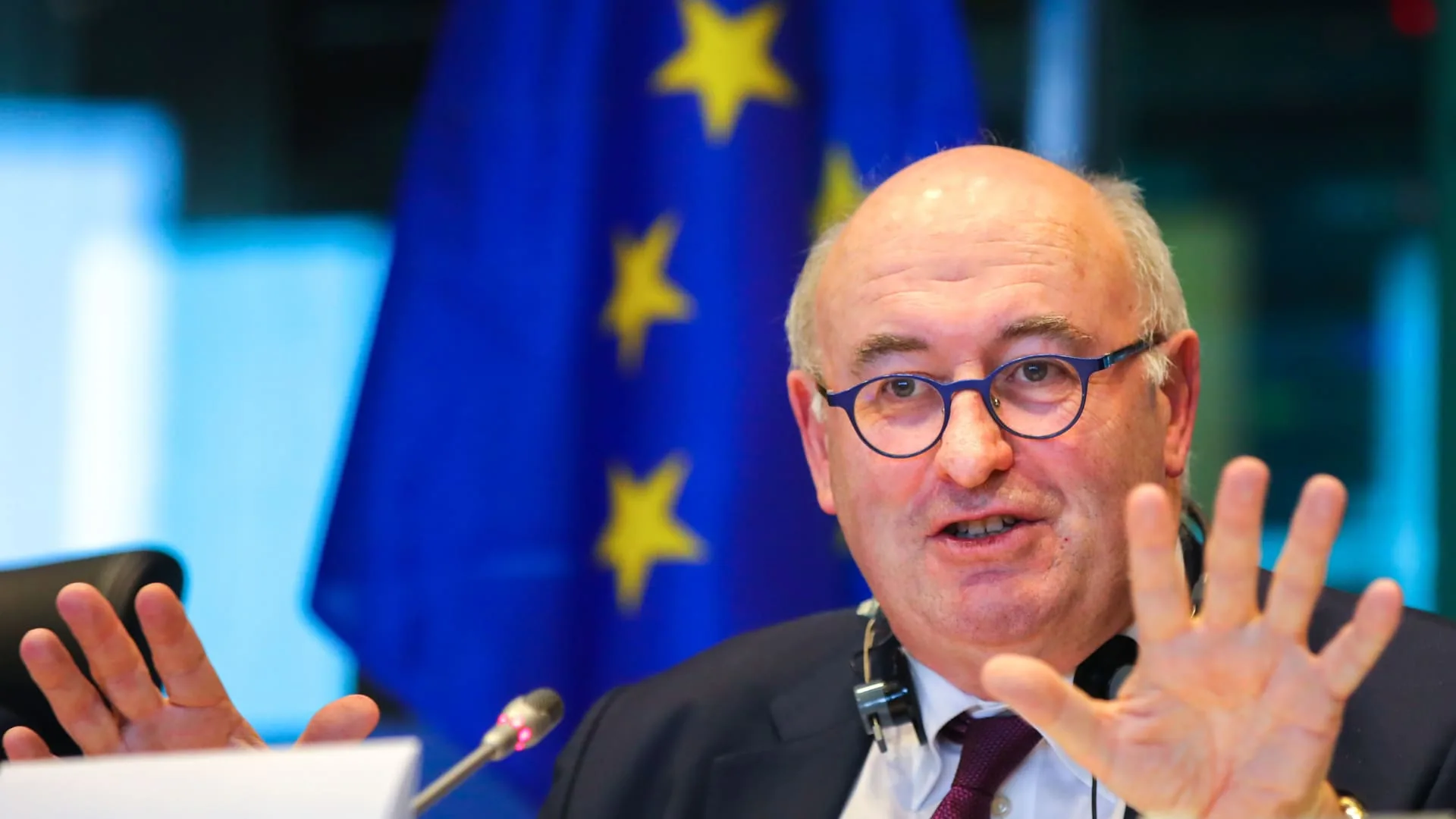
The world is heading toward a food crisis with its eyes closed. Drastic cuts to United States foreign aid have weakened the ability of the UN Food and Agriculture Organization (FAO) to monitor and respond to global food threats, according to experts and candidates for the agency's leadership.
Phil Hogan, a former European Union Commissioner now running for FAO Director-General, said other countries must fill the funding gap left by Washington. "It is very important to continue to support the FAO financially... when the United States pulls out of some of these programs, other FAO member states have to take over to make sure that all of the issues of animal disease and food safety are still dealt with," he said in an exclusive interview with CNBC in Singapore on Wednesday (24/9/2025).
The Trump administration has slashed US foreign aid dramatically by dismantling USAID, once the world's largest humanitarian donor. The move has triggered global concern because the Rome-based FAO plays a key role in overseeing global food safety rules and providing early warnings about hunger.
Chris Barrett, an agricultural and development economist at Cornell University, said the funding shortfall means "less monitoring and surveillance for early warning of coming problems," and limits the world's ability to cushion the impact of rising food prices on poor families. "This ultimately leads to worse hunger problems and socio-political unrest as populations become frustrated with governments that cannot guarantee their food security," he warned.
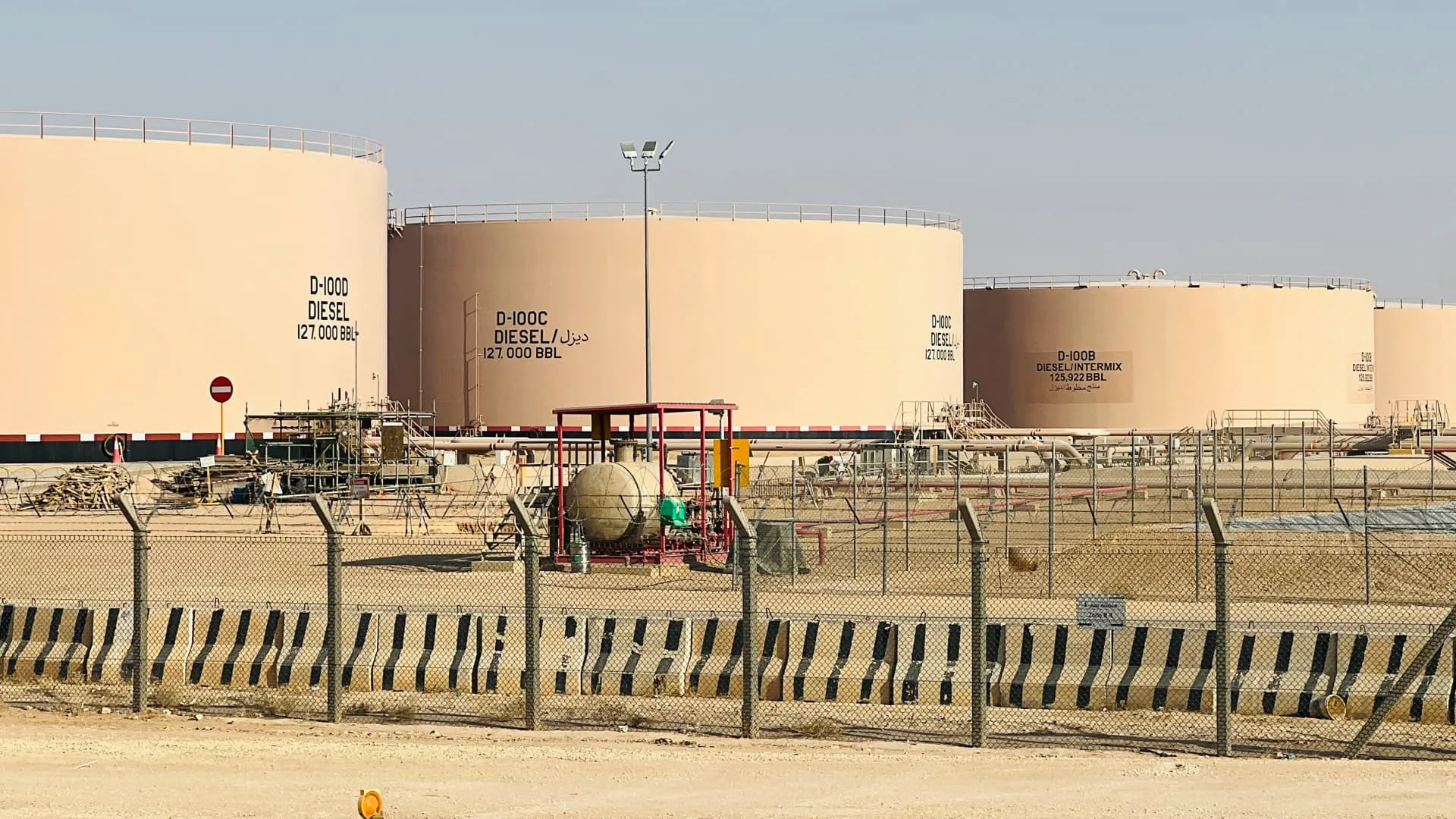
Conflict around the Strait of Hormuz and the war in Ukraine "contribute to the potential for disaster in 2027 in many parts of the world," Hogan said, adding that El Niño will exacerbate the risk. War in the Middle East and the crisis in the Strait of Hormuz have raised fears of a global agri-food disaster because flows of fertilizer and energy exports have practically halted. FAO previously warned that poor countries are most exposed, because delayed commodity supplies can cause lower output, higher inflation, and weaker global growth.
The protracted war in Ukraine has also disrupted global wheat trade through the Black Sea, worsening the economic impact and weakening food security in vulnerable countries. Forecasts of a strong El Niño weather event could further threaten global food security. "We are going into this blind and with one hand tied behind our back, in terms of global capacity to forecast and respond to major food crises," said Chris Newton, a food security analyst at the International Crisis Group.
"We are going into this blind and with one hand tied behind our back, in terms of global capacity to forecast and respond to major food crises." - Chris Newton, International Crisis Group
Even so, some experts are less worried. Ian Mitchell, a senior policy fellow at the Center for Global Development, said that even with a "very strong" El Niño, "we are still currently far from global food crisis conditions." Global wheat stocks remain historically healthy, and futures markets show no signs of supply scarcity, he said.
Hogan, the frontrunner to lead FAO, plans to move staff from headquarters to "hunger hotspots" within the first 100 days of his term if elected. He also stressed cost efficiency and collaboration with other UN agencies. He criticized FAO for being too quiet on the Black Sea Grain Initiative, a now-suspended agreement between Russia, Ukraine, Turkey, and the UN to channel food and fertilizer exports from Ukraine. "Maybe FAO was a bit behind the curve in raising this issue and being centrally involved in food security solutions within the UN environment," he said.
For Indonesia, this global food crisis is a serious alarm. As a wheat and soybean importer, disruptions to global supply can trigger domestic food inflation. Dependence on fertilizer imports is also a weak point, especially with supply disruptions from the Middle East and the Black Sea. The government needs to strengthen national food reserves and diversify import sources to reduce the impact. In addition, food assistance programs such as Bantuan Pangan Non-Tunai (BPNT) and Program Keluarga Harapan (PKH) must be maintained to protect vulnerable groups from price spikes.
Going forward, the big question is whether the international community can fill the funding void left by the US and prepare for a potential food crisis in 2027. Without collective action, the world could truly walk with its eyes closed toward a disaster that could be prevented.