X2 Roller Coaster Lawsuit: 100+ Alleged Brain Injury Victims, Six Flags Closes Ride
Baca dalam 60 detik
- Tiga penggugat menuntut Six Flags Magic Mountain atas dugaan cedera otak katastrofik usai menaiki X2, dengan lebih dari 100 orang lain mengklaim trauma serupa.
- Penyelidikan CNN menemukan lebih dari selusin laporan cedera serius dan dua kematian terkait X2 dalam hampir 20 tahun, memicu pertanyaan tentang standar keselamatan wahana ekstrem.
- Penutupan X2 sejak pertengahan Juli dan lonjakan pengaduan ke firma hukum menunjukkan perlunya regulasi lebih ketat serta transparansi insiden di industri taman hiburan global.
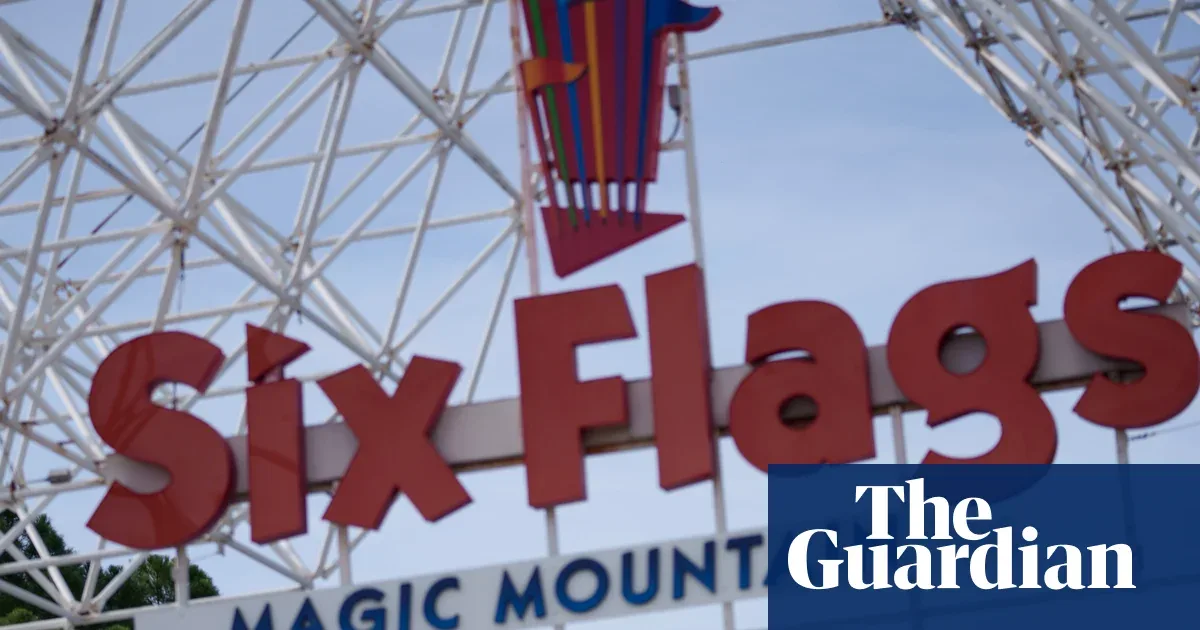
Three people are suing Six Flags Magic Mountain in California, alleging the X2 roller coaster caused the “catastrophic brain injuries” they suffered after riding the attraction. The lawsuit joins more than 100 other complaints from individuals who say they suffered traumatic brain injuries, according to the law firm representing the plaintiffs.
At a press conference on Tuesday, attorney Gary Dordick said the victims came to the amusement park seeking entertainment and fun with their families, but instead suffered severe brain damage. The statement underscores the allegation that these incidents were not ordinary accidents, but the result of a ride design considered too risky.
X2, located in Valencia, California, has drawn scrutiny in recent months following reports of riders suffering serious injuries. In July, two women suffered brain hemorrhages and required emergency surgery after riding X2. One of them, Naomi Greer-Wilkinson (25), remains hospitalized. Attorneys said doctors linked the injuries to “rapid acceleration-deceleration events” experienced while riding the attraction.
A CNN investigation in August revealed that over nearly two decades, there were more than a dozen reports of serious injuries, including two deaths, linked to X2. The findings raised questions about the effectiveness of safety oversight for extreme rides and whether existing standards adequately protect visitors.
Six Flags said in a statement that it does not comment on pending litigation and stressed that X2 has been closed since mid-July. The park’s website describes a comprehensive safety program with rigorous inspections and industry-leading standards. Daily inspections are conducted, along with routine evaluations by third-party inspectors, state and insurance inspectors, and the company’s engineering and safety experts.
X2 is described as a “fifth-dimensional wing coaster” that will make even the most experienced thrill-seekers scream, and “truly terrifying.” The ride features seats that rotate 360 degrees and spin backward while reaching speeds of up to 76 mph, passing through a half-loop that suddenly turns into a “vertical drop.”
“The design of this ride is what makes it inherently dangerous and dangerous in ways a reasonable rider would not anticipate,” said attorney Christopher Bulone. “Time and again, innocent people have gotten off the ride with permanent brain damage.”
Dordick revealed that more than 300 people have contacted his law firm to report injuries. Bulone added that experts assess X2 was built with a higher level of danger than other rides, with more variables and physical forces burdening the body.
The case highlights gaps in amusement ride safety regulation, especially for high-speed attractions with complex motions. In many jurisdictions, oversight relies on self-inspections and third parties, which are often not transparent to the public. Pressure is now mounting on amusement park operators to disclose incident data and reevaluate extreme ride designs.
For Indonesia, this development is an important mirror. The domestic amusement park industry, including in tourist areas such as Ancol, Bali, and Batam, continues to grow by offering high-tech rides. Although no similar reports have emerged, regulators and operators need to anticipate risks by tightening safety standards, conducting periodic audits, and establishing open incident reporting mechanisms. Consumer protection is also a crucial issue so that visitors are not harmed if an accident occurs.
Going forward, the big question is whether this lawsuit will drive regulatory change in the United States and trigger a wave of similar claims in other countries. If the court rules that X2’s design is indeed defective, ride operators worldwide may have to review safety protocols and invest in safer shock-dampening technology. Meanwhile, the victims and their families await justice, and the public waits to see whether the industry will learn from this tragedy.