Health Ministry Records 40,000 Toddlers Exposed to Respiratory Infections as Palembang-Indralaya Wildfire Haze Paralyzes Jalintim
Baca dalam 60 detik
- Kementerian Kesehatan mencatat sekitar 40.000 balita di tujuh provinsi mengalami Infeksi Saluran Pernapasan Akut (ISPA) akibat kabut asap karhutla.
- Jalan Lintas Timur Palembang-Indralaya tertutup kabut asap tebal, mengganggu mobilitas warga dan distribusi logistik di Sumatra Selatan.
- Krisis kesehatan anak dan gangguan transportasi darat menuntut respons darurat lintas sektor, bukan sekadar pemadaman titik api.
The Ministry of Health (Kemenkes) has disclosed a serious finding: around 40,000 toddlers across seven provinces have been exposed to Acute Respiratory Infections (ISPA) as a result of haze from forest and land fires (karhutla). The figure is a severe blow to child protection efforts amid an ecological disaster that shows no sign of easing.
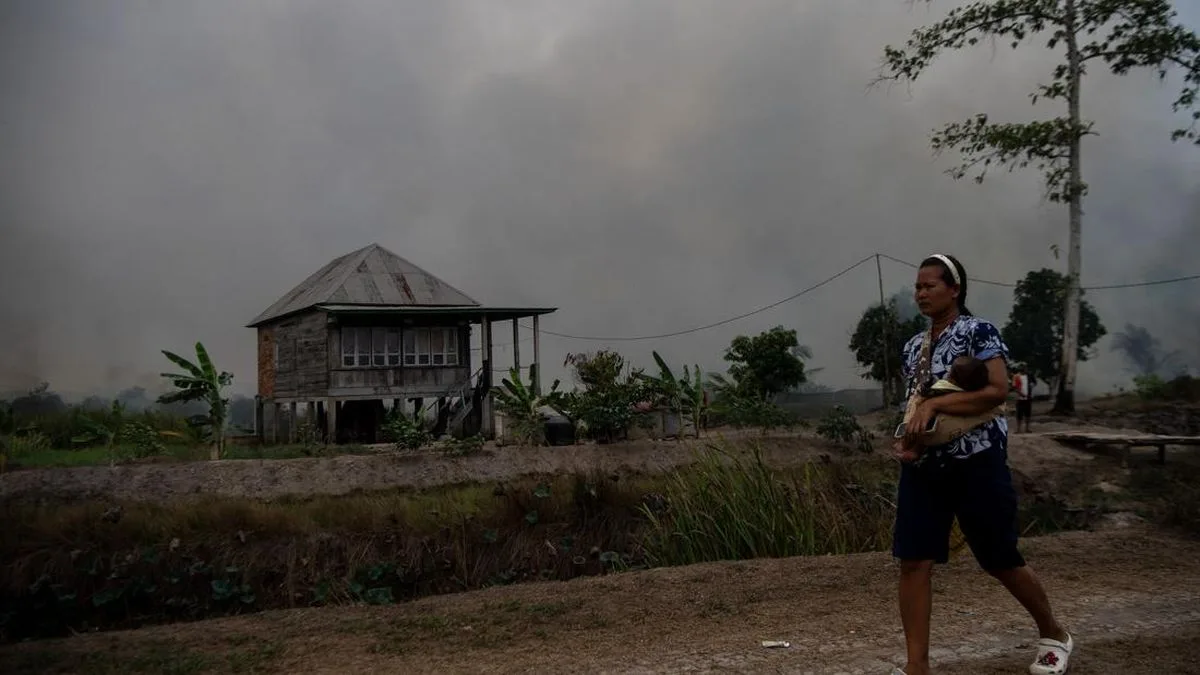
The data is reinforced by conditions on the ground in South Sumatra. The Palembang-Indralaya East Cross Road (Jalintim) is reported to be covered in thick haze as of today, Saturday (26/9/2026). The haze has not only impaired drivers' visibility but also forced several road sections to be closed temporarily for safety.
This crisis is not merely a seasonal event. Wildfires that recur every year have created a cycle of suffering for vulnerable groups, especially toddlers and pregnant women. ISPA in toddlers can trigger long-term complications, from impaired lung growth to a reduced quality of life. Meanwhile, the closure of Jalintim could disrupt the flow of goods distribution and the mobility of residents who have long depended on that land route.
From a policy standpoint, the Kemenkes finding should serve as an alarm for regional and central governments to strengthen early warning systems and primary health services. Community health centers and hospitals in affected areas need to ensure adequate availability of oxygen, medicines, and treatment space. Without that, a surge in ISPA cases could burden already limited health facilities.
The head of the South Sumatra Health Office, for instance, has urged residents to reduce outdoor activity and wear masks. However, appeals without logistical support and emergency budgets will amount to nothing more than talk. On the other hand, the Ministry of Environment and Forestry faces a heavy challenge: enforcing the law against illegal land clearing, the main trigger of the wildfires.
For Indonesia, this crisis also affects its reputation on the global stage. Transboundary haze has previously triggered protests from Malaysia and Singapore. If not handled seriously, the issue could once again become a diplomatic spotlight that harms Indonesia's position in climate and trade negotiations.
The question is, will the government move from emergency response to structural solutions? Without reform of land governance and investment in prevention, today's 40,000 toddlers could become an even larger number next year.