Meta Muse Blocked by Amazon, Signal of New AI Agent War in E-commerce
Baca dalam 60 detik
- Meta Muse melesat ke puncak App Store dan mendongkrak saham META lebih dari 20% dalam dua pekan, tetapi Amazon menolak transaksi lewat aplikasi itu.
- Penolakan Amazon menandai babak baru persaingan AI agent yang menyasar hubungan langsung dengan konsumen, memicu kekhawatiran di sektor jasa keuangan dan travel.
- Meta Connect menjadi panggung krusial untuk membuktikan apakah Muse bisa menjadi platform, bukan sekadar aplikasi musiman.
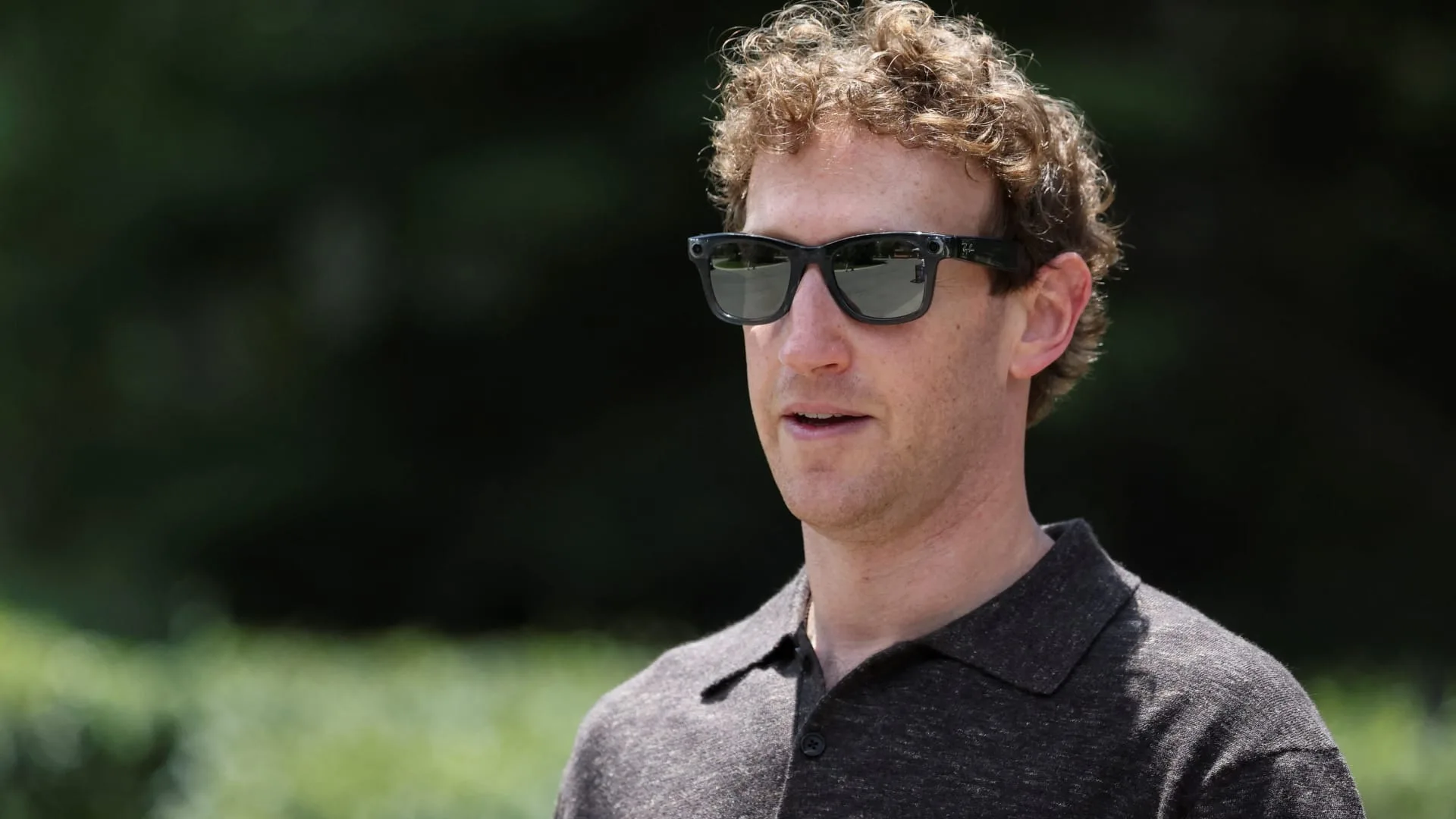
Meta is facing its first wall in its AI agent ambitions. Muse, its newly launched artificial intelligence-based personal assistant app, has been blocked by Amazon from the company's shopping ecosystem. The rejection surfaced just hours before CEO Mark Zuckerberg took the stage at Meta Connect, the annual developer conference held Wednesday night local time.
Amazon's move is not without precedent. The e-commerce giant previously sued Perplexity last November for allegedly disguising AI agents to scrape their site without permission. OpenAI and Google have also faced similar restrictions. Amazon argues that third-party apps seeking to transact on behalf of customers must operate openly and respect service providers' decisions about their participation.
For Meta, Muse is a big bet. The app is reported to be able to schedule appointments, fill out electronic forms, monitor home security cameras, and shop on behalf of users by connecting payments to Shopify or Stripe. Since its launch, Muse has shot to the top of Apple's App Store, overtaking ChatGPT. The market responded positively: Meta shares jumped more than 20% in two weeks, reversing a performance that had previously lagged behind most other tech giants throughout 2026.
However, Muse's early success is not entirely smooth. Joseph Turow, an emeritus professor at the University of Pennsylvania who studies digital privacy, believes consumers will be very cautious. According to him, some people will try it, while others will only be drawn in after seeing the savings from discounts found by AI agents. "People will be very wary," he said, adding that trust in Facebook's parent company remains a major obstacle.
What worries the market more is the domino effect on other sectors. Shares of financial services companies like Charles Schwab and travel platform Expedia reportedly fell on Wednesday, as investors saw AI agents potentially taking over functions that have long been their business territory. Emarketer analyst Max Willens stated that Amazon will become increasingly protective of its position in the consumer journey. "For years, Amazon was the first place for US consumers to shop online. Now they start with an AI assistant," he said.
"Amazon's business model is to keep the customer relationship as strong as possible. 'Respect the service provider's decision' is the polite version of 'not on our shelf'," said Matthew Hassett, CEO of Loftie and Deliberate.
On the other hand, Meta is in a dilemma. The company has just agreed to pay up to USD 17 billion to settle lawsuits from several states accusing them of misleading the public about the mental health dangers to children from apps like Facebook and Instagram. The emergence of generative AI and chatbots has actually sharpened the issue of online addiction, with OpenAI and Google also being sued over alleged harm, including suicide cases.
The Indonesian context is relevant. Amazon has not yet operated on a large scale in the domestic market, but this dynamic illustrates the direction of the global industry that quickly reaches Southeast Asia. Domestic e-commerce platforms such as Tokopedia, Shopee, and Lazada will sooner or later face similar questions: will they open their doors to third-party AI agents or shut them tightly to protect data and consumer relationships. Data protection regulations that are starting to take effect in Indonesia will also be a testing ground, especially if foreign AI agents want to access transaction data and shopping preferences of citizens.
For investors and businesses in Indonesia, this signal from the United States deserves attention. Competition is no longer just about who has the best AI model, but who controls the last touchpoint with consumers. If AI agents become the main entry point for shopping, then platforms without their own agents risk being relegated to mere logistics and payment providers.
Meta Connect tonight will be the first test. Mizuho analysts expect the event to raise the "Muse-on-glasses" narrative, combining AI agents with smart glasses from Meta and EssilorLuxottica's collaboration. Cantor believes Muse's business model is still unclear, but the opportunity is real. The question is, will Meta be able to convince trading partners to open their doors, or will it face similar walls on more global platforms?