Superhot El Niño: Projected 451,000 Excess Deaths, Indonesia in the Most Vulnerable Zone
Baca dalam 60 detik
- Laporan terbaru Climate Impact Lab memperkirakan lebih dari 451.000 kematian tambahan akibat panas ekstrem El Niño hingga Februari 2027, dengan Indonesia masuk lima negara paling terdampak.
- Tingkat panas El Niño saat ini telah melampaui rekor historis dan para ilmuwan menyebutnya sebagai 'postcard from our future' yang menggambarkan kondisi iklim 20 tahun mendatang.
- Pemerintah dan lembaga kesehatan didesak memperkuat sistem peringatan dini, pusat pendinginan, dan perlindungan pekerja luar ruang untuk menekan angka kematian.

The extreme heat waves brought by this year's super El Niño are projected to cause more than 451,000 additional deaths worldwide through February 2027, according to the latest report from the Climate Impact Lab. Indonesia is among the five tropical countries with the highest death burden, along with Nigeria, Sudan, India, and Brazil.
The figure does not include deaths from drought, wildfires, and floods that typically accompany El Niño. The report uses a peer-reviewed method that analyzes the monthly relationship between temperature and heat-related deaths across 24,378 global regions, drawing on a database of average monthly deaths from 1996 to 2025.
Prof Michael Greenstone, one of the report's authors from the University of Chicago, stressed that the 451,000 figure is not just a statistic. "It consists of elderly people, children, grandparents, neighbors, workers, and people caring for their families," he said. He added that the estimate can guide mitigation measures at the regional level, such as improving heat forecasts, providing cooling centers, adding medical staff, and protecting outdoor workers.
This year's El Niño has broken the highest temperature record ever recorded for the phenomenon, months before its peak. Scientists have called it "mind-blowing" and "Godzilla-level." Prof Friederike Otto of Imperial College London warned that the event is occurring on top of a climate system already made hotter by human activity. "El Niño comes and goes, but as long as we keep burning fossil fuels, it will occur on an increasingly hot baseline, making it harder for communities to adapt," she said.
Dr Tamma Carleton of the University of California, Berkeley, stressed the importance of emergency action now. "Increased emergency response and better targeting of efforts can save many lives this year. But 20 years from now, we don't want to be in a permanent state of emergency," she said. She urged mobilization now to design, implement, and evaluate the tools that will save lives in the future.
El Niño's impact also extends to food security. In August, the World Food Programme warned that the phenomenon could push around 50 million people into acute hunger and drive up food prices. History records that a major El Niño in 1877–1878 caused more than 50 million deaths from drought and famine, with India, Brazil, and China the worst-hit regions.
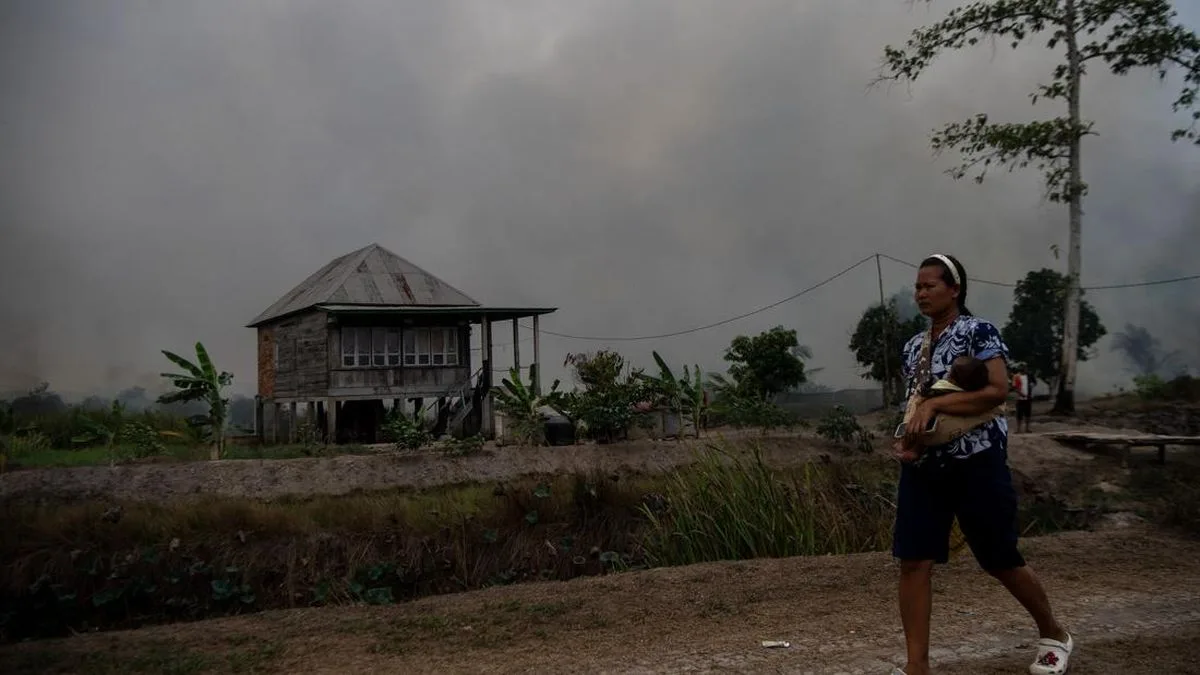
For Indonesia, its position as one of the most affected countries demands serious attention. As a tropical nation with a large population and an agricultural sector dependent on seasonal patterns, the combination of extreme heat, drought, and food supply disruptions could trigger health and economic crises. The government needs to accelerate adaptation, including strengthening early warning systems, preparing health facilities for a surge in heat stress cases, and protecting farmers and informal workers from excessive heat exposure.
The report will be submitted to a peer-reviewed journal, but Greenstone considers withholding publication irresponsible given the urgency of the situation. He hopes the heat death projections can trigger preventive action, just as crop failure forecasts have already been used for early warnings.
With El Niño predicted to keep raising temperatures through mid-2027, the question is no longer whether these impacts will occur, but how prepared Indonesia and other vulnerable countries are to protect their citizens from deadly heat.